Unlock the Power of Haritaki: Ancient Super Herb for Longevity, Radiance & Mind Clarity
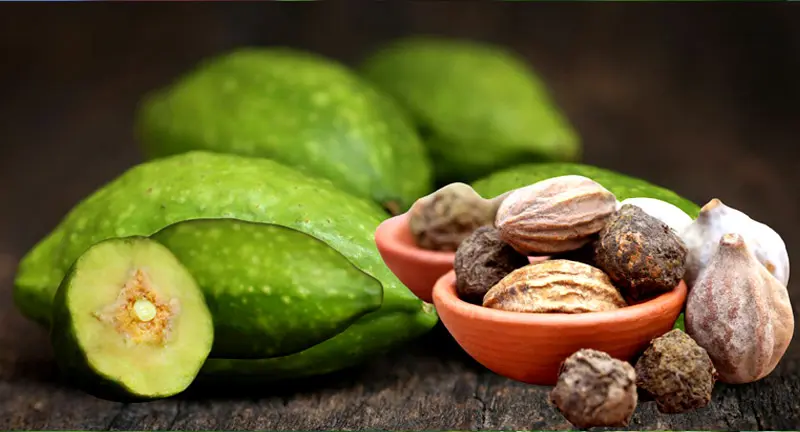
Haritaki (Terminalia chebula), often called the “King of Medicines” in Ayurveda, is an ancient herb known for its powerful health, beauty, and spiritual benefits. It supports digestion, boosts immunity, enhances skin and hair, and promotes mental clarity. Widely used in Triphala, Haritaki also holds deep spiritual significance for meditation and higher consciousness.
Introduction to Haritaki
Haritaki, known scientifically as Terminalia chebula, is a small yet mighty fruit that has been treasured for centuries in Ayurveda, the ancient Indian system of medicine. Often called the “King of Medicines,” Haritaki is considered one of the most powerful herbs in the world of holistic healing. Its Sanskrit name, Haritaki, is derived from “Hari,” meaning Lord Shiva, and “taki,” which translates to “that which cleanses.” This alone speaks volumes about its sacred and therapeutic value.
Haritaki is recognized in Ayurveda as a Rasayana, or revitalizing plant that increases longevity, vigor, and spiritual clarity. According to ancient Ayurvedic literature, it may balance the three doshas (Vata, Pitta, and Kapha), making it one of the few plants having universal applications. Aside from its health benefits, haritaki is highly regarded in spiritual traditions, particularly in Tibetan and yogic practices, where it is thought to promote deeper consciousness.
Nutritional and Phytochemical Composition of Haritaki
The power of Haritaki lies not just in ancient beliefs but also in its remarkable nutritional profile. This small fruit is packed with bioactive compounds that contribute to its healing capabilities.
Key Nutrients and Compounds
Haritaki contains essential vitamins such as vitamin C, which boosts immunity, and minerals like selenium, copper, and manganese, which are crucial for various metabolic functions. Its rich concentration of gallic acid, chebulagic acid, and ellagic acid gives it potent antibacterial and antifungal properties.
Antioxidants and Their Role
One of the most important aspects of Haritaki is its high antioxidant content. Antioxidants combat oxidative stress, a major factor behind aging, chronic diseases, and weakened immunity. Haritaki slows down aging and safeguards skin, essential organs, and even brain function by scavenging free radicals.
What makes Haritaki stand out is its unique combination of phytochemicals like flavonoids, polyphenols, and tannins. These compounds work synergistically to cleanse toxins from the body, promote cellular regeneration, and maintain balance in bodily systems. In short, Haritaki is a nutrient-dense powerhouse that nourishes both body and mind.
Medical & Affiliate Disclosure
This content is for informational purposes only and does not constitute medical advice. Always consult a qualified healthcare professional before using any herbal or natural remedies, as the results may depend on the specific area and individual. Some links in this article may be affiliate links, meaning we may earn a commission at no extra cost to you if you purchase them. It will help to improve the website.
Health Benefits of Haritaki
When it comes to health, Haritaki offers a vast spectrum of benefits. It’s no wonder ancient physicians called it the “remedy for all diseases.” Let’s look at some of its major contributions to human health:
Digestive Health and Detoxification
Although haritaki is frequently referred to as a natural laxative, its benefits extend well beyond relieving constipation. It improves nutrient absorption, clears the intestines of stored waste, and fortifies the digestive fire (Agni). In addition to maintaining gut health, this cleansing impact also avoids problems like indigestion, acidity, and bloating.
Regularly consuming Haritaki helps to eliminate ama, the toxic residue that results from poor digestion. Its moderate laxative qualities aid in colon cleansing and gastrointestinal system health maintenance, according to recent studies. Because of this, Triphala, a well-known Ayurvedic remedy for digestive health, frequently contains Haritaki.
Boosting Immunity
Haritaki greatly boosts immunity because of its high quantities of vitamin C and antioxidants. By strengthening the body’s defenses against infections, allergies, and even seasonal colds, it helps people stay healthy. It works well against dangerous bacteria because of its antimicrobial qualities.
In Ayurveda, Haritaki is seen as a preventive herb, one that gradually increases resilience. Haritaki provides the body with profound nourishment, which ensures long-term immunity, in contrast to contemporary medications that only address symptoms.
Haritaki for Respiratory Health
If you struggle with respiratory issues like asthma, cough, or sinus congestion, Haritaki can be a natural ally. It acts as an expectorant, clearing mucus from the lungs and airways. Its anti-inflammatory properties soothe irritation, making breathing easier.
Benefits for Cardiovascular Health
Haritaki promotes heart health by improving blood circulation, lowering bad cholesterol levels, and reducing oxidative stress in arteries. Its ability to regulate blood pressure makes it a valuable herb for cardiovascular wellness.
Haritaki and Weight Management
Struggling with stubborn weight? By increasing metabolism, decreasing fat storage, and reducing cravings, haritaki can be beneficial.
Its detoxifying effect also prevents water retention and bloating, which often contribute to weight gain.
In essence, Haritaki is not just a digestive tonic but a holistic health enhancer that supports multiple systems of the body simultaneously.
Haritaki for Beauty and Skin Care
Haritaki has been used for generations as a natural beauty enhancer in addition to its health benefits. Its detoxifying and antioxidant properties make it a secret weapon for glowing skin and healthy hair.
Skin Cleansing and Anti-Aging Effects
Haritaki is packed with antioxidants that combat free radicals responsible for premature aging. Regular use—whether consumed or applied as a paste—helps reduce wrinkles, fine lines, and age spots. It purifies the blood, ensuring that the skin receives nourishment from within, resulting in a natural glow.
Haritaki for Acne and Skin Conditions
Its antibacterial and antifungal nature makes Haritaki effective against acne, boils, and other skin infections. By cleansing toxins from the blood and balancing internal systems, it addresses the root cause of skin issues rather than just the surface symptoms.
Haritaki for Hair Growth and Scalp Health
In Ayurveda, Haritaki oil is often applied to the scalp to strengthen hair roots, prevent dandruff, and promote hair growth. Its nourishing compounds improve scalp circulation, making hair healthier and shinier.
Simply put, Haritaki is a holistic beauty tonic that works both inside and out, enhancing natural radiance while addressing common skin and hair concerns.
Spiritual and Mental Benefits of Haritaki
While most herbs are praised for their health and beauty benefits, Haritaki stands apart because of its spiritual significance. Yogis and spiritual practitioners have long used it to deepen meditation and expand consciousness.
Haritaki in Meditation and Spiritual Practices
In Tibetan Buddhism, Haritaki is called the “king of herbs” for its ability to awaken higher awareness. Yogis believe that Haritaki decalcifies the pineal gland—the “third eye”—enhancing intuition and spiritual vision.
Mental Clarity and Memory Enhancement
Modern science supports what Ayurveda has claimed for centuries: Haritaki sharpens the mind. Its neuroprotective compounds improve memory, focus, and concentration. Students and professionals alike can benefit from its brain-boosting effects.
Role in Balancing Chakras and Prana Energy
Haritaki is said to balance the flow of prana (life force energy) through the chakras. By cleansing the body and calming the mind, it creates the ideal environment for spiritual growth. Many practitioners use it before meditation or yoga to enter deeper states of consciousness.
In this way, Haritaki is not only a medicine for the body but also food for the soul.
Methods of Consuming Haritaki
The versatility of Haritaki lies not just in its benefits but also in the many ways it can be consumed. Depending on your health goals, it can be taken in different forms, each offering unique advantages.
Different Forms (Powder, Capsules, Decoction)
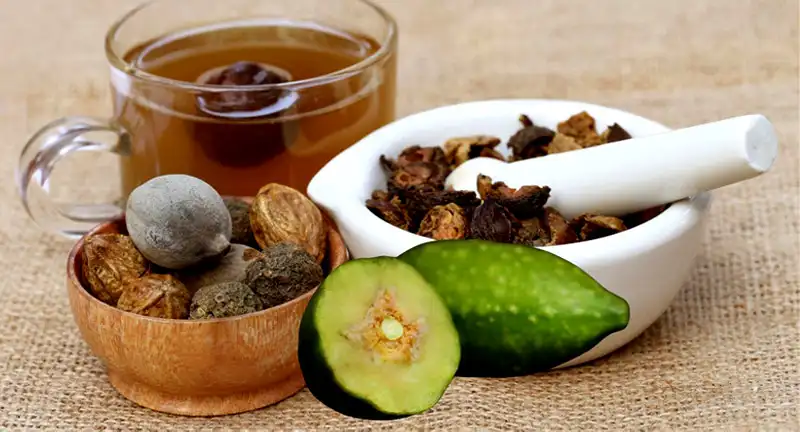
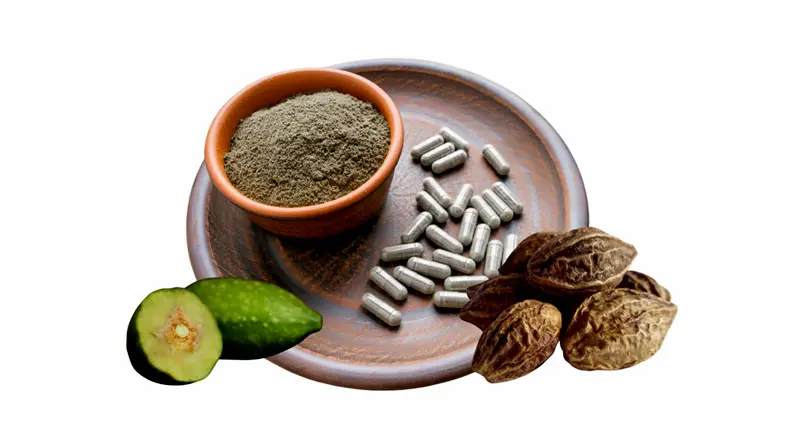
Haritaki is most commonly available in powder form, known as Haritaki Churna. This fine powder can be mixed with warm water, honey, or even ghee for various health benefits. Some prefer taking it with jaggery to balance its slightly bitter taste.
For convenience, many people opt for capsules or tablets, which provide a measured dose without the strong taste. Traditional methods also include preparing a decoction, where the fruit is boiled in water to extract its medicinal compounds.
Recommended Dosages and Timings
In Ayurveda, dosage depends on the individual’s dosha balance, age, and health condition. In general, it is advised to consume 1-3 grams of haritaki powder each day.Taking it before bedtime is common, as it works overnight to detoxify the body and improve digestion.
For respiratory benefits, Haritaki with honey is often advised, while for digestion, it can be taken with warm water. Ayurvedic consultation guarantees safe and efficient use.
Best Combinations with Other Herbs
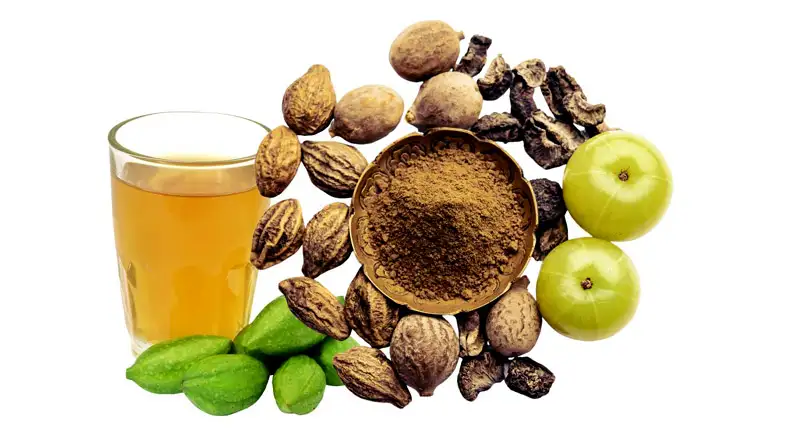
Haritaki is rarely used alone in Ayurveda. It’s most famously a part of Triphala, along with Amla (Indian gooseberry) and Bibhitaki. Together, these three herbs provide comprehensive cleansing and rejuvenation.
When combined with turmeric, Haritaki enhances anti-inflammatory properties, while mixing with ginger can amplify digestive support. Its synergy with other herbs makes it a versatile remedy adaptable to various health needs.
Possible Side Effects and Precautions
While Haritaki is generally safe, it’s not suitable for everyone. Awareness of precautions ensures that its benefits are harnessed without risk.
Who Should Avoid Haritaki?
- Pregnant and breastfeeding women should avoid Haritaki, as it may stimulate uterine contractions.
- People who are extremely weak, emaciated, or recovering from surgery should use caution.
- Those with excessive Vata imbalance (dryness, weakness, anxiety) should not consume it without professional guidance.
Safe Usage Guidelines
Moderation is crucial, just like with any plant. Abdominal pain, dehydration, or diarrhea might result from consuming too much Haritaki. It’s best to start with a low dosage and increase it gradually.
It’s also important to consume plenty of water, as Haritaki’s detoxifying effect can increase the elimination of toxins through urine and stool. Consulting a qualified Ayurvedic practitioner helps avoid misuse and ensures the herb is aligned with your body constitution.
Haritaki in Traditional Medicine Systems
Haritaki has held a sacred place not only in Ayurveda but also across several traditional medicine systems in Asia. Its global reputation reflects its universal healing properties.
Ayurveda and Unani Medicine Perspectives
Haritaki is classified as a Rasayana, or revitalizing plant, in Ayurveda. It’s described in ancient texts like Charaka Samhita and Sushruta Samhita as the “remedy for all diseases.” It’s believed to balance the three doshas-Vata, Pitta, and Kapha-making it universally beneficial.
Haritaki is known for its cleansing and digestive qualities in Unani medicine. It is used to maintain long-term vitality, increase endurance, and cleanse the body.
Tibetan and Siddha Medicine References
In Tibetan medicine, Haritaki is called the “Supreme Nectar,” often linked with longevity and spiritual awakening. Tibetan monks use it as part of their daily rituals, believing it sharpens meditation and enhances spiritual awareness.
Siddha medicine, another traditional South Indian system, also highlights Haritaki for its rejuvenating effects, particularly for respiratory health and immunity.
The presence of Haritaki across these diverse systems highlights its universal appeal as a healing fruit, deeply rooted in holistic traditions.
Modern Scientific Research on Haritaki
While traditional systems praised Haritaki for centuries, modern science is now catching up with evidence-based validation of its benefits.
Recent Studies and Findings
Strong antiviral, antifungal, and antibacterial qualities have been discovered in haritaki. Studies indicate it can help manage conditions like diabetes by regulating blood sugar levels and supporting pancreatic function.
Its anti-inflammatory effects have been studied for arthritis and other chronic inflammatory conditions. Additionally, Haritaki’s neuroprotective compounds are being investigated for potential roles in preventing memory loss and neurodegenerative diseases.
Clinical Applications in Modern Healthcare
Modern herbal medicine now includes Haritaki in supplements for digestion, immunity, and detoxification. Researchers are also exploring its potential in cancer prevention due to its antioxidant-rich profile.
With ongoing studies, Haritaki is steadily transitioning from ancient remedy to modern superfood, bridging tradition and science.
Another well-known Ayurvedic herb for supporting kidney and liver wellness is Phyllanthus Niruri, which has long been used in traditional herbal medicine.
How to Incorporate Haritaki in Daily Life
Knowing about Haritaki’s benefits is one thing, but actually incorporating it into everyday life makes the real difference.
Dietary Uses
- Before going to bed, take a spoonful of haritaki powder with warm water to aid with detoxifying and digestion.
- Mixing it with honey creates a natural immunity booster.
- Adding it to herbal teas can aid respiratory wellness.
Beauty Routines
- A Haritaki face mask (mixed with rose water) helps cleanse and brighten skin.
- Applying Haritaki oil to the scalp nourishes roots and prevents dandruff.
Spiritual Rituals
For those on a spiritual journey, consuming Haritaki before meditation is believed to enhance concentration and clarity. Some yogic traditions also recommend using it as part of cleansing rituals before deep spiritual practices.
Haritaki is a timeless herb for contemporary living since it may be easily incorporated into daily life for purposes of health, beauty, or spiritual development.
Myths and Facts about Haritaki
Throughout history, Haritaki has been surrounded by both reverence and misconceptions. Let’s clear the air:
Myth: Haritaki is only for digestion.
Fact: Haritaki is a powerful digestive aid, but it also has positive effects on the skin, hair, heart, immunity, and even spiritual clarity.
- Myth: Haritaki works instantly.
Fact: Like most natural remedies, Haritaki works gradually by cleansing and restoring balance to the body. Its results may take weeks but are long-lasting.
Myth: Haritaki is unsafe for everyone.
Fact: When consumed in the recommended dosage, haritaki is typically safe for most adults.
Issues only arise from overuse or when consumed by those with contraindications (e.g., pregnancy).
By separating myths from facts, we can truly appreciate the power of Haritaki without fear or over-expectation.
Haritaki and Longevity
Haritaki’s association with lifespan is among its most intriguing features.Ancient Ayurvedic sages described it as a “life-giving fruit” that supports vitality and prevents premature aging.
Role in Healthy Aging
Its high antioxidant content combats oxidative stress, which is a leading cause of aging. Using Haritaki on a regular basis maintains the body strong, the mind clear, and the skin looking young.
Ancient Beliefs About Immortality
In Tibetan medicine, Haritaki is often associated with divine nectar-the elixir of immortality. Monks and yogis believed that regular consumption could extend life span and enhance spiritual awakening.
While immortality may be symbolic, Haritaki undeniably promotes healthy, graceful aging, allowing individuals to live longer with vitality and purpose.
Comparison with Other Herbs
Haritaki vs. Triphala
Triphala is a combination of three fruits: Haritaki, Amla, and Bibhitaki. While Triphala offers a balanced approach to digestion and detox, Haritaki alone is more potent for cleansing and rejuvenation.
Haritaki vs. Amla and Bibhitaki
- Amla is rich in vitamin C and mainly supports immunity and skin health.
- Bibhitaki is known for respiratory wellness and detoxification.
- Haritaki stands out for its broad-spectrum effects, influencing digestion, beauty, immunity, and spirituality.
Together, the three create synergy in Triphala, but Haritaki shines as the most spiritually significant of the trio.
Source and references:NCBI / PubMed- Comprehensive Review on Haritaki
Conclusion
Haritaki is more than just an herb-it’s a timeless treasure of holistic wellness. From supporting digestion and immunity to enhancing beauty and promoting spiritual clarity, this “King of Medicines” has rightfully earned its title.
Its ability to balance the three doshas makes it universally applicable, while modern research continues to confirm what Ayurveda knew for centuries. Whether consumed as powder, capsules, or used externally, Haritaki has a place in every wellness journey.
Since Haritaki is traditionally used to support natural detoxification, you may also be interested in our guide on Milk Thistle for Liver Health and Detox Support.
FAQs
- What is the best way to consume Haritaki daily?
The most common way is taking 1–3 grams of Haritaki powder with warm water at bedtime. For convenience, capsules or tablets are also effective. Always start with small doses. - Can Haritaki help with anxiety and stress?
Yes. Haritaki is known for its ability to calm the mind, improve mental clarity, and support emotional balance, making it beneficial for stress and mild anxiety. - Is Haritaki safe for pregnant women?
No. Pregnant and breastfeeding women should avoid Haritaki, as it may cause uterine contractions and other complications. - How long does it take to see results from Haritaki?
Results vary depending on individual health conditions, but noticeable improvements in digestion and energy levels are often seen within 2–3 weeks of consistent use.
5. Can Haritaki be used externally on skin and hair?
Yes. While haritaki oil is great for hydrating the scalp and encouraging hair development, haritaki paste can be applied to skin that is prone to acne.