Betel Leaves (Piper betle): Green Gold of Tradition, Culture, and Medicine
Betel leaves (Piper betle) are heart-shaped, aromatic leaves widely used in traditional medicine and cultural rituals across Asia. Rich in antioxidants, essential oils, and bioactive compounds, they help improve digestion, boost oral health, support respiratory wellness, reduce inflammation, and promote wound healing.
Introduction
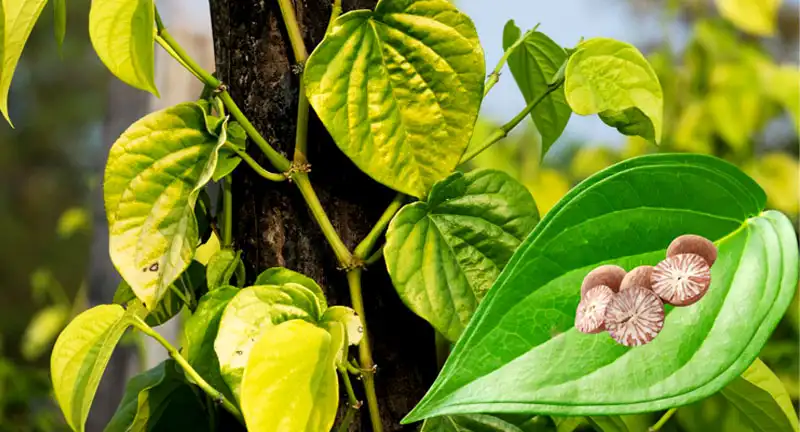
One of Asia’s most beloved and useful plants, betel leaves (Piper betle) are prized for their glossy, heart-shaped beauty, therapeutic properties, and cultural significance. These evergreen leaves, which belong to the Piperaceae family of peppers and have been a part of human history for more than 2,500 years, are frequently referred to as “Green Gold.”
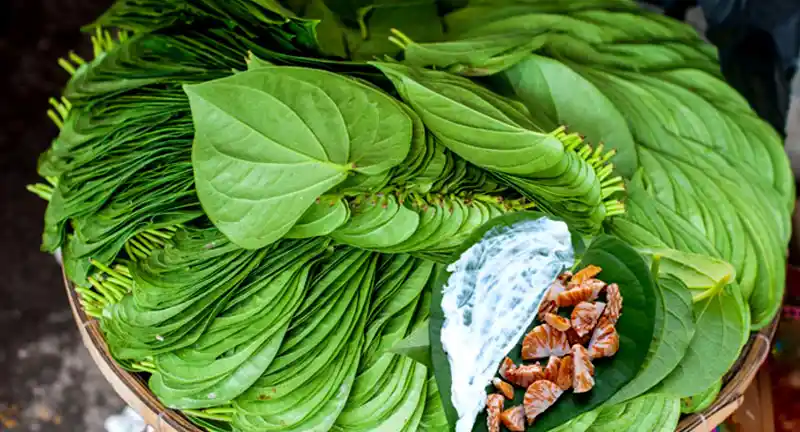
Betel leaves are different in origin and content from betel nuts, which are the fruit of the areca palm. The leaves themselves have many therapeutic, cultural, and culinary uses, but betel quid-a concoction of betel leaf, areca nut, lime, and occasionally tobacco-is linked to negative health effects.
There are over 100 types of betel vines worldwide, with approximately 40 flourishing in India. They remain an important element of Ayurveda, traditional Southeast Asian medicine, religious rites, and daily living.
This comprehensive guide explores the origin, history, cultivation, nutritional profile, medicinal uses, cultural importance, scientific research, economic value, risks, and future potential of betel leaves.
Medical & Affiliate Disclosure
This content is for informational purposes only and does not constitute medical advice. Always consult a qualified healthcare professional before using any herbal or natural remedies, as the results may depend on the specific area and individual. Some links in this article may be affiliate links, meaning we may earn a commission at no extra cost to you if you purchase them. It will help to improve the website.
Origin and Historical Background
Etymology
The term betel originates from the Malayalam/Tamil word “vettila”, which was adopted by Portuguese traders and eventually entered English usage.
Native Range
This leaves are native to Southeast Asia. Their natural habitat stretches across:
- India and Sri Lanka
- Malaysia and Indonesia
- Philippines
- Thailand, Vietnam, Laos, Cambodia, and Myanmar
- Timor-Leste and Papua New Guinea
From these regions, cultivation spread across Asia and Africa through Austronesian migrations and maritime trade. During the colonial era, Indian indentured laborers carried betel culture to the Caribbean, Mauritius, and Madagascar.
Ancient Usage
- In India, references to betel leaves go back to 400 BC, appearing in Ayurvedic texts such as Charaka Samhita, Sushruta Samhita, and Kashyapa Bhojanakalpa.
- Between 75–300 AD, chewing betel after meals became customary for digestion and breath freshening.
- Archaeological finds in the Philippines reveal betel chewing practices dating back 5,000 years, where areca nut and lime were combined with leaves.
Over centuries, betel evolved into a symbol of hospitality, health, and cultural identity across Asia.
Botanical Description
- Family: Piperaceae (Pepper family)
- Species: Piper betle
- Type: Evergreen, perennial, dioecious climber
- Leaves: Glossy, heart-shaped, 8–12 cm long, aromatic, peppery flavor
- Flowers: Small white catkins, unisexual
- Growth: Requires support (trees, poles, or trellises)
Betel vines grow vigorously in warm, humid regions, thriving under shade and frequent irrigation.
Cultivation of Betel Leaves
Soil and Climate Requirements
- Soil: Fertile, well-drained loam with good organic matter.
- Climate: Tropical to subtropical, warm temperatures, and high humidity.
- Shade: Betel thrives in partial shade rather than direct sunlight.
- Irrigation: Requires frequent, light watering; waterlogging damages roots.
Cultivation Practices
In Bangladesh, farmers develop special gardens called barouj:
- Enclosed with bamboo fencing for shade and protection.
- Soil enriched with cow dung, ash, and organic matter.
- Cuttings planted at the start of the monsoon.
- Regular irrigation and organic supplements used for growth.
Within 3-6 months, vines reach 1.5-2 meters, and harvesting begins. Leaves are carefully plucked to avoid damaging the vines, with harvesting continuing for 2–3 years.
Global Production
India, Bangladesh, Sri Lanka, Myanmar, and Thailand are leading producers. India alone accounts for millions of betel leaf consumers, making it an important cash crop in rural economies.
Nutritional Value of This Leaves
Though small in size, betel leaves pack a punch of nutrients and bioactive compounds.
Nutritional Composition (per 100 g of fresh leaves):
- Water: 85–90%
- Protein: 3–3.5%
- Fat: 0.4–1%
- Fiber: 2.3%
- Carbohydrate: 0.5–6.1%
- Minerals: 2.3–3.3%
- Potassium: 1.1–4.6%
- Calcium: 0.2–0.5%
- Vitamin C: 0.005–0.01%
- Essential Oil: 0.08–0.2%
Bioactive Compounds
Betel leaves contain chavibetol, hydroxychavicol, eugenol, and flavonoids, which give them antioxidant, antimicrobial, and anti-inflammatory properties.
Medicinal Properties of Betel Leaves
Traditional medicine and modern research highlight the diverse therapeutic potential of this leaves.
Core Medicinal Properties
- Antioxidant – reduces oxidative stress
- Antibacterial & antifungal – fights infections
- Anti-inflammatory – reduces swelling and pain
- Wound healing – accelerates tissue repair
- Analgesic – relieves headaches and muscular pain
- Gastroprotective – prevents gastric ulcers
Expectorant-aids respiratory health
Neem is another plant deeply connected with Indian traditional practices, although its traditional applications and botanical characteristics are different from those of betel leaves.
Health Benefits of Betel Leaves
1. Digestive Aid
Like Ginger, betel leaves have a long history of use in traditional practices, particularly in preparations traditionally associated with digestion and after-meal wellness.Chewing this leaves stimulates saliva, gastric juices, and digestive enzymes, improving digestion and reducing bloating.
2. Relief from Headaches
Due to their cooling and analgesic nature, crushed betel leaves are applied to the forehead for tension headaches and migraines.
3. Oral Health and Hygiene
- Used as a natural mouthwash.
- prevents gum disease and foul breath by fighting against microorganisms.
- Red betel leaf extract is studied as an antibacterial rinse.
4. Anti-Fungal Protection
Hydroxychavicol in betel leaves slows the growth of fungi, making them useful against skin and oral fungal infections.
5. Gastric Ulcer Protection
Animal studies show betel leaf extracts increase mucus production in the stomach while reducing acidity, protecting against ulcers.
6. Diabetes Management
Research on diabetic rats indicates betel leaves may lower blood glucose levels, suggesting potential benefits in managing type 2 diabetes.
7. Allergy Relief
Lab studies suggest betel leaf extracts reduce histamine-triggering substances that cause allergic reactions.
8. Wound Healing
Crushed betel leaves applied to wounds promote faster epithelialization, helping cuts and burns heal more effectively.
9. Relief from Constipation
Traditional use involves betel stalk suppositories (with castor oil) to stimulate bowel movement.
10. Respiratory Benefits
This leaves are used in Ayurveda to treat cough, cold, asthma, and bronchitis due to their expectorant and antimicrobial action.
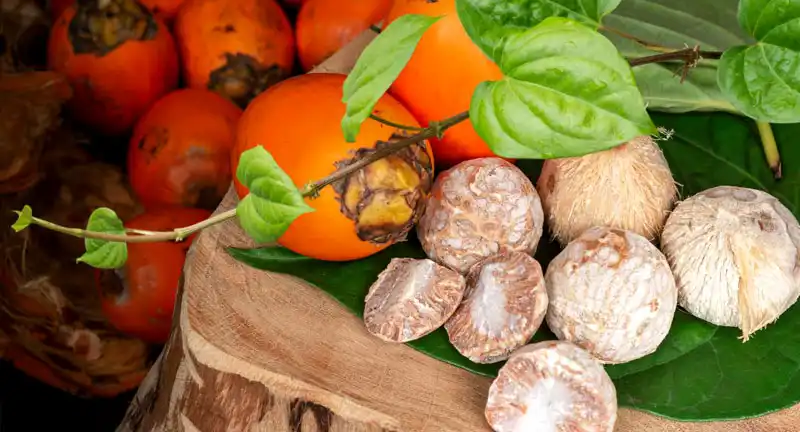
Betel Leaves in Ayurveda and Traditional Medicine
Ayurveda
- Known as “Tambula” in Sanskrit.
- Used for digestion, respiratory health, oral hygiene, and wound healing.
- Combined with honey and turmeric for cough relief.
Unani Medicine
This leaves are prescribed for headaches, infections, and digestive problems.
Chinese Medicine
Promoted historically for vitality, digestive balance, and treatment of respiratory disorders.
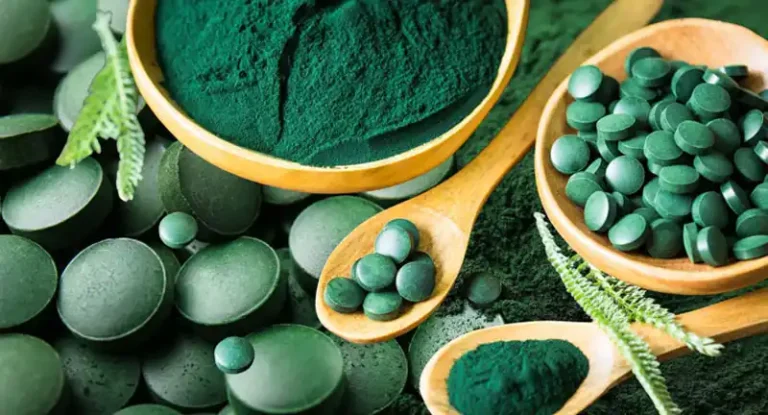
If you’re looking for another nutrient-dense superfood, read our guide on Spirulina Powder bnenefits.
Culinary Uses of Betel Leaves
- Paan (India): Chewed after meals as a digestive aid (without tobacco for safe consumption).
- Thai Cuisine: Used in wraps such as miang kham, filled with peanuts, lime, and spices.
- Vietnamese Cuisine: This leaves are used to wrap spiced beef (bò lá lốt).
- Herbal Teas: Decoctions brewed for health benefits.
- Chutneys and Pickles: Ground into chutneys in South Indian households.
The peppery, aromatic flavor makes betel a versatile culinary herb.
Cultural and Religious Significance
India and Sri Lanka
- Offered during Hindu rituals, weddings, and festivals as a mark of respect.
- Brides in Bengali weddings cover their face with this leaves before meeting the groom.
Southeast Asia
- In the Philippines, betel chewing dates back 5,000 years.
- In Indonesia and Malaysia, betel is associated with hospitality.
Symbolism
This leaves symbolize purity, prosperity, and blessings, often exchanged during religious ceremonies and cultural milestones.
Betel leaves are traditionally used with various aromatic ingredients, and Cardamom is another spice valued in Indian cuisine for its distinctive flavor and long history of traditional use.
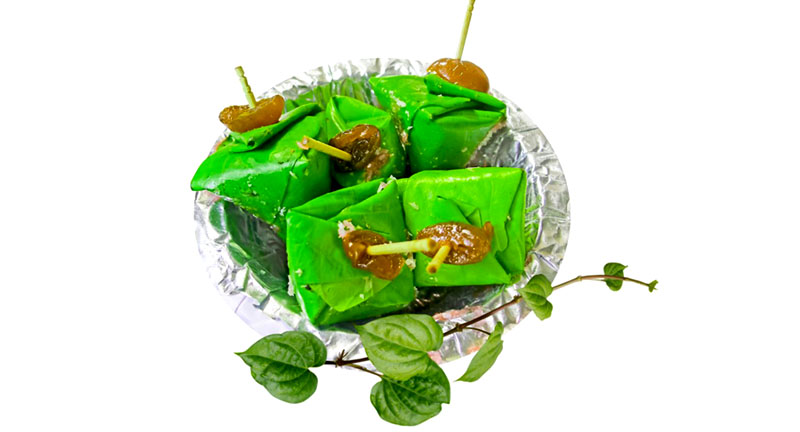
Modern Scientific Research
Recent studies validate traditional uses of this leaves:
- Antioxidant activity: Protects against oxidative stress-related diseases.
- Antimicrobial properties: Useful in developing herbal oral care products.
- Anti-cancer potential: Studies suggest extracts may inhibit tumor cell growth.
- Diabetes management: Extracts reduce blood sugar in animal models.
However, clinical trials on humans are still limited.
Risks and Side Effects
Safe vs. Unsafe Practices
- Safe: Consuming this leaves alone in moderation (tea, chutney, or mouth rinse).
- Unsafe: Chewing betel quid with areca nut and tobacco-proven carcinogenic, linked to oral and esophageal cancer, cardiovascular issues, and pregnancy complications.
WHO & IARC Position
Both the World Health Organization and the International Agency for Research on Cancer (IARC) classify areca nut chewing as carcinogenic to humans.
Thus, this leaves themselves are not harmful, but their cultural combination with harmful substances poses serious health risks.
Economic Importance
- Betel cultivation provides livelihood for millions of farmers in India, Bangladesh, and Southeast Asia.
- India exports betel leaves to the Middle East, Europe, and North America.
Betel farming supports rural economies, especially in West Bengal, Odisha, and Andhra Pradesh.
Environmental and Agricultural Significance
- Betel cultivation enriches rural biodiversity.
- Sustainable farming practices improve soil fertility through organic manure.
Shade-grown cultivation supports intercropping systems.
Future Prospects
- Pharmaceutical Industry: Betel extracts could be developed into oral care, wound-healing, and anti-fungal drugs.
- Cosmetic Industry: Potential in skincare formulations due to antioxidant and antimicrobial properties.
- Functional Foods: Herbal teas, chutneys, and nutraceuticals featuring betel leaves.
Ongoing research may reveal more modern applications of this ancient plant.
Conclusion
Betel leaves (Piper betle) are more than just wrappers for paan-they are a symbol of tradition, health, and cultural continuity. For over two millennia, these glossy heart-shaped leaves have been part of religious rituals, medicinal systems, culinary delights, and social customs.
Rich in nutrients and bioactive compounds, betel leaves offer potential digestive, antibacterial, antifungal, wound-healing, and anti-inflammatory benefits. While modern healthcare discourages the harmful combination of betel leaf with areca nut and tobacco, the leaf itself remains safe and beneficial when used responsibly.
From the temples of India to the kitchens of Southeast Asia, betel leaves continue to embody the essence of Green Gold-a humble plant bridging the worlds of history, medicine, and modern science.
FAQs
- What are betel leaves used for?
Betel leaves are commonly used in traditional medicine, cultural rituals, and as a natural remedy for digestion, oral health, and wound healing. They are also used as a wrapper in chewing paan, although mixing them with areca nut or tobacco is harmful. - What are the health benefits of betel leaves?
Betel leaves may support digestion, boost metabolism, improve oral hygiene, fight infections, aid wound healing, and provide relief from cough, cold, and headaches. - Are betel leaves safe to eat?
Yes, fresh betel leaves are generally safe to eat in moderation and are even used in traditional remedies and culinary preparations. However, chewing betel leaves with areca nut or tobacco is unsafe and linked to cancer and other health risks. - What is the nutritional value of betel leaves?
Betel leaves are rich in water (85–90%), fiber, protein, calcium, potassium, and vitamin C. They also contain essential oils with antimicrobial and antioxidant properties. - Can betel leaves help with diabetes?
Some studies suggest betel leaves may help lower blood sugar levels and improve metabolism, but more research is needed. - Do betel leaves have cultural or religious importance?
Yes, betel leaves hold deep cultural significance in India, Sri Lanka, and Southeast Asia. They are offered in weddings, festivals, and rituals as a symbol of respect, prosperity, and auspicious beginnings. - How can betel leaves be used for home remedies?
Betel leaves can be chewed raw, boiled in water for herbal tea, applied as a paste for wound healing, or used in steam inhalation for cough and congestion relief.
8. What are the side effects of chewing betel leaves with Tobacco?
Chewing betel quid (betel leaf with tobacco) can cause oral cancer, gum damage, heart disease, and pregnancy complications. The harmful effects come from areca nut and tobacco, not the betel leaf itself.