Halim (Garden Cress) Seeds: Ancient Superfood With Powerful Modern Health Benefits
Halim (Garden Cress) seeds are nutrient-rich superfoods packed with iron, fiber, omega-3, and protein. They support digestion, immunity, bone health, and women’s wellness.
What Are Halim (Garden Cress) Seeds?
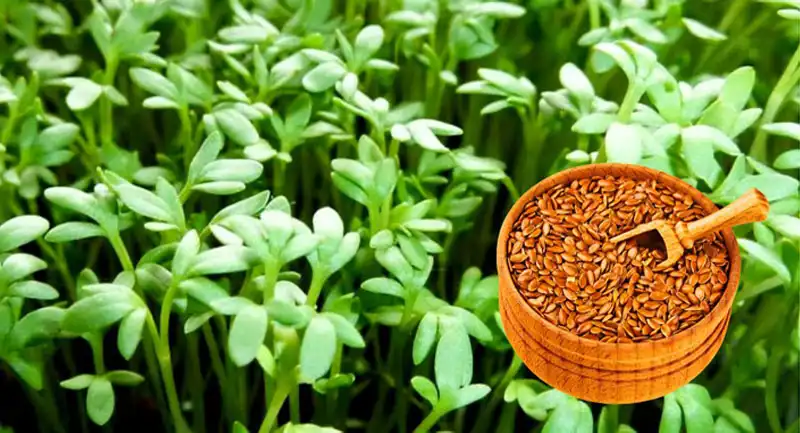
Halim seeds are the tiny reddish-brown seeds of Lepidium sativum, a spicy herb in the mustard family (Brassicaceae). They are also known as Aliv (Marathi), Asaliya/Asaliyo (Gujarati), Chandrashoor (Sanskrit/Hindi), and Garden Cress Seeds (English). The seeds have long been valued for their rich nutritional value and traditional medical use throughout South Asia and the Middle East, even if the tiny cress greens are popular as microgreens.
In many Indian homes, you’ll find aliv laddoos given after delivery, halim-milk tonics during monsoon, and halim water as a simple daily wellness drink. Modern nutrition research has also turned the spotlight on these seeds for their fiber, plant protein, and omega-3 (ALA) content.
Origin and History of Halim Seeds (Garden Cress Seeds)
Halim seeds come from the plant Lepidium sativum, An edible herb belonging to the Brassicaceae family of mustards that grows quickly. Although they are most well-known now in India, the Middle East, and some regions of Africa, their origins can be found in West Asia and the Mediterranean region thousands of years ago.
Ancient Cultivation
- Egypt: Archaeological records show that garden cress was known to the ancient Egyptians, who valued it for both culinary and medicinal purposes. It was likely grown along the fertile banks of the Nile.
- Persia & Middle East: From Egypt, garden cress spread eastward into Persia and the Arab world, where it became a traditional remedy for respiratory health, digestion, and women’s wellness.
India: Through trade routes, the plant reached India several centuries ago. In Sanskrit texts, it is called Chandrashoor, and in Ayurveda, it has been described as a warming, nourishing seed. Over time, it became a staple in postpartum diets (Aliv laddoos) and home remedies.
Medical & Affiliate Disclosure
This content is for informational purposes only and does not constitute medical advice. Always consult a qualified healthcare professional before using any herbal or natural remedies, as the results may depend on the specific area and individual. Some links in this article may be affiliate links, meaning we may earn a commission at no extra cost to you if you purchase them. It will help to improve the website.
Traditional Systems of Medicine
- Ayurveda: Halim (Chandrashoor) is described as ushna virya (warming in nature), useful in Vata-Kapha disorders, and supportive for digestion, lactation, and joint strength.
- Unani medicine: Known as Asaliya, the seeds are considered beneficial for respiratory conditions, skin health, and libido.
Folk medicine worldwide: Used for cough relief, anemia, energy, and bone strength.
Modern Rediscovery
Halim seeds are currently sold all over the world as a functional food after being rediscovered as a nutrient powerhouse in the past 20 years. They are popular among health-conscious people, particularly in India, Europe, and North America, since nutritionists emphasize their iron, protein, fiber, and omega-3 fatty acids.
Modern Rediscovery
Halim seeds are currently sold all over the world as a functional food after being rediscovered as a nutrient powerhouse in the past 20 years. They are popular among health-conscious people, particularly in India, Europe, and North America, since nutritionists emphasize their iron, protein, fiber, and omega-3 fatty acids.
How Halim Seeds Work in the Body
- Fiber & Mucilage: The soluble fiber swells with water to form a gel that can soften stools, support regularity, and slow the absorption of sugars-useful for gut comfort and glycemic control.
- Omega-3 (ALA): The plant omega-3 that the body can convert to EPA/DHA in trace amounts is called ALA. ALA supports metabolic and cardiac health.
- Iron & Minerals: Energy and oxygen transfer are supported by iron. Calcium and magnesium help to maintain bones, muscles, and nerves.
- Glucosinolates & Polyphenols: Compounds typical of the mustard family with antioxidant and cell-protective roles.
Protein: Supports tissue repair, helps maintain lean mass during weight management, and improves satiety when paired with fiber.
Top Medicinal Benefits of Halim Seeds
Quick disclaimer: Food is not medicine, but nutrient-dense foods like halim can complement medical care. If you have a health condition or take medicines, speak with your healthcare provider before starting regular use.
Iron-Status Support (Energy & Hemoglobin)
Because of their high iron content, halim seeds are praised. When carefully combined with foods high in vitamin C (lemon, amla, and citrus), they may help maintain normal iron levels and fight off fatigue brought on by low iron. Treat halim as an adjunct to recommended treatment rather than as a substitute for it if you have been diagnosed with anemia.
How to use: Soak 1–2 tsp seeds in warm water; add lemon for vitamin C to aid iron absorption.
Postpartum Nourishment & Lactation (Traditional)
Across parts of India, Aliv laddoos are a time-honored postpartum recipe. The trio of iron + good fats + warming spices provides energy and comfort during recovery. Some traditional systems also consider halim a galactagogue (supportive for milk supply), though scientific evidence is limited.
Caution: Always discuss postpartum herbs/seeds with a qualified professional, especially if you or the baby have any medical issues.
Menstrual Wellness & Cycle Comfort (Traditional)
In folk and Ayurvedic practices, halim is used around menstruation for strength and warmth. The mineral density and gentle stimulation of digestion may improve overall comfort.
Bone & Joint Support
With calcium, magnesium, and phosphorus, halim can complement an overall bone-supportive diet—especially when combined with vitamin D, protein, movement, and sunlight exposure.
Digestive Health & Regularity
The mucilage helps soften stools, making halim a simple home remedy for occasional constipation. It can also soothe the gut lining, supporting comfort during minor digestive upsets.
Tip: Always pair halim with adequate water-that’s how the fiber does its job.
Blood Sugar Support
Soluble fiber slows carbohydrate absorption, which may help smooth post-meal spikes. Small servings of halim as part of balanced meals (protein + healthy fat + fiber) can support metabolic health.
Note: If you’re on diabetes medication, monitor sugars and talk to your clinician before daily use.
Heart & Lipid Wellness
ALA (omega-3) and fiber together support healthy lipids and cardiovascular balance. This effect is most meaningful as part of a broader diet rich in vegetables, legumes, nuts, seeds, and regular activity.
Skin, Hair & Nail Nutrition
Iron for circulation, protein for keratin structures, and minerals like zinc and magnesium make halim a nice beauty-from-within addition. While no seed can “cure” hair fall, halim can fill nutrition gaps that sometimes contribute to dull hair and brittle nails.
Immunity & Inflammation Balance
Phytonutrients (polyphenols, glucosinolates) plus foundational nutrients (iron, folate, magnesium) support immune function and cell protection.
Weight-Management Ally
High satiety (fiber + protein + healthy fats) means smaller halim servings can keep you fuller for longer, reducing random snacking. Pair with a protein-rich breakfast or include in evening snacks.
Respiratory Comfort (Traditional)
In some households, halim is taken with warm water, honey, and ginger during seasonal sniffles. The warming nature (per Ayurveda) and mucilage are thought to soothe the throat.
Women’s Wellness Across Life Stages
From adolescence (period comfort) to postpartum nourishment and perimenopause (steady energy), halim’s nutrient profile can be a consistent ally-always tailored to one’s health status and medical guidance.
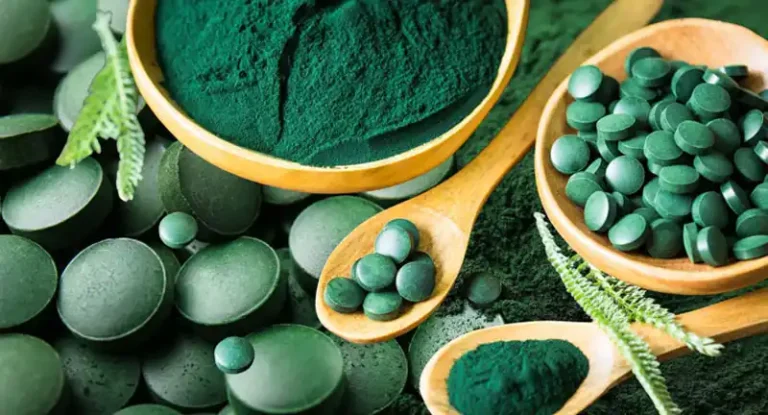
If you’re looking for another nutrient-dense superfood,you may also enjoy our guide on Spirulina Powder Benefits.
Source and references : NDTV Health-Halim Seeds Nutrition & Benefits
How to Use Halim Seeds (Dosage, Soaking & Preparation)
Recommended Daily Amount
- Beginner/General wellness: 1 teaspoon (3–5 g) daily, soaked.
- Experienced users: Up to 2 teaspoons (6–10 g) daily, split in two doses.
- You don’t need large amounts; halim is potent. Consistency matters more than quantity.
Why Soak?
- Softens the seed and activates mucilage, improving digestibility.
- Reduces compounds that may be gassy for some people.
- Enhances texture (pleasant gel) for drinks and porridges.
Method: Rinse briefly. Soak in warm water (1:6–1:8 ratio) for 20–60 minutes. Use immediately or within the day (refrigerate if needed).
Other Prep Options
- Lightly dry-roast and powder: sprinkle into curd, raita, salads, soups, rotis, or dals.
- Blend into smoothies (after soaking).
- Boil for porridges and kheer.
- Fold into laddoos or energy bars.
Ideal Pairings
- Vitamin-C sources (lemon, amla) for iron absorption
- Warm spices (ginger, cinnamon, cardamom) for flavor and digestibility
- Healthy fats (ghee, coconut, nuts) for satiety and tradition-backed recipes
Protein (milk, curd, soy, pulses) for a complete snack or mini-meal
Easy Halim Recipes (Tried-and-True)
Classic Halim Water (Nimbu-Halim Sherbet)
- Ingredients: 1 tsp soaked halim, 200 ml warm water, 1-2 tsp lemon juice, optional honey/jaggery to taste, pinch of black salt.
- Steps: Mix and sip slowly.
- Why it works: Hydration + vitamin C for iron absorption + soothing mucilage.
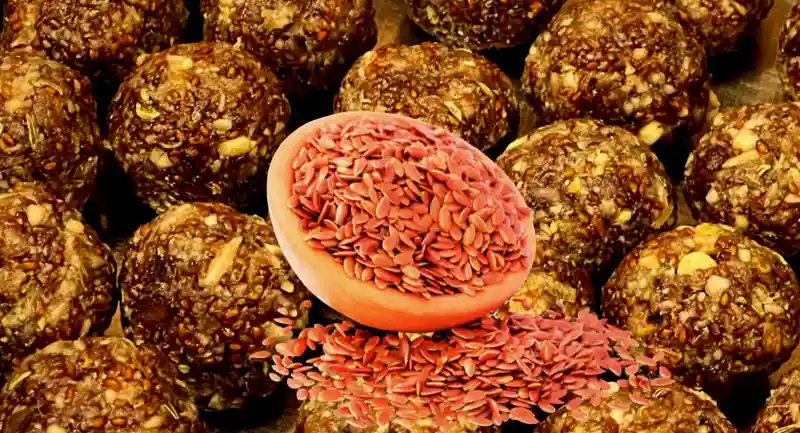
Aliv Laddoos (Postpartum Favorite, Great Snack for All)
- Ingredients (12–14 laddoos):
- ½ cup halim, soaked
- 1 cup jaggery (grated)
- 1 cup roasted whole wheat flour or multigrain atta
- ¼–⅓ cup ghee
- 2–3 tbsp chopped nuts & seeds (almonds, sesame)
- ½ tsp dry ginger powder, ½ tsp cardamom powder
- Steps:
- Warm ghee, add atta; roast to a nutty aroma.
- Add jaggery; melt gently.
- Add the spices and soaked halim, then fold in the nuts.
- Shape laddoos while warm; cool and store airtight.
- Portion: One laddoo with herbal tea or milk as a snack.
Halim Kheer (Comforting Dessert)
- Ingredients: 2 tbsp soaked halim, 500 ml milk (or fortified plant milk), 1–2 tbsp jaggery or dates, cardamom, saffron (optional), chopped nuts.
- Steps: Simmer milk 10–12 minutes; add soaked halim and cook 5–7 minutes till lightly thick. Sweeten and finish with cardamom/saffron.
- Tip: Add 1 tablespoon of milk powder or nut powder and stir to add more protein.
Savory Halim Porridge
- Ingredients: 1 tbsp halim, 1½ cups water/stock, onions, tomatoes, green chilies, cumin, ginger, veggies of choice, salt.
- Steps: Sauté spices and veggies, add water and halim, simmer till soft. Finish with lemon and coriander.
- Use: A light dinner or gut-friendly breakfast.
Halim-Yogurt Bowl
- Ingredients: Cucumber, mint, roasted cumin, black pepper, salt, ½ cup curd, and 1 tsp soaked halim.
- Steps: Mix and serve chilled.
Great for: Hydration, digestion, and a high-protein snack throughout the summer.
Who Should Avoid Halim? Safety, Side Effects & Interactions
- Pregnancy: Traditionally considered uterine-stimulating in higher amounts. Avoid during pregnancy unless a qualified clinician advises otherwise.
- Thyroid Concerns: As a mustard-family seed, halim contains goitrogenic compounds. Occasional small servings are typically fine for most people when cooked/soaked, but if you have thyroid disease, use sparingly and discuss with your doctor.
- Diabetes Medication: Because halim can influence post-meal sugars, those on glucose-lowering meds should monitor levels and consult their clinician to prevent hypoglycemia.
- GI Sensitivity: Large amounts without adequate water may cause bloating or gas. Start low, go slow, and always hydrate.
- Allergy/Intolerance: Rare, but discontinue if you notice itching, hives, or breathing trouble; seek medical care.
- Surgery/Anticoagulants: If you’re scheduled for surgery or on blood-thinning medication, check with your doctor before adding new seeds/supplements to your routine.
General rule: Food amounts are usually safe for most healthy adults. “Concentrated” use (daily and for weeks) should be personalized with professional input
Ayurvedic View (Chandrashoor / Asaliya)
In Ayurveda, garden cress seed is known as Chandrashoor or Asaliya.
- Rasa (taste): Pungent, slightly bitter
- Virya (potency): Ushna (warming)
- Guna (qualities): Light, sharp
- Doshic effect: Typically Kapha-reducing, may balance Vata when used with ghee and warming spices; can aggravate Pitta in excess.
Classical themes:
- Kindles Agni (digestive fire) when used judiciously
- Traditionally used for postpartum nourishment, respiratory comfort with honey/ginger, and joint support with ghee
Often paired with ajwain, dry ginger, or jeera to enhance digestibility
Buying, Quality & Storage Tips
- Look for: Clean, uniform, reddish-brown seeds without dust or stones.
- Aroma/Taste: Fresh, mildly peppery. Rancid or stale seeds smell off-avoid.
- Organic/Residue-tested: Prefer brands that share lab-testing or origin details.
- Small Batches: Seeds and their oils can go rancid-buy smaller packs if you’re a solo user.
- Storage: Airtight jar, cool and dark place. In warm/humid climates, keep in the refrigerator.
Shelf life: 6-9 months unopened; once opened, try to finish within 2-3 months for best flavor.
Halim seeds are now easily available everywhere and also available on online marketplaces. If you need, click here to get it.
The Bottom Line
Halim (garden cress) seeds contain ALA omega-3, iron, fiber, and plant protein, which makes them a wise addition to contemporary diets. They’re time-tested in Indian kitchens for postpartum nourishment, digestive support, iron-status, and satiety. For daily wellness, start with 1 teaspoon soaked, pair with vitamin C, and be consistent. If you’re pregnant, have thyroid disease, or take diabetes or blood-thinning medication, seek personalized advice before regular use.
Used wisely, these tiny seeds can deliver big benefits.Halim seeds are one of many medicinal plants used in traditional herbal practices. Learn more in our Amazing Herbal Plants Guide.
Frequently Asked Questions (FAQ)
Q1. Are halim seeds and chia/flax the same?
No. All are seeds rich in fiber and ALA, but halim is Lepidium sativum, flax is Linum usitatissimum, and chia is Salvia hispanica. Flavor, hydration behavior, and nutrients differ.
Q2. Can I take halim seeds daily?
For most healthy adults, 1 tsp daily (soaked) is a sensible starting point. Increase gradually if needed and if you tolerate them well.
Q3. Best time to take halim?
Morning with warm water and lemon (iron support), or early evening as a snack. Avoid very late at night if it feels too warming.
Q4. Do halim seeds help with hair fall?
They support hair health via iron, protein, and minerals, but hair fall has many causes. Think of halim as a nutritional ally, not a cure.
Q5. Can I use halim for weight loss?
Halim can improve satiety and reduce snacking. Sustainable weight change also needs overall diet quality, portions, movement, sleep, and stress care.
Q6. Are halim seeds safe in pregnancy?
Avoid unless your obstetrician explicitly approves. Traditionally, halim is used postpartum, not during pregnancy.
Q7. Do I need to soak halim?
Soaking is recommended for gut comfort and to activate mucilage. Roasting and powdering is another option, but still drink water with it.
Q8. Will halim affect my thyroid?
Mustard-family foods contain goitrogens. If you have thyroid disease, use small, occasional amounts and discuss with your doctor—especially if you take thyroid medication.
Q9. Can diabetics take halim?
Possibly, in small, consistent amounts with glucose monitoring and medical guidance, since fiber may blunt spikes. Never adjust medication without advice.
Q10. What’s the difference between halim and garden cress leaves?
Same plant; leaves are eaten as peppery microgreens. Seeds are more calorie-dense and traditionally used for tonics and laddoos.