Avarampoo (Avartaki) -A complete guide to Senna auriculata: plant profile, proven benefits, how to grow it, and where to buy
The Golden Blossom of Traditional Medicine
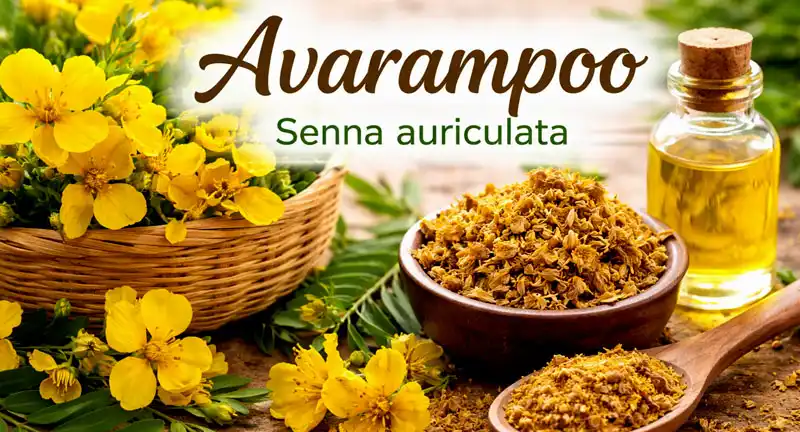
Avarampoo, also known as Avartaki in Ayurveda and botanically named Senna auriculata, is a golden-flowered shrub that grows naturally across dry regions of India and Sri Lanka. For centuries, this hardy plant has been treasured in Ayurvedic and Siddha medicine for its remarkable healing and rejuvenating properties.
From balancing blood sugar and improving liver function to promoting radiant skin, Avarampoo continues to be a symbol of natural wellness. In modern times, it’s gaining renewed recognition in herbal teas, skincare, and natural supplement industries, proving that ancient wisdom can still guide modern health.
In this article, let’s explore everything about Avarampoo-from its origin, plant profile, health and medicinal benefits, uses in traditional medicine, and preparation methods, to how you can use it safely today.
What is Avarampoo (Avartaki)? — The Botanical Identity
Scientific Name: Senna auriculata (formerly Cassia auriculata)
Family: Fabaceae (Legume family)
Common Names: Avarampoo (Tamil), Avartaki (Sanskrit), Ranawara (Sinhala), Tangedu (Telugu), Tarwar (Hindi), Tanner’s Cassia (English)
Avarampoo is a small perennial shrub that typically grows 1–2 meters tall. It’s easily identified by its bright yellow flowers, compound leaves, and brown flat pods containing small seeds.
The entire plant-flowers, leaves, roots, bark, and seeds-has medicinal value. The flowers are especially prized for their cooling, detoxifying, and blood-purifying properties.
Origin and Distribution of Avartaki
Avartaki is native to the Indian subcontinent, particularly widespread in the dry zones of Tamil Nadu, Andhra Pradesh, Karnataka, and Maharashtra. It thrives in semi-arid climates, growing well even in poor soils and low-rainfall regions.
Because of its resilience, the plant is commonly seen on roadsides, barren lands, and rocky areas, and is often cultivated as a fence or ornamental shrub for its golden blooms.
Over time, Avrtaki has spread beyond India to Sri Lanka, Myanmar, Pakistan, and parts of Africa and Southeast Asia, where it’s used in traditional medicine under different local names.
Avarampoo in Ancient Ayurvedic and Siddha Medicine
In the ancient medical systems of Ayurveda, Siddha, and Unani, Avarampoo has been recognized as a “tridosha balancing” herb-meaning it helps balance Vata, Pitta, and Kapha doshas.
Sanskrit and Ayurvedic References:
- In Ayurveda, Avarampoo (Avartaki) is classified as a Rasayana (rejuvenative)
- It’s mentioned in classical Ayurvedic texts such as the Bhavaprakasha Nighantu and Charaka Samhita, noted for treating diabetes (Madhumeha), skin diseases (Kushta), and urinary disorders (Mutrakrichra).
- It’s also believed to purify blood, improve complexion, and cool the body.
Siddha Medicine Use:
In Siddha tradition, Avarampoo is one of the most cherished herbs for women’s health and skin care. It is believed to:
- Promote a natural glow and fairness in the skin.
- Regulate menstrual cycles.
- Reduce excessive body heat.
- Support healthy urinary flow and kidney function.
Avarampoo is often included in herbal face packs, body powders, and cooling tonics, making it a multipurpose plant in daily rituals.
Like Avarampoo, Neem has a long history of use in traditional wellness practices; learn more about Neem’s traditional health benefits here.
Phytochemistry-Active Compounds in Senna auriculata
Modern phytochemical studies have identified several bioactive compounds responsible for Avarampoo’s healing power:
- Flavonoids: quercetin, kaempferol — powerful antioxidants.
- Tannins and phenolic compounds: help in detoxification and anti-inflammatory action.
- Saponins and glycosides: improve metabolic and liver health.
- Anthraquinones: promote mild laxative and digestive benefits.
- Terpenoids and sterols: contribute to antimicrobial and immune-supporting properties.
These compounds work together to make Avartaki a natural detoxifier, antioxidant, and metabolic regulator.
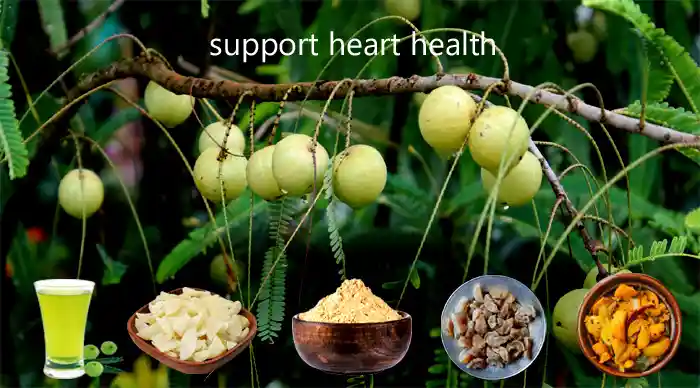
For another traditional Indian botanical with nutritional and wellness applications, explore the Amla health benefits guide.
Medicinal and Health Benefits of Avarampoo(Avartaki)
Let’s explore the scientifically supported and traditional benefits of this golden herb.
Regulates Blood Sugar Levels
Avartaki has a strong reputation as a natural antidiabetic herb. Its leaf and flower extracts are known to help regulate blood glucose levels by:
- Enhancing insulin sensitivity.
- Protecting pancreatic cells from oxidative stress.
- Supporting carbohydrate metabolism.
Regular consumption of Avarampoo tea or powder may help in maintaining healthy blood sugar balance, especially for people with early signs of diabetes or insulin resistance.
Promotes Liver Health and Detoxification
The liver plays a central role in detoxification and metabolism. Avartaki contains polyphenols and flavonoids that protect liver cells from toxins and oxidative damage.
Studies indicate that Senna auriculata extracts have hepatoprotective effects, supporting healthy enzyme activity and liver regeneration. This makes it a valuable herb for detox routines and post-medication recovery.
Supports Skin Health and Natural Glow
One of the most popular traditional uses of Avarampoo is for improving skin tone and texture. The flowers are rich in antioxidants that fight free radicals and purify the blood, helping prevent acne, blemishes, and dull skin.
In South Indian tradition, women used Avarampoo powder in their daily bath to:
- Cool the body.
- Remove excess oil and impurities.
- Maintain glowing, smooth skin naturally.
Modern beauty brands now include Avarampoo extract in face masks, soaps, and herbal scrubs for its natural brightening and anti-inflammatory qualities.
Avarampoo is traditionally valued for skin wellness, and other natural ingredients such as natural skin health remedies may also support a healthy skincare routine.
Improves Digestion and Relieves Constipation
The leaves and bark of Avarampoo(Avartaki) act as mild laxatives, promoting smooth bowel movement and improving digestion.
It also helps cleanse the digestive tract, prevent bloating, and relieve mild constipation-making it a safe herbal aid for digestive balance when used moderately.
Enhances Immunity and Fights Infections
Avarampoo’s antimicrobial and antibacterial activities are well documented. The plant’s extracts show inhibitory effects against common bacteria and fungi, supporting the immune system and reducing the risk of infections.
Drinking Avarampoo tea or using it in daily skincare helps keep internal and external infections at bay, thanks to its natural antiseptic properties.
Maintains Urinary Health and Kidney Function
Avartaki acts as a natural diuretic, helping flush out excess salts, toxins, and waste products from the kidneys and urinary system.
It helps manage urinary tract infections (UTIs) and burning sensations during urination, common in hot climates. Traditionally, it’s included in cooling tonics for maintaining urinary balance and hydration.
Supports Women’s Health
In Ayurveda and Siddha medicine, Avarampoo is considered beneficial for female reproductive health.
It is believed to:
- Regulate menstrual cycles naturally.
- Reduce menstrual cramps and body heat.
- Improve hormonal balance and fertility.
This is why many women’s herbal formulations and traditional beauty powders in South India include Avarampoo flowers.
Helps Manage Body Heat and Dehydration
In tropical climates, body heat and dehydration are common. Avarampoo is naturally cooling and hydrating, helping reduce excess Pitta (heat energy) in the body.
Drinking Avarampoo herbal tea or sharbat during summer helps maintain energy, reduces fatigue, and cools the system effectively.
How to Use Avartaki- Traditional and Modern Preparations
There are many safe and easy ways to include Avarampoo in daily life. Let’s look at traditional and modern methods.
Avarampoo Herbal Tea (Cooling Detox Drink)
Ingredients:
- 1–2 teaspoons dried Avarampoo flowers
- 1 cup hot water
- Optional: honey or lemon
Preparation:
Steep the flowers in hot water for 10–15 minutes, strain, and enjoy warm or chilled.
Benefits:
- Regulates blood sugar.
- Detoxifies liver and kidneys.
Reduces body heat and fatigue.
Avarampoo Face Pack for Glowing Skin
Ingredients:
- 2 tsp Avarampoo powder
- 1 tsp turmeric powder
- 2 tsp rose water or yogurt
Preparation:
Mix into a smooth paste and apply evenly on face and neck. Leave for 15 minutes, then rinse.
Benefits:
- Brightens complexion naturally.
- Prevents acne and blemishes.
- Reduces inflammation.
Avarampoo Bath Powder (Traditional Herbal Cleanser)
Traditionally, Avarampoo is mixed with other herbs like green gram, vetiver, turmeric, and rose petals to make a body-cleansing powder.
Used regularly, it:
- Keeps skin smooth and fragrant.
- Prevents prickly heat.
- Acts as a natural deodorant and coolant.
Avarampoo Seed and Leaf Decoction
Boil a handful of leaves or seeds in water for 10 minutes, cool, strain, and drink ¼ cup once daily.
Used for:
- Urinary problems
- Liver detox
- Fever reduction
Commercial Forms and Supplements
Today, Avartaki is available in:
- Powder form (for tea or skincare)
- Capsules or tablets (as herbal supplements)
- Liquid extracts or tonics
- Herbal soaps and creams
Always choose trusted brands that use pure Senna auriculata extracts and avoid synthetic additives.
Safety, Dosage, and Precautions
Avartaki is generally safe when used in moderate quantities. However, note the following precautions:
- Women who are nursing or pregnant should speak with their doctor before using this product.
- People on diabetes medication: Use cautiously, as it may lower blood sugar further.
- Avoid overuse of leaves: They have mild laxative effects due to anthraquinones.
- Always check botanical identity: Ensure it’s Senna auriculata, not Cassia angustifolia (common senna laxative).
Recommended use:
1 cup tea or 2–3 grams powder daily for general wellness.
Growing Avartaki at Home
Avarampoo is easy to cultivate in home gardens.
Soil: Well-drained sandy or loamy soil.
Sunlight: Full sun (6–8 hours daily).
Watering: Twice a week; drought-tolerant once established.
Propagation: By seeds or stem cuttings.
Harvest: Flowers bloom year-round; collect and dry them for herbal use.
It’s a beautiful, low-maintenance shrub that attracts pollinators and adds color to gardens — a perfect combination of beauty and utility.
Modern Research and Scientific Studies
Recent studies support many of the traditional uses of Avartaki:
- Antidiabetic activity: Shown to improve glucose metabolism and insulin response.
- Antioxidant potential: Protects liver, kidneys, and heart from oxidative stress.
- Antimicrobial properties: Effective against bacteria like coli and Staphylococcus aureus.
- Hepatoprotective effect: Aids liver recovery from toxins.
These findings confirm that Senna auriculata holds great potential as a functional medicinal herb, bridging ancient knowledge with modern science.
Where to Buy Avarampoo Products
Avarampoo products are widely available in India and online herbal stores worldwide:
- Amazon, Flipkart, and Ayurvedic shops sell Avarampoo powder, dried flowers, and capsules.
- Local herbal stores (in Tamil Nadu, Kerala, Sri Lanka) often sell pure dried flowers.
When buying online, look for organic, sun-dried, and chemical-free products.
Conclusion- Nature’s Gift for Whole-Body Wellness
Avartaki (Senna auriculata) is more than just a beautiful wildflower-it’s a heritage herb of India, carrying centuries of healing wisdom. From ancient Ayurvedic texts to modern herbal formulations, it remains one of nature’s most versatile remedies.
Whether you’re looking to regulate blood sugar, enhance skin glow, detoxify your liver, or simply cool your body naturally, Avarampoo offers a safe, gentle, and effective solution.
By integrating this golden flower into your daily routine-as a tea, skin pack, or supplement-you connect with the same natural healing energy that generations before us trusted.
Frequently Asked Questions (FAQ)
Q1. Can Avartaki cure diabetes?
No, it can’t cure diabetes but may help support healthy blood sugar when used alongside diet and medical guidance.
Q2. How often can I drink Avarampoo tea?
Once daily is ideal for general wellness and cooling benefits.
Q3. Is Avarampoo safe for children?
Mild tea or diluted preparations can be used externally for skin care, but internal use should be avoided for small children without medical advice.
Q4. Does Avarampoo lighten skin naturally?
It helps improve skin tone and brightness by cleansing blood and reducing inflammation — a gentle, natural method over time.
Q5. What is the best time to take Avarampoo tea?
Morning or early afternoon, especially in hot climates, for cooling and energizing effects.
Q6. Can men use Avarampoo?
Yes, it benefits both men and women — supports liver health, metabolism, and body cooling.
Q7. Can I mix Avarampoo with other herbs?
Yes. It blends well with turmeric, tulsi, neem, and hibiscus in teas or powders.