
Flax Seeds (Alsi): Ancient Superfood With Modern Healing Benefits
What Are Flax Seeds?
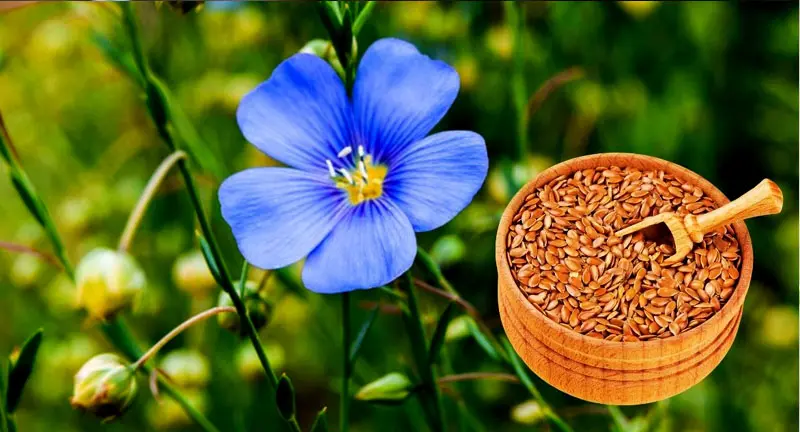
Flax seeds are tiny, oval-shaped, brown or golden seeds that come from the Linum usitatissimum plant. They are referred to as Alsi in Hindi, Avise Ginjalu in Telugu, and Ali Vidai in Tamil. They are members of the Linaceae family and are among the earliest crops ever farmed.
These small seeds pack a nutritional punch-rich in omega-3 fatty acids (ALA), fiber, lignans, and plant-based protein. Because of this impressive composition, flax seeds are considered one of the most powerful plant superfoods that support the heart, hormones, digestion, and skin.
Flax was utilized as a medicinal seed in addition to being consumed in ancient societies. According to Ayurveda, Alsi Beej is “Ushna Virya” (warming in potency) and “Balya” (strength-promoting), which are good for joint health, energy, and Vata diseases.
Due to its ability to promote heart health, hormonal balance, and digestive comfort, flax seeds are becoming more and more popular among health enthusiasts worldwide.
Medical & Affiliate Disclosure
This content is for informational purposes only and does not constitute medical advice. Always consult a qualified healthcare professional before using any herbal or natural remedies, as the results may depend on the specific area and individual. Some links in this article may be affiliate links, meaning we may earn a commission at no extra cost to you if you purchase them. It will help to improve the website.
Origin and History of Flax Seeds
Flax is one of the world’s oldest cultivated plants, with evidence of its use dating back over 6,000 years. Initially valued for its fibrous stalks used to make linen, flax later gained recognition for its nutritious seeds and healing oil.
Ancient Civilizations
- Egypt: Archaeological records reveal that flax was cultivated along the Nile River. Egyptians used flaxseed oil for embalming, cooking, and skincare, and linen cloth made from flax was considered a symbol of purity.
- Mesopotamia & Persia: Flax was valued as both food and medicine. Ancient healers prescribed flaxseed oil for inflammation, respiratory ailments, and constipation.
- Greece & Rome: Physicians like Hippocrates recommended flax for abdominal pain and digestive comfort. Romans used it to maintain clear skin and strong digestion.
- India: Through trade routes, flax reached India thousands of years ago. Ancient Ayurvedic texts mention Alsi Beej as a warming, nourishing seed beneficial for stamina, bone strength, and reproductive wellness.
As civilizations evolved, flax seeds continued to be cherished across continents for their medicinal and nutritional value. In modern times, they have made a comeback as a functional food, often recommended by dietitians and herbalists alike.
Nutritional Profile of Flax Seeds
Per tablespoon (10 g), flax seeds contain approximately:
- Calories: 55
- Protein: 2 g
- Fat: 4.5 g (majorly omega-3 ALA)
- Fiber: 2.8 g
- Carbohydrates: 3 g
- Iron, Magnesium, Phosphorus, B1 (Thiamine) and trace minerals
This combination makes flax an energy-dense, nutrient-rich seed that supports overall wellness.
Like Sesame Seeds and Oil, flax seeds provide healthy fats and other nutrients that can make them a useful addition to a balanced, plant-rich diet.
How Flax Seeds Work in the Body
The unique health benefits of flax seeds come from their bioactive compounds:
- Omega-3 Fatty Acids (ALA)
Alpha-linolenic acid (ALA) is a plant-based omega-3 essential fatty acid that reduces inflammation, supports cardiovascular health, and aids in maintaining healthy cholesterol levels.
- Lignans
Flax seeds contain the highest amount of lignans found in any plant source. Lignans are phytoestrogens that balance hormones, support breast and prostate health, and act as powerful antioxidants.
- Fiber (Soluble & Insoluble)
The mucilaginous fiber in flax helps regulate bowel movements, supports a healthy gut microbiome, and stabilizes blood sugar levels.
- Plant Protein
With all essential amino acids except lysine, flax provides a valuable source of plant protein for muscle repair, stamina, and tissue growth.
- Micronutrients
Flax seeds are rich in magnesium, phosphorus, and B-vitamins that contribute to energy metabolism, nerve function, and bone strength
Flax seeds can be combined with nutrient-rich foods such as Quinoa to add fiber, plant-based protein, healthy fats, and other nutrients to a balanced diet.
Top Medicinal Benefits of Flax Seeds
- Supports Heart Health
Flax seeds are one of the best plant-based sources of ALA omega-3 fatty acids, which help lower triglycerides and bad cholesterol (LDL) while improving good cholesterol (HDL). The combination of ALA and soluble fiber also helps maintain flexible arteries and reduces inflammation, lowering the risk of heart disease.
- Regulates Digestion & Relieves Constipation
The gel-like mucilage fiber in flax absorbs water, softens stool, and eases bowel movements. It also promotes the growth of good gut bacteria, helping to maintain a healthy digestive system.
Tip: Always drink plenty of water when taking flax seeds.
A healthy lifestyle may include fiber-rich foods such as flax seeds along with other commonly discussed natural wellness ingredients such as Apple Cider Vinegar.
- Balances Blood Sugar Levels
Flax slows down the release of glucose into the bloodstream, which helps prevent blood sugar spikes. For people with diabetes, flax can complement medical care and dietary management.
- Promotes Hormonal Balance
Lignans in flax mimic and modulate estrogen activity in the body. This can help relieve menstrual discomfort, support perimenopausal women, and promote hormonal harmony.
- Enhances Skin & Hair Health
The essential fatty acids and antioxidants nourish skin cells from within, promoting softness, hydration, and elasticity. Regular intake can help reduce dryness, flakiness, and dandruff while improving overall hair shine and texture.
- Aids Weight Management
Flax seeds provide high satiety due to their combination of fiber, fat, and protein. They reduce unnecessary snacking, control appetite, and support healthy metabolism when paired with a balanced diet.
- Strengthens Bones & Joints
Flax seeds provide magnesium, phosphorus, and calcium that help maintain bone density. The omega-3s also have anti-inflammatory effects that may reduce joint stiffness.
- Improves Immunity
Flax’s antioxidants and essential fats support immune defense and protect cells against oxidative stress, keeping the body resilient.
- Supports Detoxification
The fiber in flax acts like a natural cleanser, aiding the body in flushing out toxins and supporting liver function.
- Boosts Brain Health
ALA omega-3 contributes to better cognitive function, focus, and mood regulation. It’s especially beneficial for vegetarians and vegans who may lack fish-based omega-3 sources.
Source and references: Medical News Today-Flaxseed Health Benefits, Nutrition & Risks
Mayo Clinic – Flaxseed and Flaxseed Oil
Also, Mayo Clinic notes that ground flaxseed is generally easier to digest than whole flaxseed, which could be useful information for your article.
How to Use Flax Seeds (Dosage, Soaking & Preparation)
Recommended Daily Amount
- General wellness: 1–2 teaspoons (5–10 g)
- Therapeutic use: Up to 1–2 tablespoons (10–20 g) daily
Start small and gradually increase your intake. Overconsumption without enough water may cause bloating.
Why Grinding Is Important
Whole flax seeds often pass through the digestive system undigested. Grinding or powdering them ensures maximum nutrient absorption.
Soaking Benefits
Soaking flax seeds for 30–60 minutes helps release mucilage, improving digestibility and soothing the gut lining..
Best Ways to Consume Flax Seeds
- Morning drink: Mix 1 tsp flax powder in warm water with lemon juice.
- Smoothies: Add 1 tbsp flax to fruit or protein smoothies.
- Oatmeal & Porridge: Sprinkle on top for a nutty flavor.
- Roti & Baked Goods: Mix flax powder into dough or batter.
Flaxseed Oil: Use cold-pressed flax oil in salads or drizzled over cooked meals..
Delicious and Healthy Flax Recipes
- Flax Seed Water (Morning Detox)
Ingredients: 1 tsp ground flax, 1 cup warm water, few drops lemon juice, optional honey.
How to use: Stir and drink on an empty stomach.
Why it works: Boosts metabolism, supports digestion, and provides plant omega-3s.
- Flaxseed Laddoos (Energy Snack)
Ingredients:
- ½ cup flax seeds (roasted and powdered)
- 1 cup jaggery
- ½ cup ghee
- 1 cup roasted wheat flour
- ¼ cup chopped almonds
Steps: Roast flour in ghee, mix flax powder, melt jaggery, combine and shape laddoos.
Portion: 1 laddoo per day boosts stamina and iron.
- Flaxseed Chutney (Nutty Flavor)
Ingredients: Flax seeds, sesame, dry red chili, garlic, curry leaves, and salt.
Steps: Roast all, grind coarsely. Sprinkle on rice or dosa.
Why it works: Adds fiber, omega-3, and iron to your meals.
- Flaxseed Kheer
Ingredients: 2 tbsp soaked flax seeds, 500 ml milk, jaggery, cardamom, saffron, nuts.
Steps: Boil milk, add flax, simmer 10 min, sweeten, and serve warm.
Tip: Great for bone and skin nourishment.
Who Should Avoid or Limit Flax Seeds
- Pregnant Women: Moderate intake is usually safe, but excess should be avoided due to hormonal effects.
- Thyroid Patients: Flax contains goitrogens; occasional use is fine, but avoid overconsumption raw.
- People on Medications: Flax can interfere with blood thinners, diabetes, or hormonal medications. Consult a doctor before use.
- Digestive Sensitivity: Excess raw flax may cause gas or bloating. Always soak or grind and drink plenty of water.
✅ Normal dietary use is safe for most healthy adults when consumed in moderation.

Ayurvedic View (Alsi Beej)
In Ayurveda, flax seeds (Alsi Beej) are recognized as a warming, strengthening, and lubricating seed.
- Rasa (Taste): Madhura (sweet), Kashaya (astringent)
- Virya (Potency): Ushna (warming)
- Guna (Quality): Snigdha (unctuous), Guru (heavy)
- Effect on Doshas: Balances Vata and Pitta, may increase Kapha in excess
Traditional Uses
- As a tonic for stamina and reproductive health
- For lubricating joints and relieving Vata disorders
- In external oils for dry skin and scalp
Mixed with honey or ghee for cough and weakness
Buying, Quality & Storage Tips
- Choose organic, non-GMO flax seeds or cold-pressed flaxseed oil.
- Check freshness — seeds should smell nutty, not rancid.
- Store in airtight containers away from heat and sunlight.
- Refrigerate flax powder or oil to preserve nutrients.
Use flaxseed oil within 2 months after opening.
The Bottom Line
Flax seeds (Alsi) are a tiny treasure of nutrition and wellness. Packed with omega-3 fatty acids, fiber, lignans, and protein, they support heart health, hormonal balance, digestion, and immunity.
Start with 1–2 tablespoons daily, soaked or ground, and enjoy them in smoothies, porridges, or laddoos.
Used wisely and consistently, flax seeds can bring ancient wisdom and modern nutrition together — a small seed with powerful healing potential for your body and mind..
Frequently Asked Questions (FAQ)
Q1. Are flax and chia seeds the same?
No. Both are rich in fiber and omega-3s, but flax is higher in lignans and must be ground for nutrient absorption.
Q2. Can I take flax seeds daily?
Yes, 1–2 tablespoons daily of ground or soaked flax is ideal for most adults.
Q3. What is the best time to take flax seeds?
Morning on an empty stomach or before meals for better digestion and metabolism.
Q4. Can flax help with weight loss?
Yes, the high fiber and protein content reduce appetite and support healthy weight management.
Q5. Are flax seeds good for skin and hair?
Absolutely. The omega-3s and antioxidants hydrate skin, strengthen hair, and reduce dryness.
Q6. Can I cook flax seeds?
Yes, roasting lightly or adding to cooked foods enhances flavor and digestibility.
Q7. Are flax seeds safe for thyroid patients?
Occasional use is fine, but excessive raw intake should be avoided.
Q8. Can diabetics take flax seeds?
Yes, flax helps control blood sugar spikes. However, consult your doctor before adjusting medication.