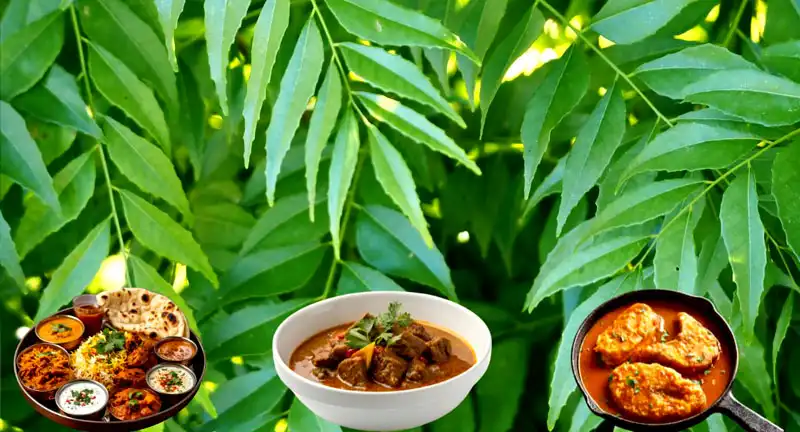
Curry Leaf: The Aromatic Herb of Health and Tradition
Introduction
A mainstay in South Asian kitchens and traditional medicine, the curry leaf (Murraya koenigii) is renowned for its unique flavor and perfume. These tiny, glossy green leaves are a nutritional powerhouse that promotes general health in addition to enhancing flavor.
Curry leaves, which are indigenous to the Indian subcontinent, are frequently used in Ayurvedic treatments to increase immunity, manage diabetes, improve hair and skin health, and aid with digestion. Whether eaten fresh, dried, or powdered, this common herb has several advantages that are still supported by current studies.
In this article, we’ll explore the origin, nutritional composition, health benefits, traditional uses, and ways to include curry leaves in your daily routine.
Medical & Affiliate Disclosure
This content is for informational purposes only and does not constitute medical advice. Always consult a qualified healthcare professional before using any herbal or natural remedies, as the results may depend on the specific area and individual. Some links in this article may be affiliate links, meaning we may earn a commission at no extra cost to you if you purchase them. It will help to improve the website.
Origin and Botanical Background
Curry leaf comes from the Rutaceae family, the same family as citrus fruits. The plant is a small tropical tree that grows up to 6 meters tall, with fragrant white flowers and shiny dark green leaves.
Scientific Classification
- Scientific Name: Murraya koenigii
- Common Names: Curry leaf, Sweet neem leaf, Karuveppilai (Tamil), Kadi patta (Hindi), Karivepaku (Telugu)
- Family: Rutaceae
- Genus: Murraya
- Native Region: India and Sri Lanka
From its origins in the forests of India, the plant spread to Sri Lanka, Southeast Asia, and later to Africa and Australia through trade and migration. It thrives in tropical and subtropical climates and is now cultivated globally, especially in regions with a significant Indian diaspora.
Nutritional Profile of Curry Leaf
Curry leaves are a nutrient-dense herb, packed with essential vitamins, minerals, and plant compounds that promote wellness. Despite their small size, they deliver a remarkable nutritional punch.
Per 100 grams of Curry Leaves (Approximate Values):
- Calories: 108 kcal
- Protein: 6.1 g
- Carbohydrates: 18.7 g
- Dietary Fiber: 6.4 g
- Fat: 1.0 g
- Calcium: 830 mg
- Iron: 0.93 mg
- Phosphorus: 57 mg
- Magnesium: 44 mg
- Vitamin A: 6180 IU
- Vitamin C: 4 mg
- Vitamin E: 2 mg
Key Bioactive Compounds:
Curry leaves are rich in:
- Alkaloids (Mahanimbine, Girinimbine)-known for anti-cancer and anti-inflammatory effects
- Carbazole alkaloids – promote liver and digestive health
- Flavonoids & phenols – act as antioxidants
- Essential oils (β-caryophyllene, sabinene, myrcene)-contribute to aroma and therapeutic properties
These components collectively contribute to the antioxidant, antimicrobial, and anti-diabetic activities of curry leaves.
Health Benefits of Curry Leaf
Curry leaves are not just for flavor; they are a natural remedy for multiple health conditions. Let’s explore their scientifically supported benefits:
Boosts Digestion and Gut Health
Curry leaves are a well-known digestive aid. Their mild laxative properties help stimulate digestive enzymes, reduce bloating, and improve bowel movement.
They contain alkaloids and carbazole compounds that relieve indigestion, nausea, and diarrhea. In traditional Indian households, curry leaf juice is consumed in the morning to promote gut health and detoxification.
Tip: Boil a few curry leaves in water and drink it on an empty stomach for better digestion and reduced acidity.
Helps Manage Diabetes
Curry leaves play a significant role in blood sugar regulation. The plant compounds help improve insulin function and reduce blood glucose levels.
Studies have found that mahanimbine, an active alkaloid in curry leaves, enhances glucose metabolism and protects pancreatic cells. Regular consumption may reduce the risk of type 2 diabetes complications.
Home Remedy: Chew 8-10 fresh curry leaves daily in the morning to help maintain healthy blood sugar levels.
Strengthens Hair and Prevents Premature Graying
One of the most popular traditional uses of curry leaves is for hair care. They are packed with iron, beta-carotene, and antioxidants that nourish hair roots and promote growth.
Curry leaves also contain compounds that help retain natural hair pigment, slowing down premature graying.
Homemade Hair Remedy:
- Boil a handful of curry leaves in coconut oil.
- Cool and strain the oil.
- Massage it into your scalp twice a week to reduce hair fall and enhance shine
Promotes Liver Health
Your liver works tirelessly to detoxify the body-and curry leaves can support this vital organ.
Rich in antioxidants and vitamin C, these leaves protect the liver from oxidative stress and toxin-induced damage. Research indicates that curry leaf extract helps restore liver enzymes and reduce inflammation caused by alcohol or medications.
Pro Tip: Add curry leaves to detox soups or herbal teas to enhance liver function naturally.
Supports Heart Health
Curry leaves contain antioxidants and fiber that help lower cholesterol and triglycerides. They may also prevent oxidation of LDL (bad) cholesterol, which is a key factor in heart disease.
The presence of β-caryophyllene helps regulate lipid metabolism, thereby reducing the risk of atherosclerosis and heart attack.
Dietary Tip: Including curry leaves regularly in meals like lentil soups, stews, or rice can contribute to a heart-healthy diet.
Improves Skin Health
Thanks to its antibacterial and antifungal properties, curry leaves can combat skin infections and acne. The vitamin A and C in the leaves also promote collagen production, improving skin elasticity and tone.
DIY Face Mask:
Grind a few fresh curry leaves with turmeric and honey to form a paste. Apply for 15 minutes and rinse-this helps detoxify the skin and reduce blemishes.
Enhances Eye Health
The high content of vitamin A and carotenoids supports good vision and prevents night blindness. Regular intake can also reduce oxidative stress that affects the retina, keeping your eyes healthier as you age.
Reduces Oxidative Stress
Oxidative stress can accelerate aging and chronic disease. Curry leaves, rich in flavonoids and phenolic compounds, neutralize free radicals and protect body cells from oxidative damage.
May Have Anti-Cancer Properties
Preliminary research shows that curry leaf extracts exhibit anti-cancer potential due to their carbazole alkaloids like mahanimbine and girinimbine. These compounds can inhibit the growth of certain cancer cells, particularly colon and breast cancer cells.
Though more studies are needed, incorporating this herb into your diet adds a natural layer of protection against chronic illnesses
Aids in Weight Management
Curry leaves support healthy metabolism and help in burning fat by improving digestion and lipid breakdown. When combined with a balanced diet and exercise, they can assist in natural weight control.
Traditional and Ayurvedic Uses
In Ayurveda, curry leaves are valued for their Vata and Kapha balancing properties. They are considered:
- Deepana (digestive stimulant)
- Pachana (promotes metabolism)
- Rasayana (rejuvenating herb)
Ayurvedic practitioners use curry leaves for:
- Indigestion, nausea, and morning sickness
- Diabetes and obesity
- Hair loss and premature graying
- Skin disorders and wounds
In Siddha and Unani systems,curry leaves are also used in formulations for blood purification and detoxification.
Like Ginger, curry leaves have been widely used in Indian cuisine and traditional practices, particularly as aromatic ingredients associated with digestive wellness.
Source and references:NutritionFact.in-Curry Leaves Nutrition & Health Info
Ethnobotany, Phytochemical, Pharmacological Potentials of Murraya koenigii, and Its Health Benefits – Current Journal of Applied Science and Technology. It specifically reviews Murraya koenigii (curry leaves), including its traditional uses, phytochemicals, nutritional potential, and reported biological activities.
Culinary Uses Around the World
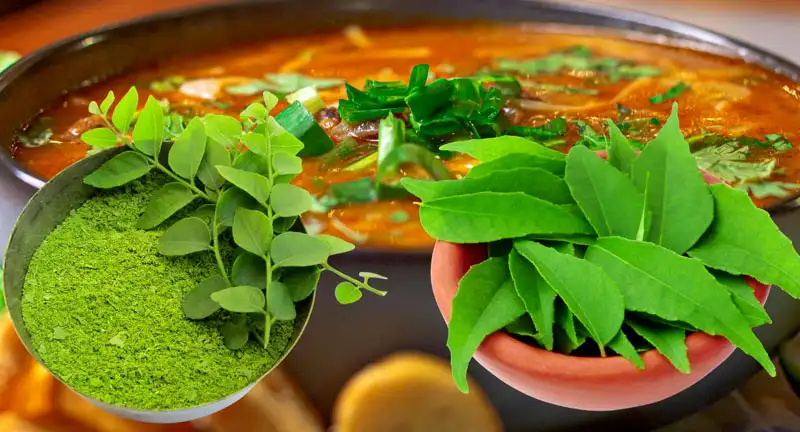
Curry leaves are an essential ingredient in Indian cuisine, especially in southern and western India. They are typically sautéed in oil at the start of cooking to infuse flavor into dishes.
Popular Dishes Featuring Curry Leaves:
- South Indian sambar and rasam
- Tempered lentils (dal tadka)
- Coconut chutney
- Curry leaf rice or lemon rice
- Herbal teas and soups
Beyond India, the leaves are used in:
- Sri Lankan and Malaysian curries
Mauritian stews and African herbal blends
Different Forms of Curry Leaf for Everyday Use
- Fresh Leaves – Used directly in cooking or juiced.
- Dried Leaves – Available in stores for convenience.
- Curry Leaf Powder – Easy to sprinkle over meals or mix in smoothies.
- Curry Leaf Oil – Used for hair care and therapeutic massage.
- Curry Leaf Capsules – Sold as herbal supplements.
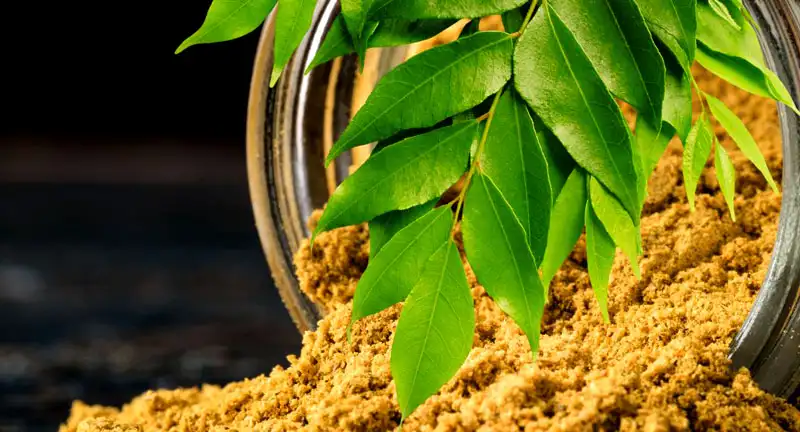
How to Make Curry Leaf Powder at Home
Ingredients:
- 2 cups fresh curry leaves
- 1 tsp cumin seeds
- 1 tsp peppercorns
- ½ tsp turmeric
Preparation:
- Wash and dry the curry leaves completely.
- Roast them on low flame until crisp.
- Add cumin, pepper, and turmeric; grind into a fine powder.
- Store in an airtight container.
Sprinkle this over rice, curries, or soups for a health boost.
Precautions and Side Effects
When eaten in moderation, curry leaves are usually harmless. But
- Overconsumption (especially supplements) may cause mild stomach upset.
- Those on diabetes medication should monitor blood sugar levels.
Pregnant or breastfeeding women should consult a doctor before using large doses or extracts
How to Grow Curry Leaf at Home
Growing a curry leaf plant at home is easy and rewarding. Whether you live in a tropical region or a place with mild winters, you can cultivate this aromatic herb in your garden or even in pots on your balcony. With proper care, the plant thrives for years, providing a steady supply of fresh, fragrant leaves.
Planting Methods
You can grow curry leaf in two ways:
- From Seeds: Use fresh seeds from ripe curry berries. Dry them for a day, then plant them ½ inch deep in moist soil. Germination may take 2–3 weeks.
From Cuttings: Take a 5–6 inch healthy stem cutting with 2–3 nodes. Dip it in rooting hormone and plant in soil. Until roots grow, keep it somewhat shaded.
Harvesting Tips
Once the plant reaches about 1.5 to 2 feet tall, you can start harvesting.
Pluck mature leaves gently from the branches-avoid taking too many at once.
Fresh leaves can be used immediately or dried in shade for long-term storage.
Curry Leaf Tea: A Detox Drink Recipe
Ingredients:
- 10 fresh curry leaves
- 1 cup water
- ½ tsp lemon juice
- 1 tsp honey
Instructions:
- Boil curry leaves in water for 5–7 minutes.
- Strain and add lemon juice and honey.
Drink warm in the morning to detoxify your body and boost metabolism.
Curry leaves and Neem are both plants with deep roots in Indian traditional practices, although they belong to different botanical families and have different traditional uses.
Conclusion
The curry leaf is more than just a kitchen staple-it’s a natural medicine cabinet in disguise. Packed with essential nutrients, antioxidants, and bioactive compounds, this humble herb offers protection against diabetes, liver disorders, heart disease, and oxidative stress.
Whether you use it in cooking, herbal teas, or hair care, curry leaves can truly enhance your health and well-being.
Adding this aromatic herb to your daily diet is a simple, traditional, and delicious way to embrace holistic wellness.
FAQs About Curry Leaf
- What are curry leaves used for?
Curry leaves are used in cooking for flavor and in traditional medicine for digestive, liver, and hair health. - Can you eat curry leaves raw?
Yes, you can chew a few fresh curry leaves daily to improve digestion and lower blood sugar. - Are curry leaves good for hair growth?
Absolutely. They contain antioxidants and proteins that strengthen hair follicles and reduce hair fall. - What’s the difference between curry leaves and curry powder?
Curry leaves are natural leaves, while curry powder is a spice mix that does not contain curry leaves. - Do curry leaves help in weight loss?
Yes, they support metabolism and fat breakdown, helping in natural weight management. - How should curry leaves be stored?
Store fresh leaves in an airtight container in the refrigerator or dry them for long-term use. - Can curry leaves cure diabetes?
They can’t cure diabetes but can help regulate blood sugar levels when combined with a healthy diet.
8. Is it safe to consume curry leaves daily?
Yes, in moderate amounts. They are safe, nutritious, and beneficial for daily consumption.