Madagascar Periwinkle (Catharanthus roseus): The Healing Power of Nithyakalyani
Nature has always been a source of incredible healing treasures, and one such wonder is Madagascar Periwinkle, scientifically known as Catharanthus roseus and commonly called in India as Nithyakalyani. This evergreen herb is celebrated across traditional medicine systems like Ayurveda, Siddha, and Unani for its wide range of health benefits. Beyond its ornamental beauty, this humble plant carries potent medicinal compounds that have inspired modern pharmaceuticals as well.
In this article, we will explore everything about Nithyakalyani-its origin, plant description, nutritional profile, medicinal properties, modern research, and traditional uses-and how this small flowering herb has become a global symbol of natural healing
Medical & Affiliate Disclosure
This content is for informational purposes only and does not constitute medical advice. Always consult a qualified healthcare professional before using any herbal or natural remedies, as the results may depend on the specific area and individual. Some links in this article may be affiliate links, meaning we may earn a commission at no extra cost to you if you purchase them. It will help to improve the website.
What is Madagascar Periwinkle?
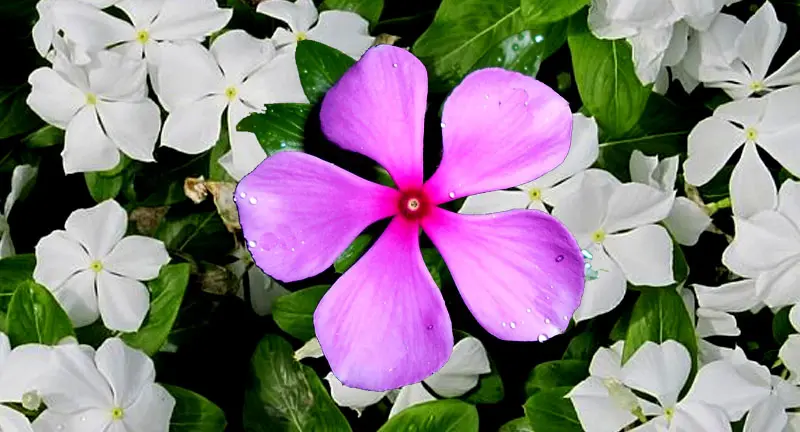
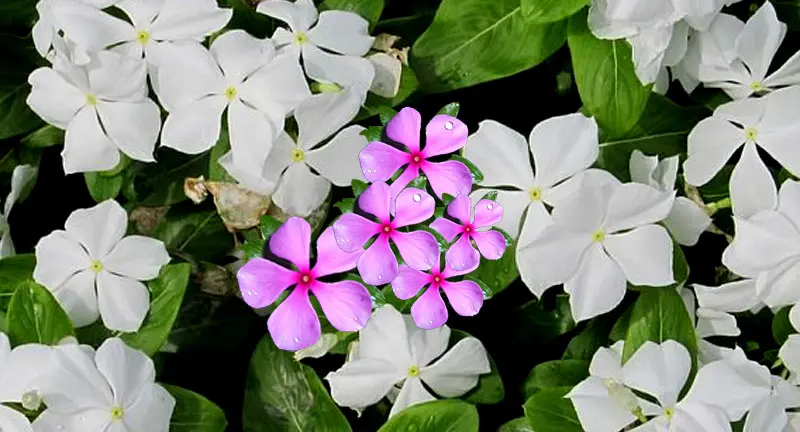
Madagascar Periwinkle, or Catharanthus roseus, is a perennial tropical plant belonging to the Apocynaceae family. It is native to Madagascar, hence the common name Madagascar Periwinkle. The plant is widely cultivated in tropical and subtropical regions around the world for its beautiful pink, white, or purple flowers and, more importantly, for its remarkable medicinal value.
In Sanskrit, it is called Sadapushpa, which means “ever-blooming flower.” In Tamil Nadu, it is fondly known as Nithyakalyani, symbolizing “eternal beauty”-a fitting name for a plant that blooms all year round.
Lorem ipsum dolor sit amet, consectetur adipiscing elit. Ut elit tellus, luctus nec ullamcorper mattis, pulvinar dapibus leo.
Botanical Description
- Scientific Name: Catharanthus roseus
- Common Names: Nithyakalyani, Madagascar Periwinkle, Sadabahar, Vinca rosea
- Family: Apocynaceae
- Origin: Madagascar
- Plant Type: Evergreen perennial herb
- Height: 30 to 100 cm tall
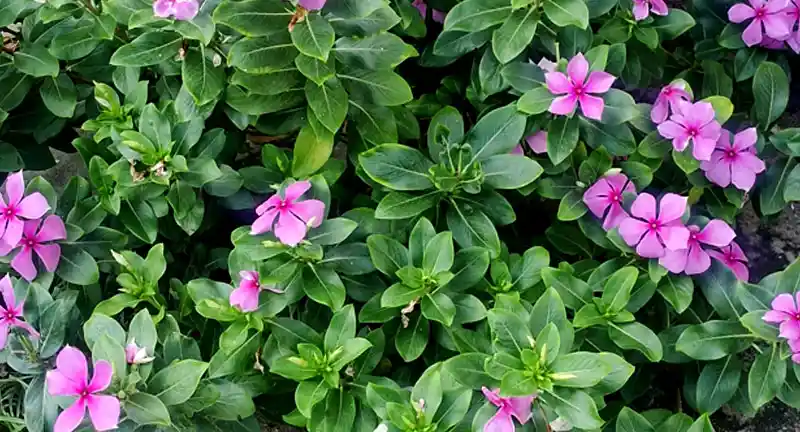
- Leaves: Shiny, oval-shaped, and arranged oppositely
- Flowers: Pink, white, or purple with five petals
- Fruits: Cylindrical follicles containing numerous seeds
This hardy plant thrives in sunny, well-drained soils and requires minimal maintenance, making it a favorite among home gardeners and herbalists alike.
Origin and Global Distribution
Originally native to the island of Madagascar, the Nithyakalyani plant spread worldwide through trade and exploration. Over centuries, it has adapted to regions such as India, Sri Lanka, Southeast Asia, Africa, and the Caribbean.
In India, it grows abundantly in gardens, roadsides, and temple grounds, valued both for its spiritual symbolism and therapeutic potential. It plays an important role in Ayurveda, Siddha medicine, and folk remedies for treating various health disorders.
Interestingly, Nithyakalyani gained immense attention in the 1950s when scientists discovered that its alkaloids had powerful anti-cancer properties, making it one of the few medicinal plants that directly contributed to modern chemotherapy drugs.
Nutritional and Chemical Composition
Though Madagascar Periwinkle is not used for nutritional purposes like other herbs, its chemical constituents are of great medicinal interest. The plant is rich in bioactive alkaloids, which are responsible for its healing properties.
Major Phytochemical Compounds:
- Vincristine and Vinblastine: Anticancer alkaloids used in chemotherapy.
- Ajmalicine: A natural compound beneficial for treating hypertension.
- Serpentine: Helps in calming the nervous system.
- Lochnerine, Vindoline, Catharanthine: Support cardiovascular and immune health.
- Tannins, Flavonoids, and Phenolic compounds: Exhibit strong antioxidant and anti-inflammatory actions.
These phytochemicals make Nithyakalyani a true gift of nature, with properties ranging from anticancer and antidiabetic to antimicrobial and antioxidant effects.
Health Benefits of Madagascar Periwinkle
The medicinal value of Madagascar Periwinkle lies primarily in its leaves, roots, and flowers. Traditional healers have used this plant for centuries to treat numerous ailments, and modern science now validates many of these uses.
Let’s explore the major health benefits of this miraculous herb:
Anticancer Properties
The most well-known benefit of Nithyakalyani comes from its two major alkaloids — Vincristine and Vinblastine. These compounds are extracted from the plant and used in chemotherapy to treat cancers such as:
- Leukemia
- Hodgkin’s lymphoma
- Breast and lung cancer
They work by inhibiting cancer cell growth and division, giving patients a better chance at recovery. This discovery revolutionized cancer treatment globally.
Supports Blood Sugar Control
Traditional Indian medicine systems have long used Nithyakalyani leaves for managing diabetes. The plant extracts help stimulate insulin production, improve glucose metabolism, and lower blood sugar levels naturally.
Modern research supports these claims, showing that the plant’s alkaloids and flavonoids possess strong antidiabetic properties.
Heart Health and Blood Pressure Regulation
The alkaloid Ajmalicine found in Madagascar Periwinkle has vasodilating properties that improve blood flow and reduce high blood pressure. Regular use of Nithyakalyani in controlled doses may help maintain cardiovascular balance, prevent arterial stiffness, and improve overall heart health.
Enhances Immunity
The antioxidants in Nithyakalyani, such as flavonoids and phenolic acids, combat oxidative stress, strengthen immunity, and help the body resist infections and inflammation.
Traditional healers often prescribed its flower infusion during fever or cold to boost resistance naturally.
Promotes Wound Healing
The leaf juice or paste of Madagascar Periwinkle is applied externally on cuts, insect bites, and wounds for faster healing. Its antibacterial and anti-inflammatory properties prevent infection and promote tissue regeneration.
Aids in Digestive Health
Mild preparations of Madagascar Periwinkle leaves are used in folk remedies to improve digestion and treat constipation and stomach ulcers. Its extracts are known to soothe the digestive tract and regulate bowel movements naturally.
Treats Skin Disorders
The plant is known for its detoxifying and antibacterial properties, which make it beneficial in treating acne, eczema, and skin rashes. Applying leaf paste or flower extract on affected skin areas can reduce irritation and inflammation.
Helps in Respiratory Conditions
Nithyakalyani flower decoction is traditionally used to relieve asthma, cough, and bronchitis symptoms. It acts as an expectorant, helping clear mucus and ease breathing
Calms the Nervous System
Roots of the plant contain compounds that possess mild sedative effects, making them useful in treating anxiety, stress, and insomnia. They promote relaxation and enhance mental clarity when used appropriately.
Madagascar Periwinkle in Ancient and Traditional Medicine
Ayurveda:
In Ayurveda, Nithyakalyani (Sadapushpa) is described as:
- Taste (Rasa): Tikta (bitter)
- Energy (Virya): Sheeta (cooling)
- Effect (Vipaka): Katu (pungent post-digestion)
It is used to treat Kapha and Pitta imbalances, commonly in disorders such as diabetes (Madhumeha), hypertension, and skin diseases.
Siddha Medicine:
In Siddha tradition, Nithyakalyani is known as Nithyakalyani poovu or Vinca. The juice of its leaves is used for:
- Reducing high blood sugar
- Purifying the blood
- Treating eye inflammation and chronic wounds
Unani and Folk Medicine:
Unani practitioners use it as a detoxicant, diuretic, and anti-hypertensive agent. In folk medicine, the flowers are steeped in water to prepare a mild tonic for fever and inflammation.
Source and references:Drugs.com- Periwinkle uses & side effects
Royal Botanic Gardens, Kew – Madagascar Periwinkle Kew explains the plant’s traditional uses and, importantly, its role as the natural source of important anticancer medicines such as vincristine and vinblastine.
How to Use Madagascar Periwinkle Safely
While Nithyakalyani has many benefits, it must be used with care since it contains potent alkaloids. Always consult an herbalist or physician before use, especially if you are under medication.
Traditional Usage Forms:
- Leaf Decoction:
- Boil 5–6 leaves in 200 ml water until reduced to half.
- Strain and consume once daily for controlling blood sugar.
- Flower Infusion:
- Soak a handful of fresh flowers overnight in warm water.
- Drink in the morning to boost immunity and cool the body.
- Leaf Paste (External Use):
- Grind fresh leaves into a paste and apply on wounds, insect bites, or acne spots.
- Root Extract:
- Used under medical supervision for hypertension and anxiety relief.
Note:
High doses can cause toxicity. Avoid self-medicating with large quantities of leaves or roots. Pregnant and breastfeeding women should not use it without professional guidance.
Black Turmeric is another traditional medicinal plant that contains naturally occurring bioactive compounds and has been investigated for various biological activities.
Modern Scientific Research and Pharmaceutical Importance
The discovery of Vincristine and Vinblastine from Catharanthus roseus in the 1950s marked a revolution in cancer therapy. Today, these alkaloids are used in chemotherapy worldwide to treat various cancers effectively.
Researchers continue to explore other therapeutic potentials of the plant, such as:
- Anti-inflammatory and antimicrobial activities
- Neuroprotective effects
- Blood sugar and lipid regulation
- Potential cardiovascular support
The plant’s pharmacological importance has made it a cornerstone in both traditional healing and modern medicine.
Spiritual and Cultural Significance
In India, Madagascar Periwinkle flowers are often offered in temples, symbolizing purity and eternal love. The name itself, meaning “ever auspicious”, reflects its continuous blooming nature and the belief that it brings positivity and wellness to households.
Neem has also been deeply respected for centuries and is often regarded as a symbol of purification, protection, and natural wellness. Neem leaves are traditionally used in homes and cultural practices.
How to Grow Madagascar Periwinkle at Home
Growing Madagascar Periwinkle is easy, making it a perfect addition to herbal gardens.
Tips for Cultivation:
- Soil: Well-drained, sandy loam
- Light: Full sunlight
- Watering: Moderate; avoid waterlogging
- Propagation: By seeds or stem cuttings
- Maintenance: Trim regularly to encourage blooming
It blooms throughout the year and can thrive even in minimal care, adding beauty and medicinal value to your garden.
Precautions and Side Effects
While beneficial in controlled doses, misuse can lead to:
- Nausea, dizziness, or stomach upset
- Low blood pressure (in excess)
- Neurological side effects if taken unsupervised
Always use Madagascar Periwinkle under professional supervision and avoid mixing with prescription drugs unless guided by a healthcare provider.
Conclusion
The Madagascar Periwinkle stands as a shining example of nature’s profound healing intelligence. From its traditional use in Indian medicine to its pivotal role in modern cancer therapy, this small flowering herb continues to bridge the gap between ancient wisdom and scientific innovation.
Its power lies not just in its beauty but in its ability to heal, purify, and rejuvenate — making it one of the most valuable plants in both herbal and pharmaceutical history.
So, whether you admire it for its ornamental charm or its medicinal might, Madagascar Periwinkle truly deserves a place in every herbal garden and in the story of natural wellness.
FAQs about Nithyakalyani (Catharanthus roseus)
- What is the common name of Madagascar Periwinkle?
It is commonly known as Catharanthus roseus or Sadabahar. - Can we use Madagascar Periwinkle leaves for diabetes?
Yes, leaf decoction is traditionally used to manage blood sugar levels under expert supervision. - Is Madagascar Periwinkle used in cancer treatment?
Yes, the alkaloids vincristine and vinblastine derived from the plant are used in chemotherapy. - How can I grow Madagascar Periwinkle at home?
You can easily grow it from seeds or cuttings in well-drained soil under full sunlight. - Are there any side effects?
High doses may cause nausea, dizziness, or low blood pressure. Always use in moderation. - Can it be used for skin care?
Yes, the leaf paste is applied to treat acne, eczema, and wounds. - What are the key medicinal parts of the plant?
Leaves, roots, and flowers are the most medicinally valuable parts.
8. Madagascar Periwinkle used in Ayurveda?
Yes, it is known as Sadapushpa and used to balance Kapha and Pitta doshas in various treatments.