Neem (Veppillai) – The Miracle Plant of Nature’s Medicine
Introduction
Neem (Azadirachta indica), known as Veppillai in South India, is one of the most sacred and medicinal trees in India. Seen along almost every street, especially in southern regions, the neem tree has been worshipped as a divine protector for centuries. Many ancient temples still have a neem tree growing within their premises-a symbol of purity and healing. Over 5,000 years ago, traditional healers and communities recognized neem as an excellent natural disinfectant, especially effective in preventing the spread of diseases like measles. Even today, people continue to use neem leaves and twigs for cleansing, purification, and daily wellness, proving that the wisdom of ancient India still lives strong in this miracle tree.
Known as the “Village Pharmacy”, neem has served as a natural remedy for numerous ailments ranging from skin disorders and infections to diabetes and inflammation. In recent times, modern science has also begun to uncover the incredible bioactive compounds responsible for neem’s remarkable healing power.
Medical & Affiliate Disclosure
This content is for informational purposes only and does not constitute medical advice. Always consult a qualified healthcare professional before using any herbal or natural remedies, as the results may depend on the specific area and individual. Some links in this article may be affiliate links, meaning we may earn a commission at no extra cost to you if you purchase them. It will help to improve the website.
Origin and Botanical Overview of Neem
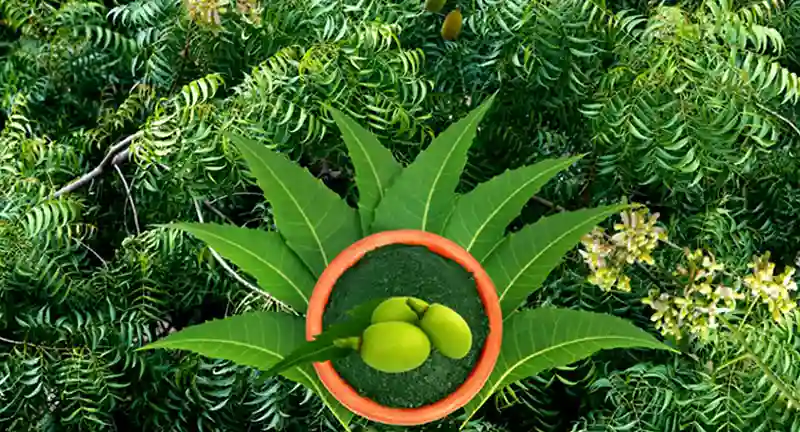
Native to the Indian subcontinent, neem (Azadirachta indica) is a member of the Meliaceae family. It thrives in tropical and semi-tropical regions, particularly in India, Sri Lanka, Nepal, Bangladesh, and Pakistan. The tree can grow up to 20–25 meters tall, bearing dark green leaves and small white fragrant flowers.
Historical Significance
Neem’s use dates back more than 4,000 years. Ancient texts like the Atharva Veda, Charaka Samhita, and Sushruta Samhita describe neem as “Sarva Roga Nivarini” — meaning the healer of all diseases.
In Siddha, Ayurveda, and Unani systems, neem has been considered a powerful detoxifier and immune booster. Ancient Egyptians used neem oil for skin care and to preserve mummies, while in traditional Indian households, neem twigs have been used as natural toothbrushes for oral hygiene.
Nutritional Profile of Neem Leaves
Neem (Azadirachta indica)is not just medicinal — it is also nutritionally rich. Its leaves, bark, and seeds are loaded with antioxidants, vitamins, and minerals that support overall health.
Nutritional Components of Neem Leaves (per 100g of dried leaf):
- Calories: 65 kcal
- Protein: 6.0 g
- Carbohydrates: 10 g
- Fiber: 4.8 g
- Fat: 2.3 g
- Vitamin C: 25 mg
- Vitamin E: 3 mg
- Beta-carotene (Vitamin A): 320 µg
- Calcium: 210 mg
- Iron: 5 mg
- Phosphorus: 30 mg
Neem (Azadirachta indica)also contains powerful bioactive compounds such as:
- Nimbin
- Nimbidin
- Azadirachtin
- Quercetin
- Sodium nimbinate
- Gedunin
These compounds contribute to neem’s antibacterial, antiviral, antifungal, and anti-inflammatory actions.
Health Benefits of Neem (Veppillai)
Neem (Azadirachta indica)is often called a universal healer because of its broad-spectrum health benefits. Let’s explore how it supports various aspects of human health:
Boosts Immunity Naturally
Neem (Azadirachta indica)strengthens the immune system by enhancing the body’s natural defense mechanisms. The antioxidants and flavonoids in neem fight free radicals and prevent oxidative stress, which protects the body from chronic diseases and infections.
Drinking neem leaf juice or taking dried neem powder in small quantities helps build resistance against common colds, fevers, and seasonal illnesses.
Purifies Blood and Detoxifies the Body
One of neem’s oldest traditional uses is as a blood purifier. Its bitter compounds cleanse toxins from the bloodstream, helping to improve circulation and promote clearer skin.
Ayurveda recommends consuming neem leaf powder or juice during spring to eliminate toxins accumulated during winter.
- Promotes Healthy Skin and Treats Acne
Neem (Azadirachta indica)is a well-known skin healer. Its antibacterial and antifungal properties make it effective against acne, eczema, psoriasis, and rashes.
- Neem paste or neem water can be applied topically to reduce pimples and inflammation.
- Neem oil helps heal scars, wounds, and pigmentation.
The antioxidants in neem rejuvenate the skin, delay signs of aging, and promote a glowing complexion.
Supports Oral and Dental Health
Chewing neem twigs has been a traditional Indian practice for centuries. Neem acts as a natural toothbrush, preventing gum infections, plaque, and bad breath.
Modern herbal toothpastes often contain neem extracts for their antibacterial and anti-inflammatory benefits, supporting overall oral hygiene.
Controls Blood Sugar Levels
Neem (Azadirachta indica) plays a crucial role in managing diabetes naturally. Studies have shown that neem leaves and bark help lower blood glucose levels and improve insulin sensitivity.
Drinking neem tea or taking dried neem leaf powder daily (in moderation) can help control blood sugar levels and prevent diabetic complications.
Supports Liver Health
Neem (Azadirachta indica)aids in detoxifying the liver and improving its functions. It helps flush out toxins, reduces liver inflammation, and protects liver cells from damage caused by medications or alcohol.
Ayurvedic doctors often recommend neem formulations for liver cleansing and jaundice management.
Fights Infections and Strengthens Immunity
Neem’s antibacterial, antiviral, and antifungal activities make it a potent defender against infections. It helps fight:
- Fungal infections like ringworm and athlete’s foot
- Bacterial infections of the skin
- Viral fevers and sore throats
It also enhances the body’s ability to fight against infectious pathogens naturally.
Like Black Turmeric, neem has a long history of use in traditional herbal practices, where different parts of the plant have been valued for their naturally occurring bioactive compounds.
Improves Hair and Scalp Health
Neem (Azadirachta indica)is a traditional remedy for dandruff and hair loss. Its antifungal properties eliminate scalp infections, while its nutrients strengthen hair roots.
- Neem oil massage nourishes the scalp and reduces dandruff.
- Neem leaf rinse promotes thick and shiny hair.
It also prevents lice and maintains scalp pH balance.
Supports Digestive Health
Neem (Azadirachta indica)helps regulate digestive functions and acts as a mild laxative. It supports healthy gut flora and relieves issues like bloating, gas, and constipation.
In Ayurveda, neem is also used to manage intestinal worms and parasitic infections, thanks to its antiparasitic compounds.
Anti-Inflammatory and Pain Relief Properties
Neem (Azadirachta indica)contains compounds like nimbidin and quercetin, which help reduce inflammation in joints and tissues.
Neem oil or leaf extract is beneficial for those suffering from arthritis, muscle pain, or joint stiffness.
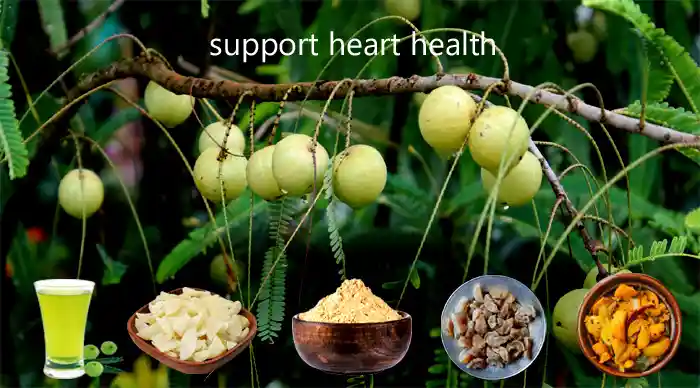
Supports Heart Health
Neem (Azadirachta indica)helps maintain healthy cholesterol levels and improves blood circulation. It reduces the risk of atherosclerosis (plaque buildup in arteries) and supports cardiovascular wellness.
Neem in Ancient Medicine
Neem (Azadirachta indica) has been a core element in ancient healing systems for centuries.
Ayurveda
In Ayurveda, neem is classified as:
- Rasa (Taste): Bitter (Tikta)
- Guna (Quality): Light and dry
- Virya (Potency): Cooling
- Karma (Action): Detoxifier, antifungal, antibacterial, blood purifier
It is used in Ayurveda to treat skin diseases, fever, diabetes, ulcers, and infections. Neem-based oils and powders are key ingredients in many classical formulations such as:
- Nimbadi Taila (for skin)
- Panchanimba Churna (for detox)
- Nimba Arishta (for immunity)
Siddha and Unani Medicine
In Siddha medicine, neem is used for its detoxifying, antifungal, and antimicrobial qualities. It is applied externally for wounds and skin infections.
Unani physicians use neem leaves and seeds for treating leprosy, eczema, and chronic ulcers.
Neem can be discussed alongside Black Cumin Seeds, another traditional plant ingredient that contains naturally occurring compounds being studied for their antioxidant and other biological properties.
How to Use Neem (Azadirachta indica)in Daily Life
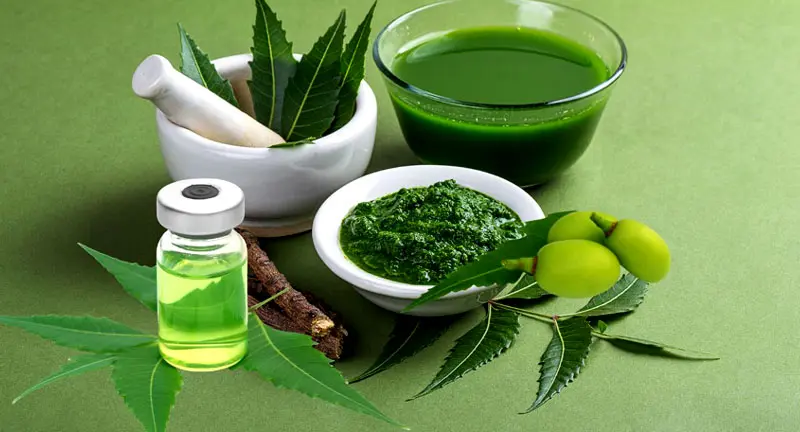
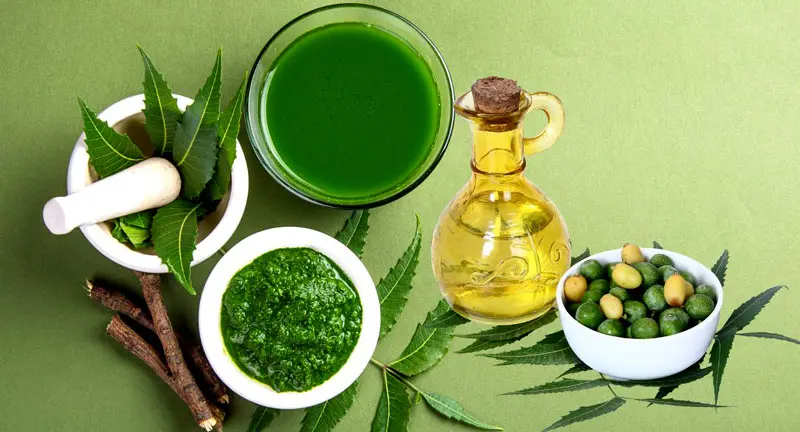
- Neem Leaf Juice
- Take 5–6 fresh neem leaves.
- Grind them with water and strain the juice.
- Drink 1 tablespoon of this juice with water every morning on an empty stomach.
(Helps purify blood and strengthen immunity.)
- Dried Neem Leaf Powder
Dried neem leaf powder can be consumed or applied externally.
- Internal use: Mix ½ teaspoon neem powder with honey or water.
- External use: Mix neem powder with rose water or aloe vera for a face pack.
- Neem Oil
Extracted from neem seeds, the oil can be used for:
- Scalp massage (for dandruff)
- Skin infections and acne treatment
- As an insect repellent
- Neem Water for Bathing
Boil neem leaves in water for 10–15 minutes. Use this water for bathing to relieve itching, rashes, and fungal infections.
- Neem Tooth Twigs
Chewing fresh neem twigs every morning keeps the mouth clean and gums strong.
Benefits of Dried Neem Leaves
While fresh leaves are commonly used, dried neem leaves also hold great medicinal value.
Drying helps preserve neem for long-term use.
Key Benefits:
- Antimicrobial: Protects stored grains and wardrobes from insects.
- Medicinal: Dried leaves can be powdered and used for acne, dandruff, and detox drinks.
- Skin care: Acts as an exfoliant in face masks.
- Wound healing: Dried neem leaf powder can be applied to small cuts or ulcers to prevent infection.
How to Prepare Dried Neem Leaves:
- Collect fresh neem leaves and wash gently.
- Spread them in a shaded, well-ventilated area.
- Once fully dry, store them in airtight containers.
- Grind into powder for convenience.
Modern Research on Neem
Scientific studies have confirmed many traditional uses of neem:
- Antimicrobial activity: Proven effective against bacteria like Staphylococcus aureus and E. coli.
- Anticancer potential: Neem extracts may inhibit the growth of cancerous cells.
- Antidiabetic effects: Shown to lower fasting blood sugar and improve insulin response.
Antioxidant power: Neutralizes free radicals and prevents cell damage.
Modern Research on Neem (Azadirachta indica)
Scientific studies have confirmed many traditional uses of neem:
- Antimicrobial activity: Proven effective against bacteria like Staphylococcus aureus and E. coli.
- Anticancer potential: Neem extracts may inhibit the growth of cancerous cells.
- Antidiabetic effects: Shown to lower fasting blood sugar and improve insulin response.
Antioxidant power: Neutralizes free radicals and prevents cell damage.
Moringa is another widely used traditional plant that provides a variety of naturally occurring nutrients and bioactive compounds and can be included as part of a diverse approach to plant-based wellness.
Source and references: Journal of Drug Delivery and Therapeutics- Medicinal Importance of Neem
Conclusion
Neem (Azadirachta indica / Veppillai) truly lives up to its title as the “Miracle Tree”. From ancient Indian texts to modern laboratories, its health-promoting properties have stood the test of time. Whether used as a detoxifier, skin healer, immunity booster, or natural insect repellent — neem remains one of the most versatile medicinal plants known to humanity.
By integrating neem into daily life — through its dried leaves, powder, oil, or juice — we can harness nature’s wisdom for stronger health, radiant skin, and a balanced body.
Neem is not just a plant; it’s a living pharmacy gifted by Mother Nature.
Frequently Asked Questions (FAQs) about Neem (Veppillai / Azadirachta indica)
1. What is Neem (Azadirachta indica) used for?
Neem (Azadirachta indica)is used for treating various health conditions, including skin disorders, diabetes, infections, and oral problems. It is also a natural detoxifier, blood purifier, and immune booster. Neem oil and leaf extracts are popular for skincare, hair care, and wound healing.
2. Can we eat neem leaves daily?
Yes, consuming 4–5 fresh neem leaves or a teaspoon of dried neem powder daily in moderation can help purify blood, enhance immunity, and improve liver health. However, overconsumption may cause stomach irritation or low blood sugar, so it should be taken cautiously.
3. What are the benefits of dried neem leaves?
Dried neem leaves retain most of the medicinal properties of fresh leaves. They can be powdered and used to make detox drinks, face masks, and hair treatments. Dried neem leaves are also used as a natural insect repellent for stored grains and clothes.
4. How is neem used in ancient medicine?
In Ayurveda and Siddha medicine, neem is known as Sarva Roga Nivarini — the healer of all diseases. Ancient healers used neem for fever, infections, wounds, diabetes, and skin conditions. Its leaves, bark, seeds, and oil were incorporated into medicinal formulations and detox tonics.
5. Can neem help in treating acne and pimples?
Yes, Neem (Azadirachta indica)is a powerful antibacterial and anti-inflammatory herb that helps control acne-causing bacteria, reduce redness, and prevent breakouts. Applying neem paste or neem water on the skin can clear acne and promote smooth, glowing skin.
6. How does neem support hair health?
Neem (Azadirachta indica)strengthens hair roots, prevents dandruff, and soothes scalp irritation. Neem oil and neem leaf rinse promote thicker and shinier hair while eliminating lice and fungal infections.
7. Is neem safe for diabetic patients?
Yes, Neem (Azadirachta indica)can help manage blood sugar levels naturally. It improves insulin sensitivity and reduces glucose levels. However, diabetic patients already on medication should consult their doctor before adding neem supplements to their routine.
8. How can I use neem water for skin care?
Boil a handful of Neem (Azadirachta indica)leaves in water for 10–15 minutes, strain, and let it cool. Use this water to wash your face or add it to your bath. It helps reduce skin infections, itching, and body acne, leaving the skin refreshed and clean.