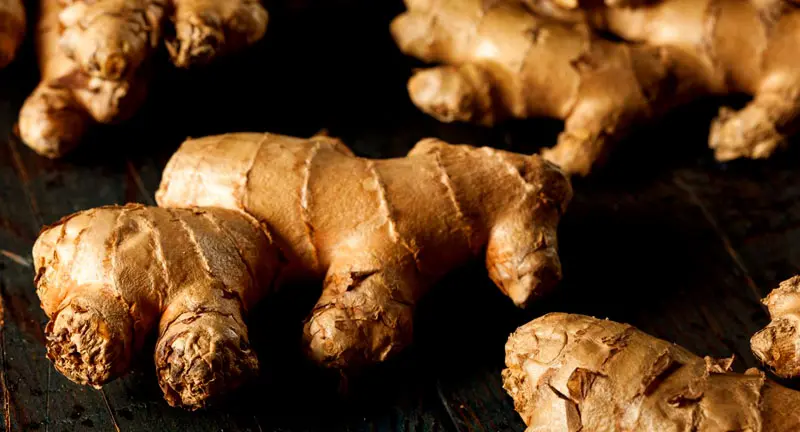
Ginger and Dry Ginger: Nature’s Golden Root for Health and Healing
Introduction
Zingiber officinale, the scientific name for ginger, is one of the most prized culinary and medicinal plants in the world. Ginger has been utilized for more than 5,000 years in many different cultures due to its strong flavor and amazing medicinal qualities. It is referred to as Adrak in Hindi and Inji in Tamil in India; its dried form is called Sukku. Both types of ginger are praised for their numerous health advantages, which range from enhancing digestion to reducing inflammation and strengthening immunity, in addition to their capacity to improve flavor.
Let’s examine the history, nutritional value, health advantages, and conventional medical applications of ginger and dry ginger to see why this golden root is still a mainstay of herbal medicine today.
Medical & Affiliate Disclosure
This content is for informational purposes only and does not constitute medical advice. Always consult a qualified healthcare professional before using any herbal or natural remedies, as the results may depend on the specific area and individual. Some links in this article may be affiliate links, meaning we may earn a commission at no extra cost to you if you purchase them. It will help to improve the website.
Origin and Historical Background
Ginger is native to Southeast Asia, particularly India and China, where it has been cultivated for thousands of years. Ancient trade routes carried ginger to the Roman Empire, Greece, and the Middle East, where it quickly became one of the most sought-after spices.
In Ayurveda, ginger is called the “Universal Medicine” (Vishwabhesaj) for its wide range of healing properties. Traditional Chinese Medicine (TCM) also treasures ginger for balancing internal energy, improving circulation, and relieving cold symptoms.
By the Middle Ages, ginger had become a luxury spice in Europe, often used in sweets, tonics, and preserved foods. Today, it is cultivated worldwide, from India and China to Africa, Jamaica, and the Caribbean.
Botanical Description
Ginger belongs to the Zingiberaceae family, the same family as turmeric and cardamom. It is a perennial herb with underground rhizomes that store the essential oils responsible for its aroma and flavor.
- Scientific name: Zingiber officinale
- Common names: Ginger, Adrak (Hindi), Inji (Tamil), Allam (Telugu), Ale (Marathi)
- Plant family: Zingiberaceae
- Part used: Rhizome (the underground stem)
When ginger is dried and powdered, it becomes Dry Ginger (Sukku or Sonth). The drying process intensifies its pungency and changes its chemical composition, making it ideal for medicinal and preservative purposes.
Nutritional Profile of Ginger
Ginger is low in calories yet rich in powerful bioactive compounds that promote health and healing.
Per 100 grams of Fresh Ginger (approximate values):
- Calories: 80 kcal
- Carbohydrates: 18 g
- Protein: 1.8 g
- Fat: 0.7 g
- Fiber: 2 g
- Vitamin C: 5 mg
- Vitamin B6: 0.16 mg
- Magnesium: 43 mg
- Potassium: 415 mg
- Manganese: 0.2 mg
Active Compounds:
- Gingerol: The main bioactive compound responsible for its anti-inflammatory and antioxidant properties.
- Shogaol: Formed during the drying process; more potent and warming than gingerol.
- Zingerone: Contributes to its sweet-spicy aroma and has anti-nausea effects.
The transition from fresh ginger to dry ginger increases the concentration of certain compounds like shogaol, making dry ginger more potent for therapeutic uses.
Health Benefits of Ginger
Supports Digestive Health
Ginger has been used for centuries as a digestive aid. It stimulates digestive enzymes, enhances bile secretion, and improves nutrient absorption.
- Relieves indigestion, gas, and bloating.
- Helps treat nausea caused by pregnancy, chemotherapy, or motion sickness.
- Promotes gut motility and reduces intestinal inflammation.
Traditional tip: Drinking ginger tea after meals supports healthy digestion and reduces discomfort.
Anti-Inflammatory and Pain-Relieving Properties
Ginger’s gingerol compounds inhibit inflammatory pathways, helping reduce pain and swelling.
- Beneficial for arthritis, joint pain, and muscle soreness.
- Used to treat menstrual cramps due to its natural analgesic effect.
- A warm compress with ginger water helps relieve local inflammation.
Research insight: Studies show that ginger supplementation can reduce symptoms of osteoarthritis and rheumatoid arthritis when taken regularly.
Boosts Immunity and Fights Infections
Ginger contains natural antimicrobial compounds that fight bacteria and viruses.
- Strengthens the immune system against common colds and flu.
- Acts as a natural decongestant and expectorant, clearing respiratory passages.
- Enhances white blood cell activity, promoting faster recovery.
Traditional use: Ginger tea with honey and lemon is a classic remedy for colds and sore throats.
Improves Circulation and Heart Health
Regular consumption of ginger can improve cardiovascular function.
- Helps lower cholesterol and triglycerides.
- Prevents blood clot formation and enhances blood flow.
- Aids in managing high blood pressure naturally.
Dry ginger powder in small amounts is often recommended in Ayurveda to stimulate blood circulation and strengthen heart muscles..
Balances Blood Sugar Levels
Ginger improves insulin sensitivity and helps regulate blood sugar, making it beneficial for diabetics.
- Enhances glucose metabolism.
- Reduces fasting blood sugar levels.
- Prevents diabetic complications through antioxidant action.
Ayurvedic note: Dry ginger is preferred in diabetic remedies due to its heating and metabolic properties.
Aids in Weight Management
Ginger increases metabolism and fat burning by stimulating thermogenesis.
- Reduces appetite naturally.
- Improves digestion and prevents fat accumulation.
- Enhances calorie expenditure.
A morning drink of ginger water or ginger-lemon tea supports weight management and detoxification.

Supports Respiratory Health
Ginger acts as a natural bronchodilator and anti-inflammatory agent.
- Eases asthma, cough, and bronchitis symptoms.
- Clears mucus and congestion from the lungs.
- Strengthens the respiratory system.
In traditional medicine, dry ginger powder with honey is a classic remedy for chronic cough.
Improves Brain Function and Fights Fatigue
The antioxidants in ginger combat oxidative stress in the brain.
- Improves memory, concentration, and cognitive function.
- Reduces fatigue and mental exhaustion.
May protect against neurodegenerative diseases like Alzheimer’s.
Natural Remedy for Nausea and Morning Sickness
Ginger is a time-tested remedy for all kinds of nausea.
- Effective for pregnancy-related nausea.
- Relieves motion sickness.
- Helps prevent nausea from chemotherapy or surgery.
A small cup of ginger tea or chewing a piece of raw ginger can provide quick relief.
Detoxifies the Body
Ginger promotes sweating, which helps the body eliminate toxins naturally.
- Cleanses the liver and kidneys.
- Reduces bloating and water retention.
- Restores energy and improves overall vitality.
Dry ginger tea is particularly known for its powerful detoxification effect.
Benefits of Dry Ginger (Sukku or Sonth)
While fresh ginger is more commonly used in cooking, dry ginger is a powerhouse in traditional medicine. Drying concentrates its bioactive compounds, giving it stronger therapeutic effects.
- Enhances Metabolism and Digestion
Dry ginger stimulates digestive fire (Agni in Ayurveda), improving metabolism and nutrient absorption. It also treats indigestion, stomach pain, and diarrhea.
- Relieves Cold and Cough
Dry ginger powder mixed with honey is a popular home remedy for sore throat and chronic cough. It clears mucus and warms the respiratory tract.
- Promotes Detoxification
Sukku water (boiled dry ginger water) is a traditional South Indian detox drink used daily to eliminate toxins and improve immunity.
- Reduces Inflammation and Pain
Due to its heating nature, dry ginger is used to relieve arthritis and muscle pain. Applying a paste of dry ginger powder with warm water helps reduce inflammation locally.
- Supports Women’s Health
In Ayurveda, dry ginger is often included in herbal formulations for menstrual discomfort and postnatal recovery. It relieves cramps and supports uterine health.
- Prevents Acidity and Gas
Taking a small pinch of dry ginger powder with warm water after meals reduces acidity, gas, and bloating.

Ginger in Ancient Medicine
Ayurveda (India)
In Ayurveda, ginger is revered as “Mahaushadhi” – the great medicine. It is classified as Ushna Veerya (hot in potency) and Katu Rasa (pungent in taste).
Ayurvedic uses:
- Stimulates digestion and balances Vata and Kapha doshas.
- Used in formulations like Trikatu churna (ginger, black pepper, long pepper).
- Dry ginger tea (Sukku kashayam) is used for fever and cold.
Traditional Chinese Medicine (TCM)
In Chinese medicine, fresh and dried ginger are used differently:
- Fresh ginger (Sheng Jiang): Expels cold, treats nausea, and boosts immunity.
- Dry ginger (Gan Jiang): Warms the body, strengthens the spleen, and revives Yang energy.
Siddha and Unani Medicine
In Siddha medicine, Inji (ginger) is believed to balance all three humors — Vata, Pitta, and Kapha. It is included in numerous formulations for respiratory and digestive ailments.
Unani medicine recognizes ginger as a stimulant, expectorant, and aphrodisiac.
Culinary Uses of Ginger and Dry Ginger
Beyond medicine, ginger is a staple in global cuisine:
Fresh Ginger Uses:
- Flavoring curries, soups, and stir-fries.
- Added to tea, smoothies, and juices.
- Used in pickles and herbal tonics.
Dry Ginger Uses:
- Spice in baked goods, cookies, and desserts.
- Ingredient in herbal powders and teas.
- Mixed with jaggery to make energy balls and traditional sweets.
Fun fact: In India, “Sukku Coffee” (a caffeine-free herbal drink) made with dry ginger, pepper, and jaggery is a popular health beverage.
Ginger is also commonly used alongside Cardamom in traditional spice preparations, where both are valued for their aromatic qualities and traditional digestive uses.
How to Use Ginger in Daily Life
- Ginger Tea: Boil fresh ginger slices in water for 5–10 minutes. Add honey and lemon.
- Dry Ginger Water: Boil dry ginger powder in water and drink it warm to improve metabolism.
- Ginger Paste: Apply externally with turmeric to relieve joint pain.
- Ginger Steam: Inhale steam from ginger-infused water to clear sinuses.
Ginger Oil Massage: Helps improve circulation and relax muscles.
Side Effects and Precautions
Ginger is safe when consumed in moderate amounts. However, excessive use may cause:
- Heartburn or acid reflux.
- Stomach irritation in sensitive individuals.
- Interaction with blood-thinning medications.
Recommended dosage:
- Fresh ginger: 2–4 grams per day.
Dry ginger powder: 0.5–1 gram per day (consult an herbal practitioner for specific needs).
Source and references: Apollo 247- Ginger in Ayurveda: Uses, Benefits & Side Effects
NCCIH – Ginger: Usefulness and Safety It is an official NIH source and covers ginger’s traditional uses, current research, and safety.
Conclusion
Ginger and its dried form, Dry Ginger, are truly treasures from nature’s medicine chest. Whether used fresh or dried, their ability to heal, energize, and restore balance has been recognized across centuries. From improving digestion and immunity to easing inflammation and respiratory problems, ginger remains a cornerstone of natural wellness.
Integrating ginger into your daily diet — through teas, meals, or traditional tonics — can be one of the simplest ways to promote lifelong health and vitality.
FAQs About Ginger and Dry Ginger
- What are ginger’s primary health advantages?
Ginger is widely known for its powerful anti-inflammatory and antioxidant properties. It helps improve digestion, reduces nausea, fights cold and flu, lowers cholesterol, and supports heart health. Regular consumption of ginger can also boost immunity and relieve muscle and joint pain.
- How is dry ginger different from fresh ginger?
The main difference lies in processing and potency. Fresh ginger contains more moisture and has a mild, zesty flavor, while dry ginger (also called Sukku or Sonth) is dehydrated and more concentrated in active compounds like shogaol. Dry ginger has a stronger, spicier flavor and is preferred for medicinal preparations in Ayurveda.
- Can ginger help with weight loss?
Yes. Ginger boosts metabolism and promotes fat burning by stimulating thermogenesis. It also helps suppress appetite and improves digestion, making it beneficial for people looking to manage or lose weight naturally.
- Is ginger good for diabetes?
Ginger helps regulate blood sugar levels and enhances insulin sensitivity. Consuming small amounts of ginger or dry ginger tea daily can support glucose control and reduce oxidative stress, which benefits people with type 2 diabetes. However, diabetic patients should consult their healthcare provider before taking supplements.
- How is ginger used in ancient medicine?
In Ayurveda, ginger is known as Vishwabhesaj (the universal medicine) and is used to balance Vata and Kapha doshas, improve digestion, and enhance immunity. In Traditional Chinese Medicine (TCM), fresh ginger is used to dispel cold and relieve nausea, while dry ginger is used to warm the body and restore energy balance.
- How can I use dry ginger at home for health?
You can use dry ginger powder in many ways:
- Add ½ teaspoon to hot water to make Sukku tea for digestion.
- Mix with honey to soothe cough and sore throat.
- Blend with warm milk to relieve body aches.
- Sprinkle small amounts in food to improve metabolism.
- Can ginger cause any side effects?
Ginger is generally safe when used in moderate amounts. However, excessive intake may cause acidity, stomach upset, or mild heartburn in some individuals. People taking blood thinners or diabetic medication should use ginger cautiously and under medical advice.
- What is the best time to drink ginger tea?
The best time to drink ginger tea is in the morning on an empty stomach or after meals to aid digestion. Dry ginger tea in the evening can also help relieve cold, cough, and fatigue. Avoid drinking it late at night if you have acid reflux or heat-related issues.