Sesame Seeds and Plant: Nature’s Golden Gift for Health, Nutrition, and Wellness
Introduction: The Power of Sesame – The Seed of Immortality
Sesame seeds, formally called Sesamum indicum, are among the earliest oilseeds to be planted worldwide. These seeds are incredibly nutritious despite their small size; they are full of antioxidants, proteins, minerals, and good fats. For generations, the sesame plant has been prized in Egypt, China, India, and Africa for both its tasty seeds and the golden oil that can be produced from them.
Sesame is referred to as “Tila” in Ayurveda, signifying vigor and longevity. Its essence—a magical seed that unlocks treasures of health and wellness—is aptly captured by the Arabian folktale “Open Sesame.” Sesame continues to be essential to human health and culture, from culinary treats to traditional medicine.
Medical & Affiliate Disclosure
This content is for informational purposes only and does not constitute medical advice. Always consult a qualified healthcare professional before using any herbal or natural remedies, as the results may depend on the specific area and individual. Some links in this article may be affiliate links, meaning we may earn a commission at no extra cost to you if you purchase them. It will help to improve the website.
Origin and History of the Sesame Plant
Sesame originated in East Africa and the Indian subcontinent over 4,000 years ago. Ancient records from Babylon and Assyria mention sesame oil as a sacred elixir used in cooking, medicine, and religious rituals. The Egyptians used sesame for both food and embalming oils, while the Chinese viewed it as a symbol of immortality.
By 2000 BCE, sesame cultivation spread through Asia and the Middle East. The plant’s resilience made it ideal for dry, tropical region-it thrives in hot climates and poor soils where other crops fail.
Today, major sesame producers include India, Myanmar, Sudan, China, Tanzania, and Nigeria. The plant’s adaptability and high oil yield make it a crucial agricultural product worldwide.
The Sesame Plant – Nature’s Resilient Healer
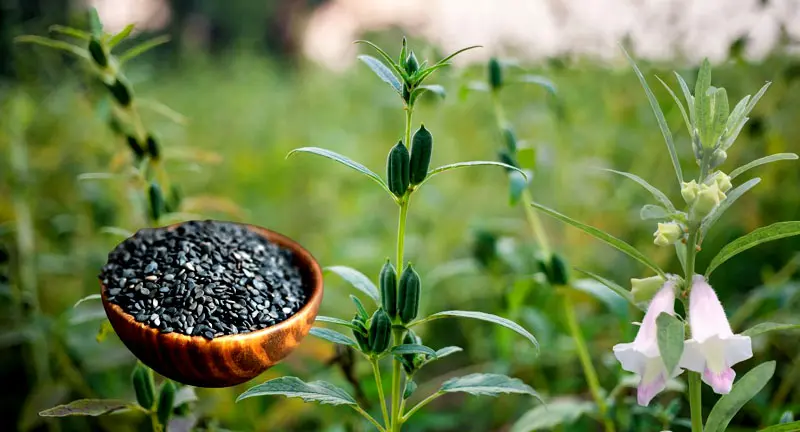
The sesame plant (Sesamum indicum) is a short, erect herb growing between 2 to 4 feet tall. It bears oval leaves and delicate tubular flowers that can be white, pink, or pale purple. After flowering, the plant produces pods-each pod containing 50–80 seeds.
When the pods dry, they burst open, scattering the seeds-a phenomenon that inspired the phrase “Open Sesame.” The seeds are then harvested, cleaned, and processed into oil or roasted for culinary use.
Types of Sesame Seeds
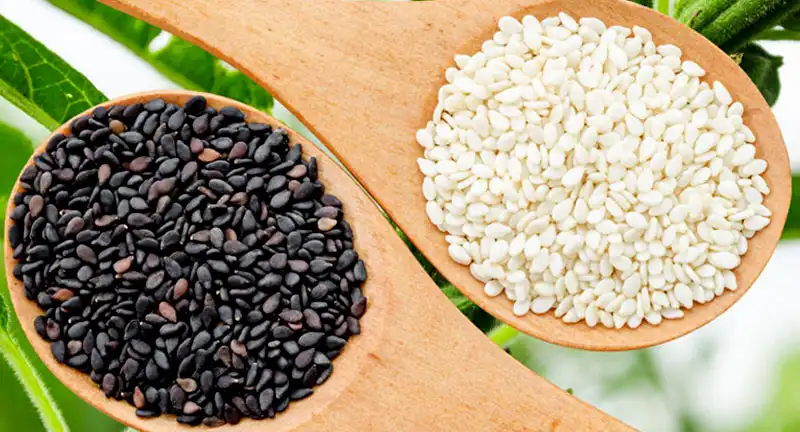
- White Sesame Seeds: Most common variety; mild and nutty flavor. Used in baking, sweets, and as garnish.
- Black Sesame Seeds: Richer in nutrients and antioxidants; used in traditional medicine and desserts in East Asia.
Brown/Red Sesame Seeds: Often pressed for oil due to their high oil content.
Nutritional Profile of Sesame Seeds
Despite their size, sesame seeds are loaded with nutrients essential for good health.
Nutrient (per 100g) | Amount |
Calories | 573 kcal |
Protein | 17 g |
Total Fat | 50 g |
Carbohydrates | 23 g |
Fiber | 12 g |
Calcium | 975 mg |
Iron | 14.5 mg |
Magnesium | 350 mg |
Zinc | 7.8 mg |
Phosphorus | 629 mg |
Vitamin B1 | 0.8 mg |
Vitamin B6 | 0.8 mg |
Vitamin E | 0.25 mg |
Copper | 4 mg |
Manganese | 2.5 mg |
Sesame seeds are particularly noted for their high calcium content, essential for bones and teeth, and magnesium, which supports muscle and nerve function. They’re also a great source of plant-based protein, making them ideal for vegetarian diets.
Like Black Cumin Seeds, sesame has a long history of use in traditional medicine and contains naturally occurring plant compounds that have been studied for their potential health effects.
Health Benefits of Sesame Seeds and Sesame Oil
- Strengthens Bones and Joints
Sesame seeds are rich in calcium, magnesium, and zinc-key minerals that strengthen bones and prevent osteoporosis. Regular intake of sesame powder or oil can ease joint stiffness and enhance flexibility.
- Promotes Heart Health
The monounsaturated fats in sesame oil help reduce bad cholesterol (LDL) while boosting good cholesterol (HDL). The antioxidants sesamin and sesamolin protect arteries from oxidative damage and support overall cardiovascular function.
- Manages Blood Pressure
Sesame’s high magnesium content helps relax blood vessels, lowering blood pressure naturally. Studies show that daily consumption of sesame oil can reduce hypertension in adults.
- Enhances Skin and Hair Health
Sesame oil is rich in vitamin E and essential fatty acids that nourish skin and hair. It is a natural moisturizer, helping to prevent dryness, wrinkles, and sun damage. For hair, sesame oil strengthens roots, reduces dandruff, and promotes shine.
- Improves Digestion
The fiber in sesame supports healthy digestion and prevents constipation. Sesame also promotes bile secretion, aiding fat digestion and liver detoxification.
- Balances Hormones and Supports Women’s Health
Sesame contains phytoestrogens, plant compounds that mimic estrogen. They help relieve menopausal symptoms, support reproductive health, and maintain hormonal balance.
- Boosts Immunity
The presence of zinc, selenium, and copper helps boost white blood cell production, strengthening the immune system and defending against infections.
- Regulates Blood Sugar
Sesame’s low glycemic index and high fiber content stabilize blood sugar levels, making it beneficial for people with diabetes.
- Anti-Inflammatory Properties
Sesame oil contains compounds that reduce inflammation and oxidative stress, beneficial for arthritis, joint pain, and even skin inflammation.
- Promotes Mental Wellness
Sesame is a brain-boosting food. The amino acid tyrosine aids serotonin production, improving mood and reducing anxiety. Regular consumption may enhance memory and focus.
Sesame in Ancient Medicine
Ayurvedic Perspective
In Ayurveda, sesame is considered a “Rasayana,” meaning rejuvenative. It balances Vata and Kapha doshas and promotes strength, vitality, and longevity.
Traditional Ayurvedic Uses:
- Abhyanga (Oil Massage): Daily body massage with warm sesame oil nourishes tissues, improves sleep, and strengthens the nervous system.
- Nasya Therapy: A few drops of sesame oil in each nostril cleanse the sinuses and relieve headaches.
- Oil Pulling: Gargling with sesame oil detoxifies the mouth, strengthens gums, and improves oral hygiene.
- Joint Pain Relief: Sesame oil massage soothes joint inflammation and enhances flexibility.
- Hair Care: Mixed with herbs like amla and bhringraj, it strengthens hair follicles and prevents premature graying.
- Sesame can also be used alongside traditional spices such as Cardamom, which has a long history of culinary and traditional medicinal use.
Traditional Chinese Medicine (TCM)
In TCM, black sesame seeds are used to tonify the liver and kidneys, nourish blood, and slow aging. They are prescribed to:
- Improve energy (Qi) and vitality
- Strengthen bones and muscles
- Enhance memory and vision
- Prevent premature gray hair
Egyptian and Greek Medicine
The ancient Egyptians used sesame oil in cooking, medicine, and beauty care. Greek physicians like Hippocrates recommended it for its “warming” and “moisturizing” nature, beneficial for digestion and skin.
Source and references:General Health & Nutrition References
Harvard Health discusses sesame seeds’ healthy fats and compounds and their potential relationship with cholesterol and blood pressure.Harvard Health – Seed of the Month: Sesame Seeds
Sesame Oil: The Liquid Gold
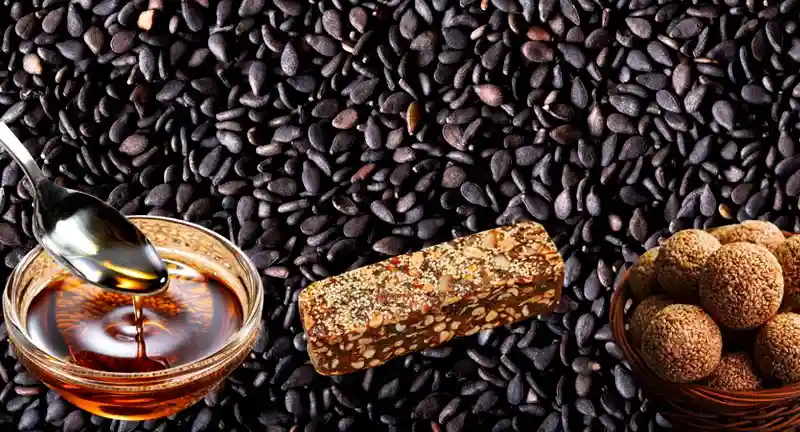
Sesame oil has been called “Queen of Oils” for its exceptional healing properties and stability. The oil is extracted by pressing sesame seeds, and depending on the method, two main varieties are obtained:
- Cold-Pressed Sesame Oil (Gingelly Oil): Light in color and flavor, ideal for cooking and Ayurvedic massage.
- Toasted Sesame Oil: Dark, aromatic, and rich in flavor, commonly used in East Asian cuisine.
Benefits of Sesame Oil
- Lowers cholesterol and blood pressure.
- Moisturizes skin, promoting softness and glow.
- Acts as a natural sunscreen and detox agent.
- Reduces joint pain and muscle tension.
Aids restful sleep when massaged on the scalp and feet.
Culinary Uses of Sesame Seeds and Oil Around the World
Sesame’s delightful nutty taste makes it a favorite ingredient in cuisines across Asia, the Middle East, and Africa. It adds flavor, texture, and nutrition to countless dishes.
- In Indian Cuisine
- Til Ladoo: Sweet balls made from roasted sesame and jaggery, especially during winter and festivals like Makar Sankranti.
- Sesame Chutney (Til Chutney): Ground sesame with coconut and spices enhances South Indian meals.
- Sesame Oil for Cooking: Known as “Gingelly oil,” it’s a staple in Tamil Nadu and Andhra kitchens, used for pickles and curries.
- Sesame Rice (Ellu Sadam): Cooked rice flavored with roasted sesame powder, curry leaves, and spices.
- In Middle Eastern Cuisine
- Tahini: A smooth paste made from ground sesame seeds, forming the base for hummus and baba ganoush.
- Halva: A sweet confection made from sesame paste and sugar, popular in Turkey, Lebanon, and Greece.
Sesame-Crusted Bread: Often sprinkled on pita or bagels for texture and flavor.
- In East Asian Cuisine
- Sesame Noodles: A staple in Chinese and Korean meals, using sesame oil and seeds for flavor.
- Gomaae: Japanese spinach salad dressed with roasted sesame seeds and soy sauce.
- Toasted Sesame Oil: Common in stir-fries, soups, and marinades to enhance aroma.
- In African Cuisine
In African regions, sesame is used in stews and sauces. In Ethiopia, a traditional sesame paste called “Rito” accompanies meat dishes.
- Western and Modern Uses
- Smoothies: Ground sesame adds a nutty flavor and boosts calcium.
- Energy Bars and Granola: Include sesame for crunch and nutrition.
- Salads: Drizzle sesame oil in dressings for a rich aroma.
Bread and Bakery: Sesame seeds are used as toppings on buns, bagels, and crackers.
Growing Sesame at Home
Sesame can be grown easily in warm regions.
Steps to Grow:
- Soil: Choose sandy, well-drained soil.
- Sunlight: Needs 6–8 hours of direct sunlight daily.
- Sowing: Sow seeds after the last frost; keep 6 inches apart.
- Watering: Water moderately; avoid soggy soil.
- Harvesting: Pods turn brown in 90–120 days. Sun-dry pods before collecting seeds.
Growing sesame not only gives you fresh seeds but also helps promote organic living.
Modern Research on Sesame
Scientific studies confirm sesame’s ancient reputation:
- Antioxidant Power: Lignans like sesamin protect cells from oxidative damage.
- Heart Health: Sesame oil helps reduce LDL cholesterol.
- Anti-Cancer Potential: Compounds like sesamol show protective effects against tumor cells.
- Anti-Aging: Regular use delays wrinkles and maintains skin elasticity.
Diabetes Management: Improves glucose metabolism and insulin sensitivity.
For a balanced, nutrient-rich diet, sesame seeds can be combined with foods such as Quinoa, which provides plant-based protein, fiber, and important minerals.
Possible Side Effects and Precautions
- Some people may have sesame allergies, causing rashes or breathing issues.
- Excessive consumption may increase body heat.
- People on blood pressure or diabetes medication should use moderately.
Before applying sesame oil topically, always conduct a patch test.
Conclusion: Unlocking the Power of Sesame
Sesame oil and seeds are ageless natural jewels that offer flavor, nutrition, and healing all in one. Sesame is a true “seed of immortality,” strengthening bones, enhancing complexion, nourishing the heart, and balancing hormones.
Sesame is still essential to natural health and vitality and is used in Chinese medicine, Ayurveda, and everyday cooking.
Discover the power of the phrase “Open Sesame” by including it into your regular meals, massages, and self-care routines.
Frequently Asked Questions (FAQs)
- Can we eat sesame seeds daily?
Yes. Consuming 1–2 tablespoons daily provides healthy fats, minerals, and antioxidants that support heart and bone health. - Is sesame oil good for skin?
Absolutely. Sesame oil deeply moisturizes the skin, delays wrinkles, and protects against sun damage. - What is the difference between black and white sesame seeds?
Black sesame seeds are richer in calcium and antioxidants, while white sesame seeds are milder and commonly used in cooking. - Can sesame seeds help in weight loss?
Yes, their high fiber and protein content promote satiety, reducing hunger cravings. - Is sesame oil suitable for hair growth?
Yes. Regular scalp massage with sesame oil strengthens hair follicles, promotes growth, and prevents dandruff. - What is the best way to use sesame for health?
Use sesame seeds in food and sesame oil for cooking or massage for holistic benefits. - Can diabetics consume sesame?
Yes. Sesame has a low glycemic index and helps improve insulin function.
8. How long does sesame oil last?
Cold-pressed sesame oil can last up to 6–8 months when stored in a cool, dark place.