Murungai (Moringa oleifera): The Miracle Drumstick Tree and Its Powerful Health Benefits
Introduction: The Tree of Life
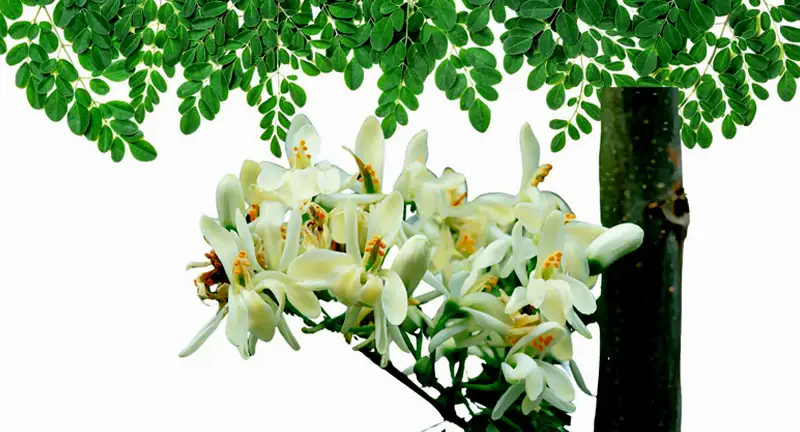
In South India, it’s hard to walk through a neighborhood without seeing a Murungai tree, known globally as Moringa oleifera or simply the drumstick tree. It stands tall and graceful, its leaves fluttering lightly in the tropical breeze. Murungai is not just another plant; it’s a complete nutritional powerhouse that has earned global fame as the “Miracle Tree.” From ancient Ayurvedic texts to modern superfood lists, this humble tree has secured its place as one of the most nutrient-dense plants on Earth.
For centuries, Murungai has been used in traditional Indian, African, and Southeast Asian medicine to treat various ailments ranging from anemia and joint pain to digestive issues and malnutrition. Today, it’s celebrated worldwide for its anti-inflammatory, antioxidant, and immune-boosting properties—making it a true gift from nature.
Medical & Affiliate Disclosure
This content is for informational purposes only and does not constitute medical advice. Always consult a qualified healthcare professional before using any herbal or natural remedies, as the results may depend on the specific area and individual. Some links in this article may be affiliate links, meaning we may earn a commission at no extra cost to you if you purchase them. It will help to improve the website.
Origin and Botanical Background of Moringa Oleifera
Moringa oleifera belongs to the family Moringaceae, a small family of 13 species native primarily to tropical and subtropical regions. The name “Moringa” is derived from the Tamil word “Murungai”, meaning twisted pod, which perfectly describes the long, slender, drumstick-shaped fruit of the tree.
Geographic Origin
Moringa oleifera originated in the foothills of the Himalayas in northern India and later spread to Africa, the Middle East, and Southeast Asia due to its incredible adaptability to different climates. Today, it grows in over 80 countries, thriving even in arid and semi-arid soils where few other plants can survive.
Historical and Cultural Significance
The Moringa oleifera tree has been revered since ancient times:
- In India: Ancient Ayurvedic texts mention Moringa as a cure for over 300 diseases. It was used to enhance immunity, purify blood, and strengthen bones.
- In Egypt: Pharaohs valued Moringa oil for skin protection against desert heat and for cosmetic use.
- In Rome and Greece: The oil was used as a perfume base and healing balm.
- In Africa: Moringa leaves are still used to combat malnutrition due to their rich vitamin and mineral profile.
Because of its immense health value, Murungai is often called the “Tree of Immortality” or “Nature’s Medicine Cabinet.”
Nutritional Value of Moringa Oleifera
Moringa’s true power lies in its astonishing nutritional density. Almost every part of the plant—leaves, pods, seeds, flowers, and even roots—is edible and rich in nutrients.
Macronutrients
- Proteins: Moringa leaves contain about 25–30% protein, including all nine essential amino acids—rare for a plant source.
- Fiber: High in dietary fiber, which supports digestion and bowel health.
- Healthy fats: The seeds and oil contain beneficial fatty acids like oleic acid.
Vitamins
- Vitamin A: Essential for eye and skin health.
- Vitamin C: Boosts immunity and collagen production.
- Vitamin E: Protects cells from oxidative stress.
- Vitamin K: Helps in blood clotting and bone health.
- B-complex vitamins: Support metabolism and nervous system function.
Minerals
- Calcium: Strengthens bones and teeth.
- Iron: Prevents anemia and supports oxygen transport.
- Magnesium & Potassium: Balance electrolytes and maintain heart health.
- Zinc: Boosts immunity and promotes hair growth.
Antioxidants
Moringa oleifera contains several potent antioxidants such as quercetin, chlorogenic acid, and beta-carotene, which help neutralize harmful free radicals.
Comparison with Common Foods
- 7 times more Vitamin C than oranges
- 4 times more Vitamin A than carrots
- 4 times more calcium than milk
- 3 times more potassium than bananas
- 2 times more protein than yogurt
No wonder Moringa oleifera is called a superfood that can easily supplement or even replace several dietary deficiencies.
Like Guava, moringa leaves are rich in vitamins, minerals, and antioxidant compounds that can contribute to a nutrient-dense diet.
Murungai in Ancient Medicine
Ayurvedic Perspective
In Ayurveda, Murungai is classified as “Shigru”, meaning “that which moves like an arrow,” symbolizing its ability to penetrate deep tissues and remove toxins.
It is believed to balance the Vata and Kapha doshas and is used in formulations for:
- Joint pain and arthritis
- Digestive disorders
- Anemia and weakness
- Skin diseases
- Fever and infections
Ayurvedic physicians prescribed Murungai leaf juice or powder for energy enhancement, detoxification, and rejuvenation.
Siddha Medicine
In Siddha medicine, Murungai is a common ingredient in tonics, especially for men’s health, vitality, and energy. It’s said to increase sperm count, purify blood, and support liver health.
Traditional African and Chinese Medicine
In African traditions, Moringa leaves and seeds are used for malnutrition recovery, wound healing, and parasite control. In Chinese traditional medicine, the plant helps regulate blood circulation and lower blood pressure.
Different Parts of the Moringa Tree and Their Uses
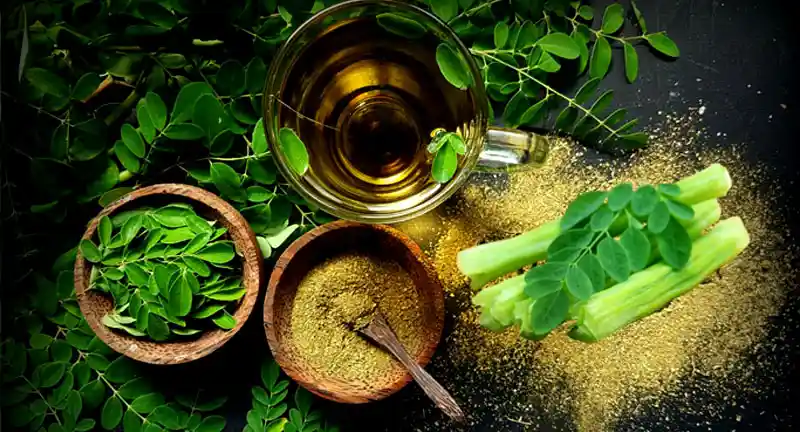
Each part of the Murungai tree has medicinal or nutritional value.
- Leaves
The leaves are the most used part of the plant, rich in vitamins, minerals, and amino acids.
Uses:
- Stir-fried as greens
- Added to soups, dals, or smoothies
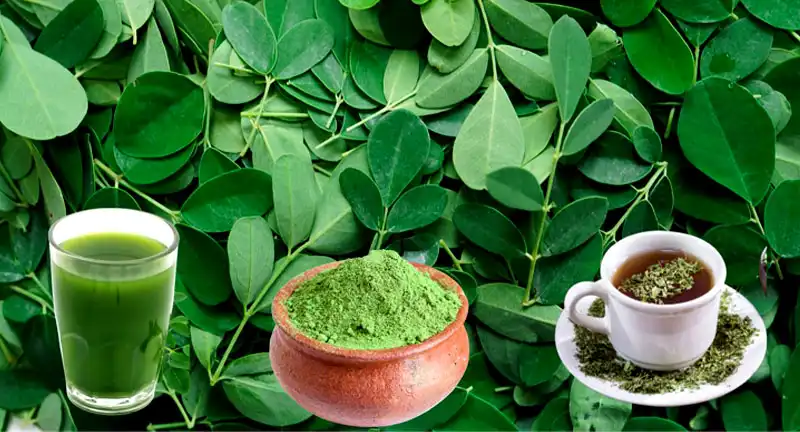
- Dried and powdered for capsules and tea
Benefits:
Boosts immunity, energy, and bone strength.
- Pods (Drumsticks)
Commonly used in South Indian dishes like sambar, kurma, and curries.
Benefits:
Improves digestion, supports joint flexibility, and enhances bone health.
- Seeds
Moringa seeds can be roasted and eaten like peas or pressed to extract Moringa oil (Ben oil).
Benefits:
Promotes healthy skin, detoxifies water, and reduces cholesterol.
- Flowers
Edible and used in traditional dishes.
Benefits:
Helps with urinary tract infections and acts as a natural coolant.
- Roots and Bark
Used in traditional medicine but must be consumed with caution due to alkaloids.
Benefits:
Aid in digestion, act as pain relievers, and are used externally for swelling.
Health Benefits of Murungai (Moringa Oleifera)
- Boosts Immunity
Moringa oleifera is packed with Vitamin C and antioxidants that help the body fight infections and improve natural defense mechanisms.
- Improves Digestion
The high fiber content and anti-inflammatory compounds help ease constipation, gastritis, and ulcer-related discomforts.
- Strengthens Bones
The calcium and phosphorus in Murungai promote bone density, helping to prevent osteoporosis and arthritis pain.
- Controls Blood Sugar
Moringa oleifera contains isothiocyanates, which improve insulin sensitivity and help lower blood sugar levels—beneficial for people with diabetes.
5. Reduces Inflammation
Chronic inflammation is linked to diseases like cancer and heart issues. Moringa’s natural anti-inflammatory agents like quercetin help combat inflammation effectively.
- Lowers Cholesterol
Regular consumption of Moringa leaves or tea helps reduce LDL (“bad”) cholesterol and increase HDL (“good”) cholesterol.
- Enhances Brain Health
The antioxidants and vitamin E in Murungai support memory, concentration, and mental alertness, reducing oxidative stress on brain cells.
- Promotes Healthy Skin and Hair
Moringa oil nourishes the scalp, prevents dandruff, and rejuvenates the skin. Its antibacterial properties help clear acne and slow down aging signs.
- Supports Weight Management
The leaves promote metabolism and reduce cravings, making it helpful for those aiming for natural weight loss.
- Purifies Blood and Detoxifies the Body
Moringa oleifera acts as a natural detoxifier, purifying blood and supporting liver health. It’s often used in detox drinks and herbal formulations.
- Improves Reproductive Health
Traditionally, Murungai is known to boost fertility in both men and women. Its nutrients improve sperm quality and hormonal balance.
- Protects the Liver
Flavonoids and polyphenols protect the liver from oxidative damage, supporting detoxification and metabolism.
- Supports Heart Health
The antioxidants and potassium help maintain healthy blood pressure and reduce heart disease risks.
Moringa in Modern Nutrition and Medicine
In modern health and nutrition, Moringa has taken the spotlight as a superfood supplement.
- Moringa powder is widely available as a nutritional boost for smoothies and juices.
- Moringa capsules and tablets are used for daily supplementation.
- Moringa tea is promoted as an energy and immunity booster.
- Moringa oil is a premium skincare ingredient used in serums and moisturizers.
Scientific Research
Modern research confirms what ancient medicine already knew:
- A 2012 study published in Food and Chemical Toxicology found that Moringa leaf extract has anti-cancer and anti-inflammatory effects.
- Studies also show Moringa’s ability to reduce blood sugar and cholesterol, supporting cardiovascular and metabolic health.
- Moringa is used by NGOs and nutrition programs in Africa to fight malnutrition among children and pregnant women.
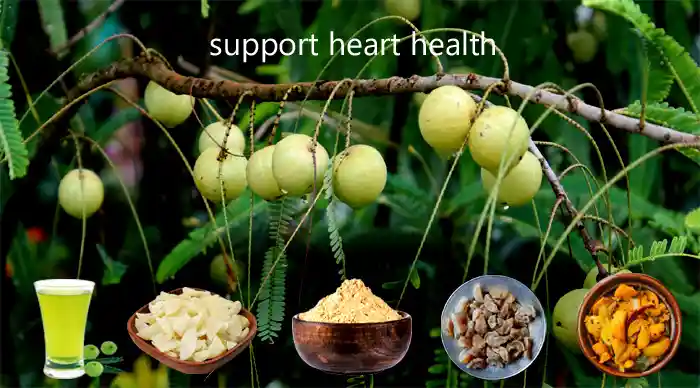
- Moringa can also be compared with Amla (Indian Gooseberry), another nutrient-rich plant traditionally valued for its antioxidant properties and vitamin C content.
Source and References:International Journal of Advanced Research in Medicinal Chemistry – Moringa as Medicinal Plant
PubMed – Exploring the Phytochemical, Pharmacological and Nutritional Properties of Moringa oleifera: A Comprehensive Review
Different Types of Moringa
Though Moringa oleifera is the most famous species, there are several others with regional adaptations:
Type | Common Region | Unique Features |
Moringa oleifera | India, Asia, Africa | Most common type; used in food, medicine, and cosmetics |
Moringa stenopetala | East Africa | Larger leaves; used in soups and traditional medicine |
Moringa peregrina | Middle East | Produces high-quality oil similar to olive oil |
Moringa concanensis | India | Similar to oleifera; grows in dry zones |
Moringa drouhardii | Madagascar | Known for its drought resistance |
Each species carries its own nutritional and medicinal profile, but Moringa oleifera remains the most studied and widely cultivated globally.
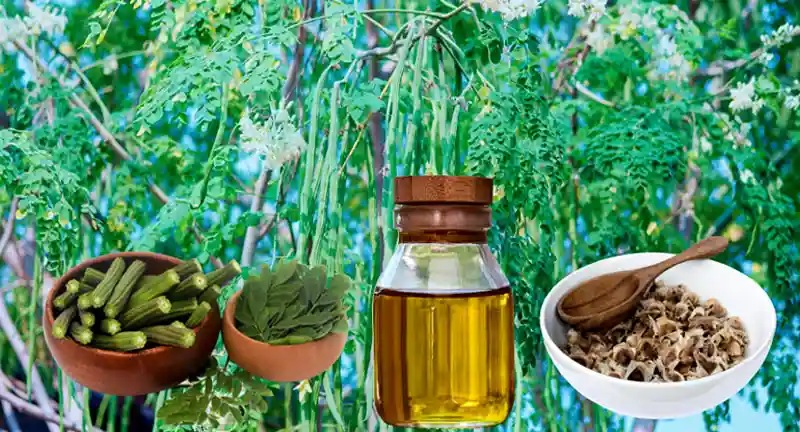
How to Use Moringa Daily
- Fresh Leaves
- Add to soups, salads, or stir-fries.
- Blend into smoothies for an energy boost.
- Dried Leaf Powder
- Mix one teaspoon with warm water or milk daily.
- Add to juices, tea, or baked recipes.
- Moringa Pods
- Cook in curries, sambar, or dal.
- Boil and eat as a vegetable.
- Moringa Tea
- Steep dried leaves in hot water for 5–7 minutes.
- Add honey or lemon for flavor.
- Moringa Oil
- Apply topically for skin and hair nourishment.
Use in cooking for light sautéing (cold-pressed oil only).
Side Effects and Precautions
While Moringa oleifera is generally safe, excessive consumption may cause:
- Mild stomach upset or nausea if taken in large quantities.
- Pregnant women should avoid Moringa root or bark, as it may trigger uterine contractions.
Always consult a physician before starting Moringa supplements if you have medical conditions or are on medications.
Sustainability and Environmental Importance
Moringa oleifera is not only beneficial to humans but also to the planet:
- It grows rapidly with minimal water.
- It enriches soil fertility.
- Its leaves and pods serve as animal fodder.
Moringa trees help prevent soil erosion and support sustainable agriculture.
Murungai in Today’s World
From Indian kitchens to international health stores, Murungai has transformed from a local remedy into a global wellness trend.
It’s featured in protein powders, skincare formulas, and vegan supplements—making it a versatile addition to the modern health-conscious lifestyle.
Celebrities, nutritionists, and athletes are embracing Moringa for its energy-boosting, anti-aging, and detoxifying benefits. Its natural abundance and low cultivation cost make it one of the most sustainable superfoods available today.
For a balanced diet, nutrient-rich foods such as Date Palm can complement moringa by providing natural carbohydrates, dietary fiber, and essential minerals.
Conclusion: Nature’s Gift of Wellness
Murungai, or Moringa oleifera, stands as a timeless symbol of health and vitality. It bridges ancient wisdom and modern science, offering a simple yet profound truth: nature already holds the cure to many of our ailments.
From strengthening the immune system to nourishing the body with essential vitamins, Moringa is a complete health solution hidden in plain sight. Whether enjoyed as fresh leaves, a morning tea, or powdered supplement, Murungai truly lives up to its name as “The Miracle Tree.”
FAQs About Murungai (Moringa Oleifera)
- What is the best way to consume Moringa daily?
You can consume Moringa oleifera as fresh leaves, powder, tea, or capsules. One teaspoon of Moringa leaf powder daily is sufficient for general health. - Is Moringa good for diabetes?
Yes. Moringa contains compounds that help control blood sugar levels naturally. - Can pregnant women take Moringa?
Yes, Moringa leaves are safe in moderation, but roots and bark should be avoided during pregnancy. - Does Moringa help in weight loss?
Yes. Moringa enhances metabolism, reduces appetite, and supports fat breakdown. - How does Moringa benefit skin and hair?
Moringa oil and leaf extract nourish the skin, reduce wrinkles, and strengthen hair follicles. - Can Moringa replace multivitamin supplements?
In many cases, yes. Due to its rich nutritional profile, Moringa provides natural vitamins and minerals equivalent to synthetic supplements.
7. How long does it take to see results from Moringa?
Most people notice improved energy and digestion within 1–2 weeks of consistent use.