Health Benefits of Clove: Nature’s Tiny Powerhouse for Healing and Vitality
The Fragrant Flower Bud of Healing
Syzygium aromaticum, the technical name for clove, is one of nature’s most potent and fragrant spices. Clove, which comes from the stunning Maluku Islands, often known as the “Spice Islands” of Indonesia, has been used for generations as a highly valued culinary ingredient and a powerful natural medicine. This tiny, nail-shaped flower bud has a long history of therapeutic uses, from improving immunity and digestion in contemporary herbal wellness to relieving toothaches in traditional medicine.
More individuals are learning about the health advantages of clove and its amazing potential to enhance general well-being in today’s health-conscious society. Let’s examine its intriguing history, nutritional benefits, therapeutic applications, and the various ways you may include this age-old spice into your everyday routine.
Medical & Affiliate Disclosure
This content is for informational purposes only and does not constitute medical advice. Always consult a qualified healthcare professional before using any herbal or natural remedies, as the results may depend on the specific area and individual. Some links in this article may be affiliate links, meaning we may earn a commission at no extra cost to you if you purchase them. It will help to improve the website.
Origin and History of Clove
Clove trees have their roots deep in the tropical islands of Indonesia. Historically, they were found abundantly in the Moluccas (Maluku Islands), which became known worldwide as the “Spice Islands” due to the abundance of precious spices like clove, nutmeg, and mace.
Ancient traders from Arabia introduced cloves to Europe and India over 2000 years ago. By the 3rd century BC, Chinese emperors demanded that courtiers chew cloves to freshen their breath before addressing the throne. In India, Ayurveda texts described clove as an essential ingredient in natural medicine, used for treating respiratory issues, digestive problems, and oral infections. They known all the benefits of clove
By the 16th century, clove had become one of the most valuable commodities in the spice trade, rivaling gold in its worth. The Portuguese, Dutch, and later the French fought for control over the spice trade routes, which shows just how valuable this little bud was to global civilization.Because of the health benefits of clove.
Botanical Description of the Clove Tree
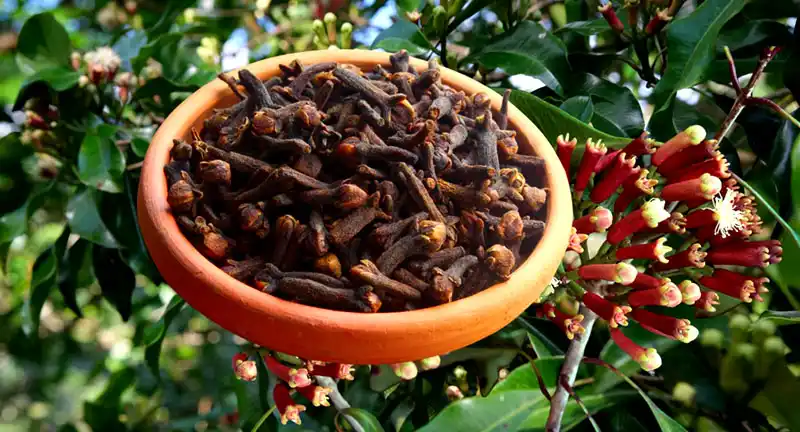
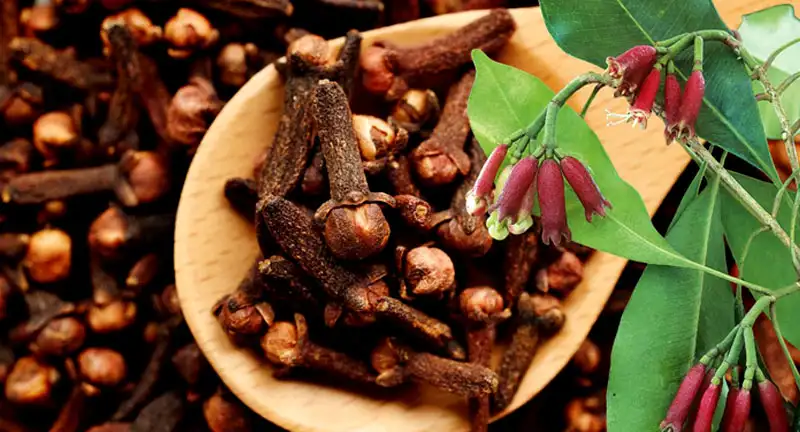
The clove tree (Syzygium aromaticum) is an evergreen tree belonging to the Myrtaceae family. It can grow up to 10–15 meters in height and thrives in warm, humid climates. The tree produces clusters of red flower buds, which are harvested before blooming and then sun-dried to form the dark brown spice we know as cloves.
Each dried clove bud consists of a long calyx topped by four spreading sepals and a ball of unopened petals — the source of its essential oil. The oil is particularly rich in eugenol, a powerful compound that gives clove its characteristic aroma and most of its therapeutic properties.
Nutritional Profile of Clove
Cloves may be small, but they are nutritionally dense. They contain vitamins, minerals, antioxidants, and bioactive compounds that contribute to their impressive health benefits of clove.
Nutrients (per 100g) | Amount |
Energy | 274 kcal |
Carbohydrates | 65 g |
Protein | 6 g |
Fat | 13 g |
Dietary Fiber | 34 g |
Vitamin C | 80 mg |
Vitamin K | 142 µg |
Calcium | 630 mg |
Iron | 11.8 mg |
Magnesium | 260 mg |
Manganese | 60 mg |
Key bioactive compounds: Eugenol, beta-caryophyllene, vanillin, gallic acid, flavonoids, and tannins.
These nutrients and phytochemicals play a vital role in delivering the health benefits of clove, such as boosting immunity, fighting inflammation, and improving digestion.
Cloves are rich in beneficial plant compounds. Another nutrient-rich natural food worth exploring is Halim Seeds (Garden Cress), which are known for their iron, protein, and fiber content.
Health Benefits of Clove
Powerful Antioxidant Protection
Clove is one of the richest natural sources of antioxidants. Its main active compound, eugenol, helps neutralize free radicals in the body, protecting cells from oxidative stress and slowing the aging process. The antioxidant properties of clove also support cardiovascular health and may help prevent chronic diseases such as cancer and diabetes. Know the health benefits of clove
Supports Oral Health and Fresh Breath
One of the most well-known health benefits of clove is its use in dental care. Since ancient times, clove oil has been applied to relieve toothaches, gum pain, and oral infections. Eugenol acts as both an anesthetic and antiseptic, helping to reduce pain and eliminate harmful bacteria in the mouth.
Modern toothpaste and mouthwash often contain clove extract to enhance freshness and fight plaque naturally.
Improves Digestion and Reduces Bloating
Clove stimulates the secretion of digestive enzymes, promoting better absorption and digestion of food. It also helps alleviate issues such as gas, bloating, and stomach cramps. Drinking warm clove tea or adding a few cloves to meals can significantly improve gut health and prevent indigestion.
Strengthens the Immune System
The health benefits of clove extend to boosting immunity. Its antimicrobial and antiviral properties help the body defend against common infections like colds, flu, and sore throats. Regular consumption of clove or clove-infused drinks strengthens your body’s natural defense mechanisms and supports respiratory wellness.
Cloves may help support overall wellness because they contain antioxidant compounds such as eugenol. If you’re interested in other traditional herbs used to support energy and vitality, read our guide on Ginseng Plant Benefits.
Natural Anti-inflammatory Agent
Eugenol in clove exhibits strong anti-inflammatory effects, reducing swelling and pain in the body. It can be especially helpful in managing arthritis, muscle pain, and joint stiffness. Applying diluted clove oil topically or consuming clove tea may offer relief from chronic inflammation. This is the health benefits of clove.
Helps Regulate Blood Sugar Levels
Studies have shown that clove compounds can improve insulin sensitivity and glucose metabolism, making it beneficial for individuals managing diabetes. Including a small amount of clove powder in meals may help stabilize blood sugar and prevent energy spikes.
Promotes Liver Health and Detoxification
The antioxidants and essential oils in clove protect the liver from oxidative damage and enhance its detoxifying function. This is one of the lesser-known yet vital health benefits of clove-supporting liver function for better metabolism and overall vitality.
Enhances Skin and Hair Health
Clove oil has long been used in skincare for its antibacterial and cleansing properties. It helps treat acne, reduce scars, and rejuvenate dull skin. When mixed with a carrier oil, clove oil can also improve scalp circulation and strengthen hair follicles, reducing hair fall. What the super health benefits of clove?
Aids Respiratory Health
In traditional medicine, clove is used as a natural remedy for respiratory conditions such as cough, asthma, and bronchitis. Its expectorant properties help clear mucus, while its antimicrobial nature fights infections in the respiratory tract. Inhaling steam infused with clove oil is an excellent home remedy for congestion relief.
May Help in Weight Management
Clove can enhance metabolism and promote fat burning when combined with a balanced diet. The spice helps regulate blood sugar and reduces appetite, contributing indirectly to weight control. This is another valuable addition to the list of health benefits of clove for modern wellness seekers.
Clove in Ancient Medicine
benefits of clove In Ayurveda
Ayurveda classifies clove as Katu (pungent) and Tikta (bitter), with a heating effect (Ushna Virya). It is believed to balance Vata and Kapha doshas while increasing Pitta. Ayurvedic practitioners have used clove to treat digestive problems, nausea, respiratory diseases, and oral infections for over 5000 years.
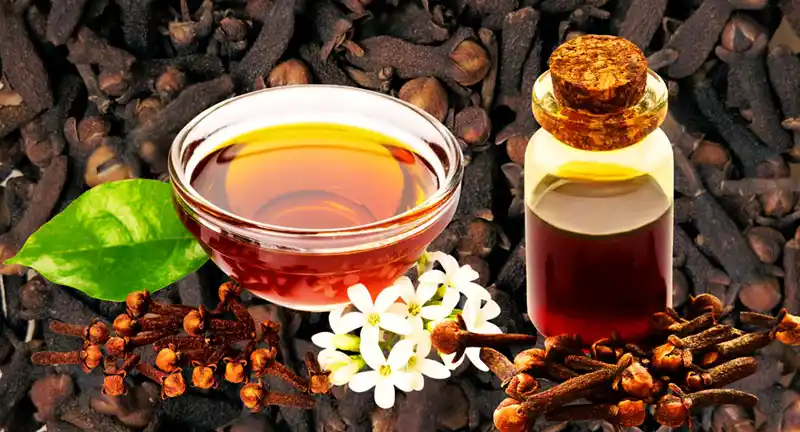
Clove oil was traditionally used to relieve toothache, while clove tea was recommended for colds, fever, and digestive upset.
In Traditional Chinese Medicine (TCM)
In TCM, clove (known as Ding Xiang) is used to warm the middle burner — meaning it helps improve digestive fire and dispel cold. It is often prescribed for hiccups, vomiting, and impotence caused by internal coldness.
In Unani Medicine
Unani healers consider clove a stimulant, carminative, and antiseptic. It is used to enhance sexual vitality, strengthen the stomach, and treat lung ailments. The combination of clove and honey is a well-known tonic in Unani therapy.
Modern Medical and Scientific Uses of Clove
Modern research continues to validate the traditional wisdom about cloves. Scientific studies highlight several therapeutic potentials:
- Antimicrobial: Clove essential oil can destroy bacteria, viruses, and fungi.
- Analgesic: Eugenol acts as a natural pain reliever, especially for dental pain.
- Anticancer: Some laboratory studies suggest that clove extract may inhibit tumor cell growth.
- Hepatoprotective: It supports liver health by reducing oxidative stress.
- Antidiabetic: Clove extracts may help regulate blood glucose and improve insulin production.
Pharmaceutical and cosmetic industries now include clove oil in products like mouthwashes, toothpastes, soaps, and antiseptic creams due to its strong therapeutic profile.
Source and references: WebMD-Cloves: Health Benefits & Uses
PubMed-Pharmacological Properties and Health Benefits of Eugenol: A Comprehensive Review
Different Types and Varieties of Clove
Though the clove species is mainly Syzygium aromaticum, the quality and aroma vary based on cultivation region and processing. Some notable varieties include:
- Zanzibar Clove: Deep brown, aromatic, and oily — known for its strong flavor and high eugenol content.
- Madagascar Clove: Slightly lighter in color and mild in taste.
- Indonesian Clove (Amboyna): Considered premium quality due to high oil content.
- Sri Lankan Clove: Highly fragrant, used in premium culinary blends.
- Indian Clove: Grown in Kerala and Tamil Nadu, popular for domestic and export markets.
All varieties deliver similar health benefits of clove, but their strength of flavor and aroma may differ.
Culinary Uses of Clove
Clove adds warmth, depth, and a spicy sweetness to food. It’s a key ingredient in:
- Garam masala and biryani
- Herbal teas and chai
- Pickles and marinades
- Baked desserts, fruit preserves, and mulled wine
Chewing a single clove after meals aids digestion and freshens breath naturally. In Western cuisine, cloves are often used to flavor meats, stews, and sauces.What a wonderful health benefits of clove.
How to Use the health benefits of clove
- Clove Tea for Digestion
Boil 3–4 cloves in a cup of water, add honey, and drink warm. This tea soothes the stomach and reduces bloating.
- Clove Oil for Toothache
Mix 1 drop of clove essential oil with coconut oil and apply on the affected tooth using a cotton ball. It provides instant pain relief.
- Clove Steam for Cold and Cough
Add a few drops of clove oil to hot water and inhale the steam to clear nasal congestion and ease breathing.
- Clove Water for Immunity
Soak 2–3 cloves overnight in water and drink in the morning to strengthen immunity and boost metabolism.
Precautions and Side Effects
While the health benefits of clove are vast, moderation is essential. Excess consumption or undiluted clove oil may cause mouth irritation, liver stress, or allergic reactions. Pregnant and breastfeeding women should consult a healthcare professional before using concentrated clove oil.
Always dilute clove essential oil before topical application.
Sustainability and Cultivation
Clove cultivation is sustainable and eco-friendly when done traditionally. The trees thrive in tropical climates with organic farming methods. Indonesia remains the world’s largest producer, followed by Madagascar, Sri Lanka, India, and Tanzania.
Conclusion: Embrace the Healing Power of Clove
Clove has been used as a natural remedy for centuries, from the courts of Chinese emperors to the shelves of contemporary health shops. This small spice has enormous potential for lifespan and health since it is rich in eugenol, antioxidants, and essential nutrients.
Clove’s health advantages continue to demonstrate why it is regarded as one of nature’s most precious gifts, whether you use it in your kitchen, medicine cabinet, or beauty regimen. A single, fragrant clove bud may nourish your body, strengthen your immune system, and improve your general vigor when you incorporate it into your daily routine.
Cloves are one of many medicinal plants that have been used in traditional herbal practices around the world. Discover more in our Amazing Herbal Plants guide.
Frequently Asked Questions (FAQs)
- What are the main health benefits of clove?
Clove supports oral health, digestion, immunity, and liver function while acting as an antioxidant and anti-inflammatory agent. - Can I chew clove daily?
Yes, chewing one or two cloves daily can freshen breath, improve digestion, and enhance immunity — but avoid overuse. - Is clove safe during pregnancy?
Small amounts used in food are safe, but concentrated clove oil should be avoided without medical advice. - Can clove help in weight loss?
Clove helps regulate metabolism and appetite, supporting healthy weight management when combined with diet and exercise. - How can I use clove oil safely?
Always dilute clove essential oil with a carrier oil before applying it to the skin or gums.