Health Benefits of Cardamom
Introduction
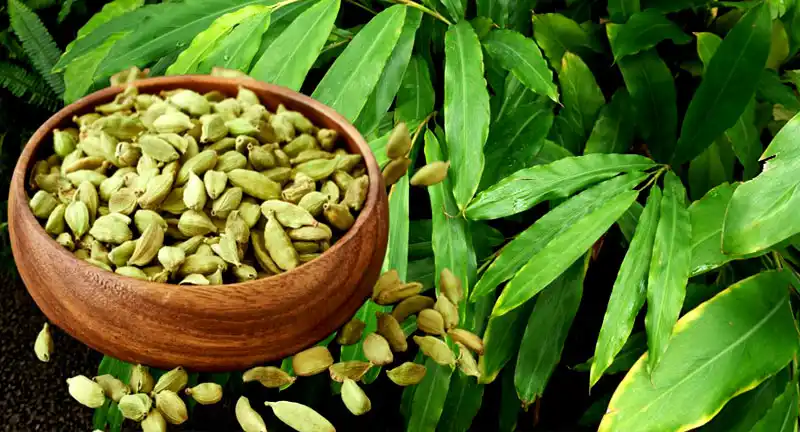
One of the most prized aromatic spices in the world is cardamom, sometimes referred to as the “Queen of Spices.” Cardamom has been prized for thousands of years, not just for its culinary appeal but also for its amazing therapeutic qualities. It is known for its rich aroma and slightly sweet flavor. Cardamom was utilized for digestion, detoxifying, and boosting vitality by ancient societies such as the Greeks, Indians, and Egyptians.
This spice still has a distinct position in herbal medicine, natural health care, and international cuisines today. Cardamom is still a tried-and-true natural treatment, whether it is used in teas, pastries, or to treat gastrointestinal problems.
Medical & Affiliate Disclosure
This content is for informational purposes only and does not constitute medical advice. Always consult a qualified healthcare professional before using any herbal or natural remedies, as the results may depend on the specific area and individual. Some links in this article may be affiliate links, meaning we may earn a commission at no extra cost to you if you purchase them. It will help to improve the website.
Origin and History of Cardamom
Cardamom belongs to the Zingiberaceae family—the same family as ginger. Native to the lush forests of southern India, particularly the Western Ghats of Kerala and Tamil Nadu, it has been cultivated since ancient times. Historical records suggest that cardamom was traded along the Silk Road and was known to the ancient Greeks and Romans, who imported it for perfumes and digestive tonics.
In Sanskrit, cardamom was called “Ela” or “Elaichi”, and it was a common ingredient in Ayurveda, India’s traditional system of medicine. Ancient Ayurvedic texts describe its warming energy, ability to balance the Kapha and Vata doshas, and its use in treating respiratory disorders, mouth ulcers, and digestive issues.
Over time, cardamom cultivation spread beyond India—to Sri Lanka, Guatemala, Indonesia, and Tanzania. Today, Guatemala has become one of the world’s leading producers, though India remains its cultural and historical home.because of Health benefits of Cardamom.
Nutritional Value of Cardamom
Cardamom is not only flavorful but also nutritionally rich. Despite being used in small amounts, it contains a variety of vitamins, minerals, and antioxidants that contribute to overall health.
Nutritional Composition (per 100 grams of cardamom):
- Calories: 311 kcal
- Protein: 10.8 g
- Fat: 6.7 g
- Carbohydrates: 68.5 g
- Dietary Fiber: 28 g
- Calcium: 383 mg
- Iron: 13.97 mg
- Magnesium: 229 mg
- Phosphorus: 178 mg
- Potassium: 1119 mg
- Zinc: 7.47 mg
- Vitamin C: 21 mg
- Vitamin B6: 0.23 mg
- Niacin: 1.1 mg
Cardamom is also rich in essential oils such as cineole, limonene, and terpinene, which give it its distinct aroma and therapeutic effects. These oils contribute greatly to the health benefits of cardamom, including its antimicrobial, antioxidant, and anti-inflammatory actions.
Cardamom in Ancient Medicine
Cardamom’s use in traditional medicine spans across cultures and continents.
- Ayurveda (India)
In Ayurveda, cardamom is described as tridoshic, meaning it balances all three doshas—Vata, Pitta, and Kapha. Ayurvedic practitioners prescribed it to treat:
- Digestive issues like bloating, acidity, and indigestion
- Coughs and colds
- Bad breath and oral infections
- Depression and low energy
Ayurvedic formulations such as Chyawanprash and Triphala sometimes include cardamom for its balancing properties and pleasant aroma.
- Traditional Chinese Medicine (TCM)
In TCM, cardamom (known as Sha Ren) was used to:
- Warm the stomach
- Promote the flow of Qi (energy)
- Relieve nausea and vomiting
- Treat diarrhea and loss of appetite
- Egyptian and Greek Medicine
The ancient Egyptians chewed cardamom seeds to clean their teeth and freshen their breath, while Greek physicians like Hippocrates mentioned its benefits for digestion and respiratory problems.
These early uses show how deeply the health benefits of cardamom were recognized across civilizations.
Different Types of Cardamom
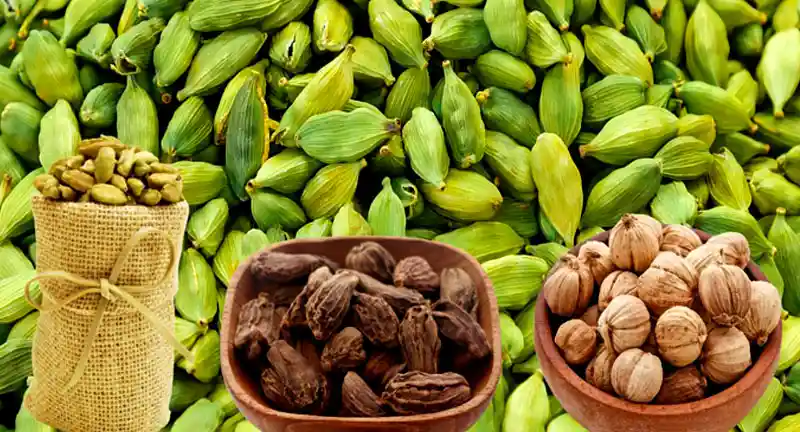
There are several types of cardamom, each with unique characteristics, flavor, and uses.
- Green Cardamom (Elettaria cardamomum)
- The most common and premium variety.
- Known as “true cardamom.”
- Grown mainly in India and Guatemala.
- Used in cooking, desserts, and herbal medicines.
- Has a sweet aroma and slightly minty taste.
- Black Cardamom (Amomum subulatum)
- Larger pods with a smoky flavor.
- Used primarily in savory dishes like curries and biryanis.
- Has strong warming properties and is often used for respiratory ailments.
- White Cardamom
- Bleached version of green cardamom.
- Milder in flavor and aroma.
- Commonly used in European baking and sweet dishes.
- Madagascar and Nepal Cardamom
- These varieties have distinct regional aromas and are used both for culinary and medicinal purposes.
Each type contributes uniquely to the overall health benefits of cardamom, depending on its essential oil concentration and usage.
Top 10 Health Benefits of Cardamom
- Improves Digestion
Cardamom has long been a trusted remedy for indigestion, bloating, and gas. The essential oils stimulate digestive enzymes and reduce stomach discomfort. Drinking cardamom tea after meals helps prevent acidity and heartburn.
The digestive health benefits of cardamom make it a key ingredient in many traditional herbal formulations.
Cardamom is often used with Lemon in traditional home remedies to support digestion and add natural freshness to the diet.
- Supports Heart Health
Cardamom contains antioxidants and fiber that help lower cholesterol levels. Studies suggest that its diuretic and anti-inflammatory effects can reduce blood pressure and support overall cardiovascular health.
Regular consumption of cardamom-infused tea may improve blood circulation and strengthen the heart muscles.what the Health benefits of Cardamom?
- Fights Bad Breath and Improves Oral Health
Chewing cardamom seeds naturally freshens breath. Its antimicrobial oils combat bacteria responsible for bad odor and gum infections.
Ancient Egyptians used it as a natural mouth freshener, a practice still common in India today.
- Aids Respiratory Health
Cardamom’s warming nature helps clear congestion, cough, and asthma symptoms. Its expectorant properties loosen mucus, while cineole, an active compound, improves airflow in the lungs.
This is one of the most recognized health benefits of cardamom in traditional medicine.
- Detoxifies the Body
Cardamom acts as a natural detoxifier. It promotes kidney function and increases urination, helping eliminate waste and toxins from the body.
It also neutralizes excess caffeine and other metabolic waste, cleansing the system gently.
- Enhances Mood and Reduces Stress
The soothing aroma of cardamom has mood-lifting qualities. It helps calm the nerves, reduce anxiety, and improve concentration. In Ayurveda, cardamom oil is used in aromatherapy for stress relief and better sleep.
- Helps in Weight Management
Cardamom boosts metabolism and helps burn stored fat efficiently. Drinking warm water with cardamom powder in the morning is a popular natural method for weight management.
Combined with exercise and a balanced diet, it supports healthy fat metabolism.
- Controls Blood Sugar Levels
Cardamom has been found to enhance insulin sensitivity and regulate blood sugar. The presence of manganese and antioxidants helps balance glucose metabolism, making it beneficial for those with prediabetes.
- Supports Liver Health
The liver is the body’s main detox organ. Cardamom helps protect it from oxidative stress and inflammation.
Its detoxifying health benefits of cardamom extend to promoting bile flow and improving overall liver function.
- Boosts Immunity
Cardamom’s antioxidant and antimicrobial properties help strengthen the immune system. Its essential oils protect the body from infections and support faster recovery from colds and flu. By The above points we can know the Health benefits of Cardamom.
Like Tamarind, cardamom has long been valued in traditional cuisine for supporting healthy digestion and helping relieve occasional digestive discomfort.
Cardamom in Modern Medicine and Research
Modern science has confirmed many traditional uses of cardamom. Research shows that cardamom’s active compounds-such as cineole, terpinolene, and limonene-have antioxidant, anti-inflammatory, antimicrobial, and antispasmodic effects.
In traditional herbal practices, cardamom is often discussed alongside Black Turmeric because both contain beneficial plant compounds with antioxidant properties.
Clinical studies have linked the health benefits of cardamom to:
- Lowering blood pressure in hypertensive patients
- Reducing stress-induced inflammation
- Preventing certain types of cancer (due to its polyphenol content)
- Improving liver enzyme activity and detoxification
Pharmaceutical and nutraceutical industries now include cardamom extracts in supplements for digestive health, detox, and metabolic balance.
Some research suggests cardamom may help support heart health by potentially lowering blood pressure and cholesterol, though more studies are needed.Sources:Medical news today
Culinary and Home Uses of Cardamom
Cardamom’s versatility extends beyond medicine—it’s a culinary treasure.
- Beverages
- Added to Indian chai, Arabic coffee, and herbal teas.
- Used in traditional drinks like lassi and sherbet.
- Desserts and Sweets
- Essential in Indian sweets like kheer, gulab jamun, and payasam.
- Enhances the flavor of pastries, cakes, and custards globally.
- Savory Dishes
- Key spice in biryani, curries, and spice blends like garam masala.
- Pairs beautifully with cinnamon and cloves.
- Home Remedies
- Cardamom tea with honey for sore throats.
- Cardamom and ginger decoction for indigestion.
- Cardamom-infused milk for better sleep.
These simple preparations continue to deliver the health benefits of cardamom in daily life.
Cardamom in Beauty and Skin Care
Cardamom isn’t just good for internal health—it also benefits the skin and hair.
- For Skin: Its antioxidants combat free radicals, delay aging, and keep the skin radiant.
- For Hair: Cardamom oil improves scalp circulation and prevents dandruff.
- Aromatherapy: The refreshing aroma reduces fatigue and rejuvenates the senses.
Face masks containing cardamom powder and honey are used in Ayurvedic skincare to brighten dull skin and cleanse pores naturally.
Possible Side Effects and Precautions
While cardamom is safe for most people, excessive consumption can sometimes lead to:
- Mild allergic reactions
- Gallstone irritation in sensitive individuals
- Increased urination due to its diuretic effect
Pregnant or breastfeeding women should consult a healthcare professional before using large amounts medicinally.
How to Use Cardamom for Maximum Health Benefits
Here are a few simple ways to include cardamom in your daily routine:
- Cardamom Tea:
Boil 2 crushed pods in water, add honey, and drink after meals for better digestion. - Cardamom Water:
Soak pods overnight and drink the water in the morning for detox benefits. - Cardamom Milk:
Add crushed seeds to warm milk with turmeric for a soothing bedtime drink. - Cardamom Powder:
Sprinkle over smoothies, desserts, or oatmeal for flavor and health benefits.
Using these methods regularly enhances the overall health benefits of cardamom and keeps the body balanced naturally.
PubMed Central – Effect of Cardamom Consumption on Inflammation and Blood Pressure: A Systematic Review and Meta-analysis of Randomized Clinical Trials
GoodRx – What Is Cardamom Spice, and Does It Have Benefits for Health?
A medically reviewed overview of cardamom’s traditional uses, possible health benefits, and practical dietary use.
Scientific Evidence and Safety Considerations
The fragrant spice cardamom (Elettaria cardamomum) is frequently utilized in traditional medicine and culinary. According to research, it includes plant substances with anti-inflammatory and antioxidant properties that may improve cardiovascular health, digestive health, and general wellbeing. Although there is currently little proof, certain human clinical studies have shown benefits in blood pressure and inflammatory indicators. To validate these possible health advantages, larger, better clinical trials are required.
Conclusion
Cardamom stands as one of nature’s finest gifts—a spice that pleases the senses and nourishes the body. From ancient Ayurvedic remedies to modern scientific studies, its value as a healing agent remains undeniable.
Whether you’re sipping cardamom tea, adding it to desserts, or using its oil in aromatherapy, you are harnessing centuries of wisdom and the enduring health benefits of cardamom.
In a world increasingly drawn to natural wellness, cardamom continues to shine—reminding us that sometimes, the simplest seeds can hold the greatest healing power.
FAQs about the Health Benefits of Cardamom
1. What are the top health benefits of cardamom?
The main health benefits of cardamom include improving digestion, detoxifying the body, reducing blood pressure, enhancing heart health, and boosting immunity. It also helps fight bad breath, supports respiratory health, and relieves stress naturally.
2. Can I drink cardamom water daily?
Yes. Drinking cardamom water daily is safe and beneficial. It aids digestion, helps flush toxins from the body, and promotes clear skin. Regular use can enhance metabolism and maintain healthy blood sugar levels.
3. How does cardamom help with digestion?
Cardamom stimulates digestive enzymes that break down food efficiently. It reduces bloating, acidity, and gas. That’s why Ayurveda has long used it after meals as a natural digestive remedy.
4. Is cardamom good for heart health?
Absolutely. The health benefits of cardamom extend to the heart as well—it contains antioxidants that lower bad cholesterol and regulate blood pressure. Drinking cardamom tea regularly can improve circulation and strengthen the heart.
5. What is the best way to use cardamom for health?
You can use cardamom in multiple ways—add it to tea, warm milk, or desserts, or chew a few pods after meals. Cardamom tea and cardamom-infused water are the simplest ways to enjoy its health benefits daily.
6. Can cardamom help with weight loss?
Yes. Cardamom improves metabolism, reduces appetite, and helps the body burn fat efficiently. Drinking cardamom tea on an empty stomach can support weight management as part of a balanced diet and exercise plan.
7. Does cardamom have any side effects?
Cardamom is generally safe, but overuse can cause mild irritation or discomfort in people with gallstones. Pregnant women should consult a doctor before taking it in large amounts.
8. Is cardamom good for the skin and hair?
Yes. Cardamom’s antioxidants purify the blood and improve skin radiance. Cardamom oil enhances scalp circulation and helps reduce dandruff, making it a valuable natural beauty ingredient.
9. Which type of cardamom is best for health benefits?
Green cardamom (Elettaria cardamomum) is considered the best type for both culinary and medicinal use. It contains high levels of essential oils and antioxidants responsible for most health benefits of cardamom.
10. How was cardamom used in ancient medicine?
In Ayurveda and Traditional Chinese Medicine, cardamom was used to treat digestive disorders, respiratory congestion, and fatigue. Its warming and aromatic nature made it ideal for balancing body energy and improving vitality.