Plantain Tree (Musa paradisiaca): The Healing and Nutritional Power of the Banana Tree
Introduction
Cultivated for thousands of years, the plantain tree (Musa paradisiaca) is a fascinating tropical plant that is sometimes confused with the banana tree. The plantain, which belongs to the Musaceae family and is prized for its starchy fruits as well as its medicinal, nutritional, and cultural significance, is commonly referred to as the banana tree in many areas. The plantain tree, known as Vazhai Maram in Tamil, is more than simply a food source in South India and other tropical countries. It is frequently employed in ceremonies and traditional medicine as a symbol of fertility and prosperity.
Unlike the sweet banana (Musa acuminata), plantains are larger, starchier, and usually cooked before eating. From its fruits and flowers to its leaves and roots, every part of the plantain tree holds significance in both ancient healing systems and modern wellness practices.
This article explores the fascinating world of the plantain tree, covering its health benefits, nutritional profile, ancient medicinal uses, modern applications, and the different types of this versatile plant.
Medical & Affiliate Disclosure
This content is for informational purposes only and does not constitute medical advice. Always consult a qualified healthcare professional before using any herbal or natural remedies, because the results depend on the area and person. Some links in this article may be affiliate links, meaning we may earn a commission at no extra cost to you if you purchase them. It will help to improve the website.
Origin and History of the Plantain Tree
The plantain tree traces its roots to Southeast Asia and the Pacific Islands, where it was one of the first cultivated crops. Historical evidence suggests that humans began domesticating wild banana and plantain species over 4000 years ago. From there, plantains spread to India, Africa, and Latin America, becoming a staple food in tropical climates.
In ancient India, plantain was regarded as a divine plant in Ayurveda, mentioned in classical texts for its therapeutic properties. It was commonly used to balance Pitta dosha, improve digestion, and purify the blood.
In Africa, plantains became a major source of carbohydrates and were revered for their ability to sustain long periods of physical labor. Meanwhile, in the Caribbean and Latin America, plantains were incorporated into everyday cuisine and traditional medicine, symbolizing abundance and vitality.
Over time, Musa paradisiaca became known as a “tree of life” because every part—fruit, leaf, flower, and even the stem—served a purpose in human life.
Botanical Description of Musa paradisiaca
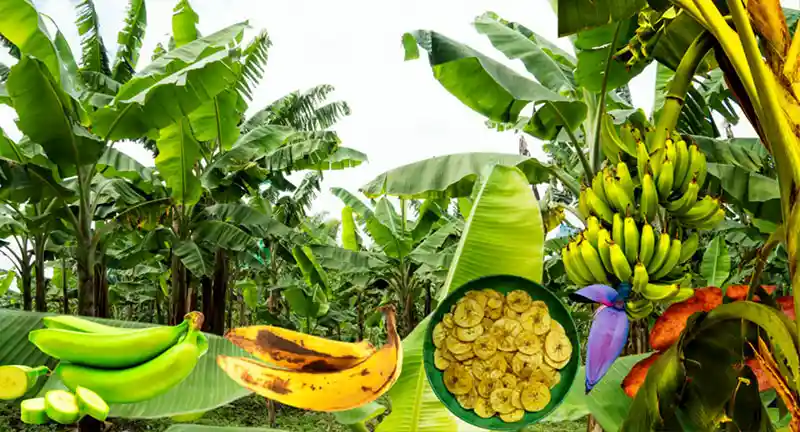
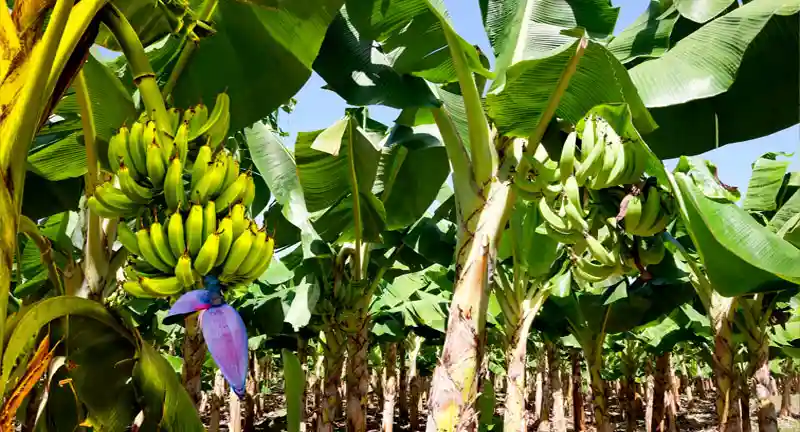
Although often called a “tree,” the plantain is actually a large perennial herb. Its apparent “trunk” is a pseudostem, made from tightly packed leaf bases.
- Scientific Name: Musa paradisiaca
- Common Names: Plantain, Banana Tree, Cooking Banana, Vazhai Maram (Tamil), Kela (Hindi)
- Family: Musaceae
- Native Regions: Southeast Asia, India, and Pacific Islands
- Height: Typically grows between 3–8 meters tall
The plantain tree produces large, paddle-shaped leaves that can reach up to 2.5 meters in length. Its inflorescence, known as the plantain flower or banana blossom, develops into a cluster of fruits called a bunch. Each bunch may contain several hands, and each hand consists of individual fruits (plantains).
Nutritional Value of Plantains
Plantains are highly nutritious and serve as a rich source of energy, dietary fiber, and essential vitamins and minerals.
Nutritional Composition (per 100 grams of cooked plantain):
- Calories: 120 kcal
- Carbohydrates: 31.9 g
- Protein: 1.3 g
- Fat: 0.3 g
- Fiber: 2.3 g
- Vitamin A: 63 µg
- Vitamin C: 18 mg
- Vitamin B6 (Pyridoxine): 0.3 mg
- Magnesium: 32 mg
- Potassium: 499 mg
- Iron: 0.6 mg
Plantains are particularly rich in complex carbohydrates and potassium, making them an excellent source of sustained energy. The high fiber content supports digestive health, while the presence of vitamins A and C enhances immunity and skin health.
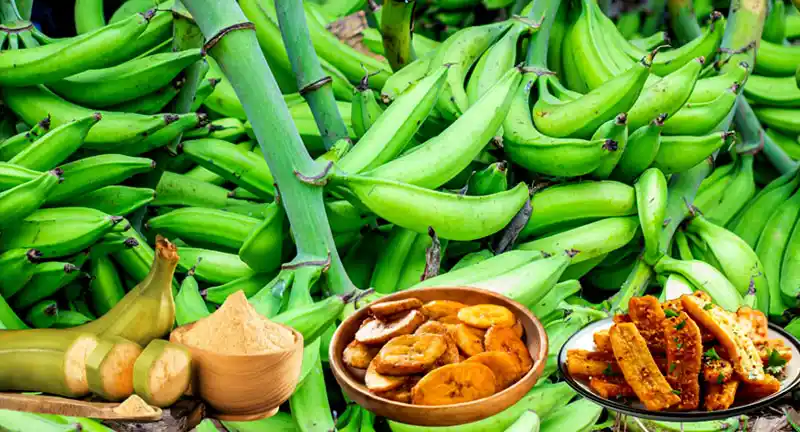
Green (unripe) plantains are rich in resistant starch, beneficial for gut microbiota and blood sugar regulation, while ripe plantains offer more natural sugars and antioxidants.
Like Date Palm, plantains provide dietary fiber, potassium, and other essential nutrients that support a healthy, balanced diet.
Health Benefits of Plantain Tree (Musa paradisiaca)
- Supports Digestive Health
The fiber in plantains aids smooth digestion and prevents constipation. Unripe plantains contain resistant starch, which acts as a prebiotic, feeding beneficial gut bacteria and improving overall digestive balance.
For better digestive health and long-lasting energy, plantains can be included in a balanced diet together with Millets, another nutrient-rich whole grain known for its high fiber content.
- Regulates Blood Sugar Levels
Although plantains are carbohydrate-rich, their resistant starch and fiber slow glucose absorption, helping regulate blood sugar levels. Hence, boiled or roasted green plantains are often recommended for people with diabetes.
- Promotes Heart Health
Plantains are a good source of potassium, a mineral that helps maintain normal blood pressure and heart function. Their magnesium content supports muscle contraction and prevents cardiovascular stress.
- Boosts Immune System
Vitamin C and vitamin A present in plantains act as powerful antioxidants, protecting the body from free radicals, strengthening immune defenses, and supporting skin and mucous membrane health.
- Improves Bone and Muscle Strength
The magnesium and calcium in plantains contribute to bone density and muscle strength. Regular consumption may help prevent conditions like osteoporosis.
- Supports Weight Management
Because they are filling yet low in fat, plantains make an ideal part of a weight management diet. The resistant starch helps improve metabolism and enhances fat oxidation.
- Aids in Anemia Prevention
Plantains provide moderate amounts of iron and folate, helping in red blood cell production and preventing fatigue-related anemia.
- Helps Relieve Ulcers and Gastric Problems
In traditional medicine, plantain pulp and flower extracts are used to soothe gastric irritation and heal ulcers due to their natural anti-inflammatory and mucilaginous properties.
- Improves Skin Health
Plantain peels and pulp are known for their skin benefits. The antioxidants and vitamin E in the fruit promote glowing skin, while mashed plantain is sometimes applied as a natural face mask for acne and wrinkles.
- Promotes Wound Healing
In folk medicine, the juice extracted from the plantain stem or flower is applied to wounds and burns to promote faster healing and prevent infection.
source and references:Healthline – Plantain Nutrition and Health Benefits
Medical News Today – Plantains: Benefits and Nutrition – Explains the nutritional profile of plantains, including fiber, potassium, vitamins, and potential health benefits.
Plantain Tree in Ancient Medicine
Ayurvedic Use
In Ayurveda, Musa paradisiaca is known as a cooling, nourishing, and healing plant.
- Dosha effect: Balances Pitta and Vata doshas
- Properties: Sweet in taste (Madhura rasa), cooling (Sheeta virya), and heavy to digest (Guru guna)
- Uses:
- Treats acidity, ulcers, and diarrhea
- Improves energy and vitality
- Promotes fertility and lactation
- Heals wounds and improves skin tone
The plantain flower is used in Ayurvedic formulations to treat excessive menstrual bleeding (menorrhagia) and to regulate hormonal imbalances in women.
Siddha and Traditional Tamil Medicine
In Siddha medicine, the entire plant is used therapeutically:
- The fruit is used for digestion and energy.
- The flower is boiled and eaten to manage diabetes and enhance women’s health.
- The stem juice acts as a natural diuretic, useful for kidney stones and urinary infections.
- The leaves are antiseptic and used for dressing wounds.
Traditional Chinese Medicine (TCM)
In TCM, plantain is believed to clear heat, reduce phlegm, and promote urination. The dried flower and fruit are used to treat fever, cough, and inflammation.
Modern Medicinal and Culinary Uses
Medicinal Applications
Recent studies have shown that plantains possess antioxidant, anti-ulcer, antidiabetic, and antimicrobial properties. Modern herbalists use plantain extracts and powders in health supplements designed to:
- Improve digestion
- Enhance immunity
- Lower blood sugar levels
- Protect against oxidative stress
Culinary Uses
Plantains are a staple in cuisines across Asia, Africa, and Latin America. Depending on their ripeness, they can be used in various ways:
- Green (Unripe) Plantains: Boiled, steamed, or fried as savory dishes or chips
- Yellow (Semi-ripe) Plantains: Roasted or baked for a mildly sweet taste
- Ripe Plantains: Used in desserts, smoothies, or pancakes
In South India, plantain tree leaves serve as natural, eco-friendly plates for traditional meals. The stem and flower are also consumed as vegetable dishes rich in fiber and antioxidants.
To increase the variety of antioxidant-rich foods in your diet, plantains can be enjoyed alongside Goji Berries, which are well known for their beneficial plant compounds and nutritional value.
Various Types of Plantain trees
There are several cultivated varieties of plantains, differing in size, texture, and flavor. Some notable ones include:
- Green Plantains (Raw Plantain): Firm and starchy, used for savory dishes and chips.
- Yellow Plantains (Ripe Plantain): Slightly sweet and softer, used in desserts and snacks.
- Red Plantain: A rare variety with reddish skin and a sweeter flavor profile.
- Horn Plantain: Large and curved, commonly grown in tropical regions of Africa.
- French and False Horn Types: Popular in Central and West Africa for cooking and frying.
Each type varies slightly in nutritional value but provides similar overall health benefits.
Other Valuable Uses of the Plantain Tree
- Plantain tree Leaves: Used for serving food, steaming fish, or wrapping rice dishes. Their natural antibacterial properties keep food hygienic and aromatic.
- Plantain tree Stem: Its fibrous content aids detoxification and supports urinary health. The juice is a well-known remedy for kidney stones in South India.
- Plantain tree Flower: Rich in iron and flavonoids, beneficial for hormonal balance, menstrual health, and diabetes control.
- Plantain tree Peel: Used in natural skincare; also a sustainable material for producing fiber, animal feed, and biofertilizers.
Cultural and Religious Uses: In Indian rituals, plantain trees are placed at wedding entrances to symbolize prosperity and fertility.
Plantain vs. Banana: What’s the Difference?
Although both belong to the Musa genus, there are distinct differences:
Feature | Plantain (Musa paradisiaca) | Banana (Musa acuminata) |
Taste | Starchy, less sweet | Sweet |
Texture | Firm | Soft |
Usage | Cooked before eating | Eaten raw |
Nutritional Content | Higher in starch, lower in sugar | Higher in sugar |
Culinary Role | Savory dishes | Desserts and snacks |
Plantains are more versatile in traditional medicine and cooking, while bananas are primarily used as a ready-to-eat fruit.
Modern Research on Musa paradisiaca
Scientific research supports many of the traditional uses of the plantain tree. Studies have found:
- Anti-ulcer activity in plantain flower and peel extracts
- Antioxidant and anti-inflammatory effects of plantain pulp and stem juice
- Antidiabetic potential of unripe plantain flour in reducing blood glucose levels
- Antimicrobial properties effective against common bacteria and fungi
These findings reaffirm the plantain’s ancient reputation as a healing plant and highlight its modern pharmacological potential.
How to Incorporate Plantains into Your Diet
Here are a few healthy ways to enjoy plantains:
- Boiled Plantain: A light meal for digestion and energy.
- Grilled or Roasted Plantain: Tasty and heart-healthy, especially with a drizzle of olive oil.
- Plantain Curry or Stir-fry: A traditional South Indian dish rich in flavor and fiber.
- Plantain Smoothie: Blend ripe plantain with milk, honey, and nuts for a nutritious drink.
Plantain Flour: A gluten-free alternative for baking or thickening soups.
Conclusion
Beyond simply being a tropical food plant, the plantain tree (Musa paradisiaca) represents sustainability, healing, and sustenance. This modest plant continues to demonstrate its value as a superfood and natural cure, from ancient Ayurvedic writings to contemporary nutritional studies.
The plantain tree has therapeutic potential in every aspect of it, from its fruits and blossoms to its stem and leaves. The plantain is still a priceless gift from nature, whether it is utilized in contemporary wellness diets for heart and blood sugar health or in traditional medicine for digestive issues and ulcers.
Embracing plantains in your daily diet not only boosts your nutrition but also connects you with a time-tested tradition of natural healing and holistic wellness.
FAQs about the Plantain Tree (Musa paradisiaca)
- What is the difference between plantain and banana?
Plantains (Musa paradisiaca) are starchier and less sweet than bananas (Musa acuminata). They are usually cooked before eating, while bananas are eaten raw. Plantains are higher in complex carbohydrates, making them ideal for savory dishes, whereas bananas are used mostly for desserts and snacks.
- Can plantain help lower blood sugar levels?
Yes. Green (unripe) plantains contain resistant starch and dietary fiber, which slow down glucose absorption and improve insulin sensitivity. Regular consumption of boiled or roasted plantains in moderation can help manage blood sugar levels, especially in diabetic individuals.
- Are plantains good for digestion?
Absolutely. The fiber in plantains promotes bowel regularity, supports gut health, and prevents constipation. Unripe plantains act as prebiotics, feeding beneficial gut bacteria and improving overall digestive balance.
- What are the medicinal uses of plantain flower?
The plantain flower is highly valued in Ayurveda and Siddha medicine for its ability to:
- Regulate menstrual flow
- Support hormonal balance
- Help manage diabetes
- Boost hemoglobin levels due to its high iron content
It can be cooked as a curry or boiled and eaten with spices and grated coconut.
- What nutrients are found in plantains?
Plantains are rich in potassium, magnesium, vitamin C, vitamin A, vitamin B6, iron, and fiber. They provide slow-release carbohydrates for sustained energy and are low in fat, making them an excellent part of a balanced diet.
- Can plantain tree stem juice really help with kidney stones?
Yes, in traditional Indian medicine, plantain stem juice is considered a natural diuretic and detoxifier. It promotes urine flow, helps flush toxins, and may assist in the management of kidney stones and urinary infections.
- Are plantain leaves safe for cooking and serving food?
Yes. Plantain tree leaves are completely safe, biodegradable, and even beneficial when used to serve or wrap food. They contain natural antioxidants and antibacterial compounds that help keep food fresh and hygienic.
- How is plantain used in skincare?
Both the pulp and peel of plantain contain vitamin E, vitamin C, and antioxidants that nourish the skin. Mashed ripe plantain can be applied as a natural face mask to reduce acne, wrinkles, and blemishes. Plantain peel is also used in DIY remedies for minor skin irritations.
- Is plantain good for pregnant women?
Yes, plantains-especially the flower-are rich in iron and folate, which support hemoglobin production and prevent anemia during pregnancy. However, pregnant women should always consult their doctor before making any dietary changes.
- What are the modern applications of plantain in medicine?
Modern studies confirm that Musa paradisiaca possesses antioxidant, anti-inflammatory, antimicrobial, and antidiabetic properties. Plantain extracts and powders are now used in health supplements and natural medicines for improving digestion, boosting immunity, and controlling blood sugar levels.
- Can plantain help in weight loss?
Yes. Boiled or roasted plantains are filling yet low in fat. Their resistant starch helps increase satiety, reduces hunger, and improves metabolism-making them a smart choice for weight management.
- What are some popular plantain recipes?
- Boiled Green Plantain – A simple and healthy meal for digestion
- Plantain Chips – Crunchy snacks made from thinly sliced raw plantains
- Plantain Flower Curry – A nutritious dish used in South Indian cuisine
- Grilled or Roasted Ripe Plantain – A natural dessert rich in flavor and energy
- How can I store plantains properly?
Keep green plantains at room temperature until they ripen (skin turns yellow or black). Once ripe, they can be refrigerated for up to a week. You can also slice and freeze plantains for future cooking.
- Do plantains have any side effects?
Plantains are generally safe when eaten in moderation. However, people with latex allergies should avoid plantain peel or sap, as it may cause mild irritation. Overconsumption of fried plantains can increase calorie intake due to added oil.
- Why is the plantain tree considered sacred in India?
In India, especially in the South, the plantain tree symbolizes prosperity, fertility, and auspicious beginnings. The tree is often placed at wedding entrances and used in festivals. Its leaves, fruits, and flowers are also offered in rituals and temple ceremonies.