Benefits of Garcinia Cambogia: Nutrition, Origin, Ancient Uses, and Modern Applications
Introduction
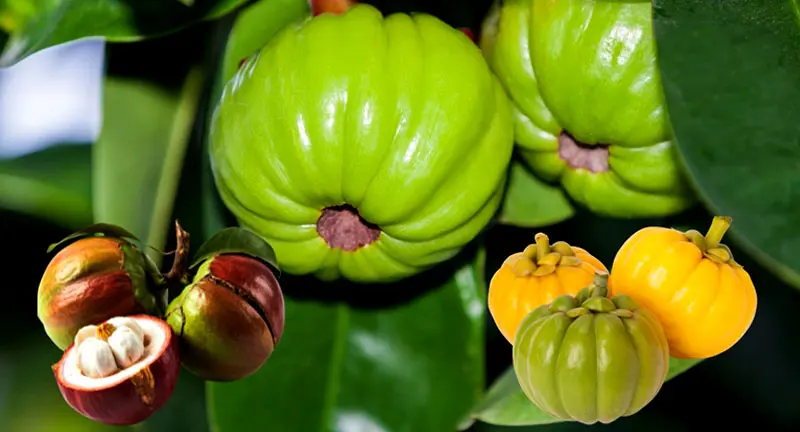
The tropical fruit Garcinia Cambogia has gained international recognition for its exceptional benefits to natural health and weight control. This little, pumpkin-shaped fruit, often called Malabar tamarind, has been utilized for ages in Asian traditional medicine and regional cuisines. Garcinia Cambogia has gained attention in recent decades due to scientific studies and contemporary wellness trends, particularly because of its ability to improve digestion, metabolic health, and weight loss.
Garcinia Cambogia’s advantages go beyond helping people lose weight. This fruit has become one of the most talked-about natural supplements in the wellness sector, with benefits ranging from enhancing digestion and promoting heart health to controlling blood sugar and lowering inflammation.
In this detailed guide, we will explore everything about Garcinia Cambogia-its origin, nutritional value, health benefits, ancient medicinal uses, modern applications, different types, and safety considerations. informative.
Medical & Affiliate Disclosure
This content is for informational purposes only and does not constitute medical advice. Always consult a qualified healthcare professional before using any herbal or natural remedies, because the results depend on the area and person. Some links in this article may be affiliate links, meaning we may earn a commission at no extra cost to you if you purchase them. It will help to improve the website.
Origin and Botanical Background of Garcinia Cambogia
Garcinia Cambogia, scientifically known as Garcinia gummi-gutta, is a member of the Clusiaceae family. It is native to South India, Sri Lanka, Indonesia, Thailand, and Malaysia. The fruit grows on evergreen trees in tropical climates with heavy rainfall.
Historically, Garcinia Cambogia was not cultivated for commercial supplements but was widely used in daily cooking and folk medicine. The rind of the fruit, which is sour and tangy, is the most valuable part. This rind contains Hydroxycitric Acid (HCA), the compound responsible for most of the benefits Garcinia Cambogia is known for today.
In India, especially in Kerala and Karnataka, Garcinia Cambogia has been traditionally used in curries and fish dishes. In Southeast Asia, it is dried and stored for year-round use, showing its importance in both nutrition and preservation.
Garcinia Cambogia in Ancient Medicine
Ayurveda and Traditional Indian Medicine
In Ayurveda, Garcinia Cambogia is known as Vrikshamla. Ancient Ayurvedic texts describe its use for:
- Improving digestion
- Balancing appetite
- Reducing excess body fat
- Supporting liver function
- Treating intestinal parasites
Ayurvedic practitioners believed that Garcinia Cambogia helped balance Kapha dosha, which is associated with weight gain and sluggish metabolism. This belief aligns closely with modern research on the benefits Garcinia Cambogia for weight control.
Traditional Medicine in Southeast Asia
In traditional Thai and Indonesian medicine, Garcinia Cambogia was used to:
- Relieve constipation
- Improve gut health
- Reduce joint pain and inflammation
- Support post-meal digestion
The dried rind was often soaked in water or boiled to make herbal decoctions. These practices show that Garcinia Cambogia was valued long before modern supplements existed.
Nutritional Profile of Garcinia Cambogia
Although Garcinia Cambogia is not consumed in large quantities, it provides valuable nutrients that support overall health.
Nutritional Value (per 100 grams)
- Calories: ~30 kcal
- Carbohydrates: 10 g
- Dietary Fiber: 2–3 g
- Protein: 0.4 g
- Fat: 0.1 g
- Vitamin C: 15–20 mg
- Calcium: 18–22 mg
- Potassium: 140–160 mg
- Hydroxycitric Acid (HCA): 20–30% (in the rind)
The high HCA concentration is what makes the benefits of Garcinia Cambogia unique compared to other tropical fruits.
To support balanced nutrition while managing weight, Garcinia cambogia can be discussed alongside Spirulina Powder, a nutrient-rich superfood valued for its vitamins, minerals, and protein content.

Key Health Benefits of Garcinia Cambogia
Supports Weight Management Naturally
One of the most researched benefits Garcinia Cambogia is its role in weight management. HCA is believed to block an enzyme called citrate lyase, which the body uses to convert carbohydrates into fat.
Additionally, Garcinia Cambogia may help:
- Reduce fat storage
- Increase fat oxidation
- Suppress appetite naturally
This makes it popular among people seeking herbal alternatives for weight control.
Garcinia cambogia is one of the most popular herbal ingredients in weight loss supplements, often included in natural weight management programs alongside a healthy diet and regular exercise.
Many people include Garcinia cambogia alongside Apple Cider Vinegar as part of a healthy weight management routine combined with a balanced diet and regular exercise.
Helps Control Appetite and Cravings
Another major benefit Garcinia Cambogia offers is appetite regulation. According to studies, HCA may raise serotonin levels in the brain. Higher serotonin levels are associated with:
- Reduced hunger
- Lower emotional eating
- Better mood balance
This explains why Garcinia Cambogia is often recommended for people struggling with stress-related overeating.
Improves Digestive Health
Traditionally, Garcinia Cambogia was used to improve digestion. The fruit stimulates digestive enzymes and promotes smoother bowel movements.
Digestive benefits include:
- Reduced bloating
- Improved gut motility
- Relief from mild constipation
These digestive benefits Garcinia Cambogia provides make it useful for overall gut wellness.
Supports Healthy Cholesterol Levels
Several studies indicate that Garcinia Cambogia may help lower:
- LDL (bad cholesterol)
- Triglycerides
At the same time, it may help increase HDL (good cholesterol). This contributes to improved cardiovascular health, making heart protection one of the underrated benefits Garcinia Cambogia offers.
Helps Regulate Blood Sugar Levels
Emerging research shows that Garcinia Cambogia may improve insulin sensitivity and glucose metabolism. This makes it potentially helpful for people with:
- Insulin resistance
- Prediabetes
- Metabolic syndrome
However, it should always be used with medical supervision in diabetic individuals.
Anti-Inflammatory and Antioxidant Properties
The antioxidants present in Garcinia Cambogia help neutralize free radicals. This reduces oxidative stress and inflammation, which are linked to chronic diseases such as arthritis, heart disease, and premature aging.
Supports Liver Health
In traditional medicine, Garcinia Cambogia was used to cleanse the liver. Modern research suggests that moderate doses may help reduce fat accumulation in the liver, supporting detoxification and metabolic health.
Types and Varieties of Garcinia Cambogia
Although commonly grouped under one name, Garcinia Cambogia varies by region and composition.
- Indian Garcinia Cambogia (Malabar Tamarind)
- High HCA content
- Widely used in Ayurveda
- Common in South Indian cuisine
- Indonesian Garcinia Cambogia
- Frequently used in supplements
- Standardized HCA extracts
- Popular in global markets
- Wild Garcinia Species
- Found in Thailand and Malaysia
- Used mainly in local medicine
- Less commercially available
Each type provides similar benefits Garcinia Cambogia is known for, but potency may vary.
Modern Uses of Garcinia Cambogia
Today, Garcinia Cambogia is available in multiple forms:
- Capsules and tablets
- Powdered rind
- Liquid extracts
- Herbal teas
Most commercial supplements are standardized to contain 50–60% HCA, ensuring consistent results.
Scientific Research on Garcinia Cambogia
Clinical studies on Garcinia Cambogia show mixed but promising results. Most research agrees that:
- It supports modest weight loss
- Works best with diet and exercise
- Helps reduce appetite
Researchers emphasize that Garcinia Cambogia is not a magic pill, but a supportive herbal tool.
Sources & References The Healthline.
(NCCIH) : National Center for Complementary and Integrative Health – Garcinia Cambogia
Dosage and Safety Guidelines
Recommended dosage varies depending on HCA concentration:
- 500–1000 mg of HCA
- Taken 30–60 minutes before meals
- 2–3 times daily
Possible Side Effects
- Mild digestive discomfort
- Headache
- Nausea (rare)
People with liver disease, pregnancy, or chronic illness should consult a healthcare professional before use.
Garcinia Cambogia in a Balanced Lifestyle
To maximize the benefits Garcinia Cambogia offers:
- Combine with a balanced diet
- Stay physically active
- Maintain hydration
- Avoid overdosing
Herbal supplements work best when paired with healthy habits.
Conclusion
Garcinia Cambogia is a potent tropical fruit that has a long history in traditional medicine and is becoming more well-known in contemporary wellness. The benefits of Garcinia Cambogia are numerous and well-supported by both tradition and research, ranging from hunger control and digestive health to cholesterol management and antioxidant protection.
Garcinia Cambogia can be a useful supplement to a natural, holistic health regimen when utilized appropriately. Its enduring significance in natural medicine is demonstrated by its passage from ancient kitchens to contemporary supplement aisles.
FAQs About Garcinia Cambogia
1. What are the main Benefits of Garcinia Cambogia offers?
The primary Benefits of Garcinia Cambogia include weight management, appetite control, improved digestion, cholesterol balance, blood sugar support, and antioxidant protection.
2. How does Garcinia Cambogia help with weight loss?
One of the most well-known Benefits of Garcinia Cambogia provides is weight loss support. Its active compound, hydroxycitric acid (HCA), helps block fat production and may reduce appetite by increasing serotonin levels.
3. Is Garcinia Cambogia safe for daily use?
Yes, Garcinia Cambogia is generally safe when used in recommended doses. To experience the Benefits Garcinia Cambogia safely, it is advised to follow supplement guidelines and consult a healthcare professional if you have medical conditions.
4. What nutrients are found in Garcinia Cambogia?
Garcinia Cambogia contains vitamin C, fiber, calcium, potassium, and hydroxycitric acid (HCA). These nutrients contribute to the overall Benefits of Garcinia Cambogia provides for metabolism and digestion.
5. How was Garcinia Cambogia used in ancient medicine?
In ancient Ayurvedic and Southeast Asian medicine, Garcinia Cambogia was used to improve digestion, reduce inflammation, suppress appetite, and support overall health—many of the same Benefits of Garcinia Cambogia is known for today.
6. Can Garcinia Cambogia help reduce cholesterol?
Yes, studies suggest that one of the Benefits of Garcinia Cambogia is its ability to lower LDL (bad cholesterol) and triglycerides while increasing HDL (good cholesterol).
7. What are the different types of Garcinia Cambogia?
There are several regional varieties, including Indian (Malabar), Indonesian, and Thai Garcinia Cambogia. All types offer similar Benefits of Garcinia Cambogia, though HCA concentration may vary.
8. How long does it take to see results from Garcinia Cambogia?
Most people begin noticing the Benefits of Garcinia Cambogia within 4 to 8 weeks when combined with a balanced diet and regular exercise.
9. Are there any side effects of Garcinia Cambogia?
Mild side effects may include digestive discomfort or headaches. Serious side effects are rare when Garcinia Cambogia is consumed responsibly.
10. Who should avoid Garcinia Cambogia?
Pregnant women, breastfeeding mothers, and individuals with liver conditions should consult a doctor before using Garcinia Cambogia to avoid potential risks.