False Daisy (Bhringraj): Complete Guide to Benefits, Nutrition, History, and Uses
Introduction to False Daisy Plant
False daisy, with its scientific names Eclipta prostrata and Eclipta alba, is a potent medicinal herb commonly utilized in traditional medicine practices like Ayurveda, Traditional Chinese Medicine (TCM), and Siddha medicine. This plant, known as Bhringraj in India, is renowned as the “King of Herbs for Hair” due to its remarkable capacity to stimulate hair growth, avert early graying, and enhance scalp health.
In addition to its hair care benefits, It provides numerous health advantages. It is recognized for its role in supporting liver function, improving digestion, bolstering immunity, enhancing brain health, and promoting overall vitality. With its strong healing properties and natural availability, false daisy remains a significant herb in both traditional remedies and contemporary herbal supplements.
In this in-depth guide, you will discover the origin, nutritional value, medicinal properties, traditional and modern uses, safety information, and best ways to use This for maximum health benefits.
Origin and Botanical Background of False Daisy
Natural Habitat and Distribution
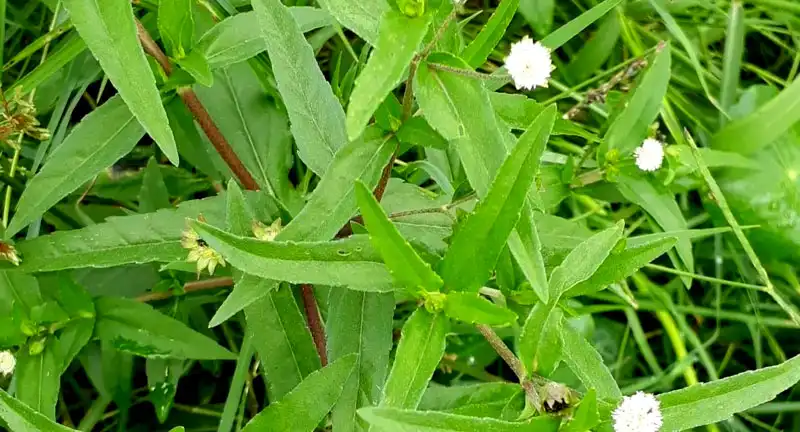
False daisy is a small flowering plant that grows abundantly in tropical and subtropical regions. It is commonly found in India, China, Thailand, Nepal, Sri Lanka, and parts of South America. The plant thrives in moist soil, riverbanks, agricultural fields, and roadside areas.It belongs to the Asteraceae family and grows close to the ground with small white flowers and green leaves. Due to its hardy nature, it grows easily in various climates and is often cultivated for medicinal purposes.
Historical Use Across Cultures
It has been used for thousands of years in Ayurveda as a rejuvenating herb (Rasayana). Ancient Indian texts describe its role in promoting longevity, strengthening hair and eyesight, and detoxifying the liver.
In Traditional Chinese Medicine, it is known as “Han Lian Cao” and is used to nourish yin energy, support kidney health, and cool excess heat in the body. Indigenous communities across Asia have also relied on this herb to treat wounds, infections, and inflammatory conditions.
Nutritional Profile of False Daisy
It contains a variety of bioactive compounds that contribute to its medicinal value. These include:
- Alkaloids
- Flavonoids
- Polyphenols
- Saponins
- Tannins
- Coumestans such as wedelolactone
In addition, false daisy provides essential nutrients such as:
- Iron
- Calcium
- Magnesium
- Potassium
- Vitamin C
- Vitamin A
These compounds work together to provide antioxidant, anti-inflammatory, antimicrobial, and hepatoprotective effects.
Major Health Benefits of False Daisy
Promotes Hair Growth and Prevents Hair Fall
It is best known for improving hair health. It stimulates hair follicles, strengthens roots, and increases blood circulation to the scalp. Regular use of bhringraj oil or paste can reduce hair fall, prevent dandruff, and promote thicker, healthier hair.
Prevents Premature Graying
One of the traditional uses of false daisy is preventing premature graying of hair. Its antioxidant properties help protect hair pigments and nourish the scalp, maintaining natural hair color.
Supports Liver Health
It is widely used as a liver tonic in Ayurveda. It helps detoxify the liver, improve bile production, and protect liver cells from damage caused by toxins and alcohol. It is often recommended for conditions such as fatty liver, hepatitis, and jaundice.
In traditional herbal medicine, False Daisy is sometimes used together with Licorice Root in formulations that support liver health and overall wellness.
Enhances Brain Function and Memory
This herb is considered a brain tonic. It helps improve memory, concentration, and mental clarity. False daisy also supports the nervous system and may reduce anxiety and mental fatigue.
Strengthens Immune System
It contains antimicrobial and immunomodulatory compounds that strengthen the immune system. It helps the body fight infections, reduce inflammation, and improve resistance to seasonal illnesses.
For overall vitality and immune support, False Daisy can be discussed alongside Astragalus, another herb widely valued in traditional herbal systems.
Improves Digestive Health
It supports digestion by stimulating digestive enzymes and improving gut health. It helps relieve constipation, bloating, and indigestion while promoting better nutrient absorption.
Anti-Inflammatory and Pain-Relieving Effects
The anti-inflammatory compounds in false daisy help reduce joint pain, muscle soreness, and swelling. It is often used in herbal formulations for arthritis and inflammatory disorders.
Supports Skin Health
It is beneficial for skin conditions such as acne, eczema, and minor wounds. Its antibacterial and antioxidant properties help cleanse the skin, reduce inflammation, and promote faster healing.
Regulates Blood Sugar Levels
Some studies suggest that false daisy may help regulate blood glucose levels by improving insulin sensitivity. This makes it useful as a supportive herb for people managing diabetes.
Improves Eye Health
In Ayurveda, it is traditionally used to improve vision and reduce eye strain. It is believed to nourish optic nerves and support long-term eye health.
False Daisy in Ancient Medicine Systems
Role in Ayurveda
In Ayurveda, bhringraj is classified as a Rasayana herb, meaning it rejuvenates the body and promotes longevity. It is used to balance Pitta and Kapha doshas, detoxify the blood, and improve vitality. Ayurvedic practitioners use false daisy in oils, powders, and herbal formulations.
Use in Traditional Chinese Medicine
In TCM, false daisy is used to nourish liver and kidney yin. It is commonly prescribed for hair loss, dizziness, weakness, and excessive heat conditions. The herb is also used to cool blood and reduce internal inflammation.
Folk Medicine Practices
Across rural communities, false daisy has been traditionally used to treat wounds, snake bites, fever, and respiratory issues. Fresh leaf juice is often applied externally for skin infections and scalp care.
False Daisy in Modern Medicine and Research
Modern scientific research has validated many traditional claims about false daisy. Studies show that wedelolactone, one of its main active compounds, has hepatoprotective, anti-inflammatory, and antioxidant effects.
Pharmaceutical and nutraceutical companies now include false daisy in herbal supplements, hair oils, capsules, and detox formulations. Ongoing research continues to explore its potential in treating liver disorders, neurological conditions, and metabolic diseases.
How to Use False Daisy
False Daisy Oil
Bhringraj oil is widely used for hair and scalp health. Massage the oil into the scalp two to three times per week to promote hair growth and improve circulation.
False Daisy Powder
The dried leaves can be ground into powder and consumed with warm water, honey, or milk. It is commonly used as a liver tonic and immunity booster.
Fresh Leaf Juice
Fresh false daisy juice is traditionally used for detoxification and digestion. It can also be applied externally to wounds and scalp.
Herbal Tea
Its leaves can be brewed into herbal tea. This tea supports liver function, digestion, and overall wellness.
Capsules and Extracts
Standardized supplements offer a convenient way to consume false daisy daily. They provide consistent dosage and easy absorption.
Recommended Dosage
The appropriate dosage depends on the form used:
- Powder: 1 to 3 grams per day
- Juice: 10 to 20 ml per day
- Capsules: 300 to 500 mg per day
- Oil: External application as needed
It is recommended to consult a healthcare provider before starting long-term supplementation.
Side Effects and Safety Considerations
It is generally safe when used in recommended doses. However, consuming too much could result in moderate stomach pain. Pregnant and breastfeeding women should avoid internal use unless advised by a healthcare professional.
People with existing medical conditions or those taking medications should consult a doctor before using false daisy supplements.
False Daisy for Hair Care and Beauty
It is one of the most popular natural remedies for hair care. It strengthens hair roots, improves scalp health, and adds natural shine to hair. Many commercial shampoos, hair oils, and serums now include bhringraj extract.
It also helps reduce scalp infections, dandruff, and dryness, making it suitable for all hair types.
False Daisy is often combined with Amla (Indian Gooseberry) in traditional Ayurvedic hair care to help nourish the scalp and support healthy hair growth.
Growing and Cultivating False Daisy
It is easy to grow and requires minimal maintenance. It prefers moist soil, moderate sunlight, and warm climates. The plant can be harvested multiple times a year, making it a sustainable medicinal herb for home gardens and commercial farms.
Environmental and Economic Importance
False daisy cultivation provides income to herbal farmers and supports traditional medicine industries. Sustainable harvesting practices help preserve biodiversity and ensure long-term availability of this valuable herb.
Conclusion
False daisy, or bhringraj, is a potent medicinal herb that has been used for ages in traditional medical practices. This herb provides numerous health advantages, including the promotion of hair growth, support for liver health, enhancement of immunity, and improvement of brain function.
As scientific studies increase and contemporary product innovation progresses, false daisy is increasingly acknowledged worldwide as a natural health remedy. False daisy can be a beneficial part of your daily health regimen when it is used responsibly and in appropriate amounts.
No matter if you want to boost your hair health, detox your body, or increase your overall vitality, it is among the most reliable natural healing herbs.
Reference Sources : PubMed – Eclipta prostrata (L.) L. (Asteraceae): Ethnomedicinal Uses, Chemical Constituents, and Biological Activities
- Kew Science – Medicinal Plant Names Services: False Daisy
Confirms the accepted scientific name (Eclipta prostrata) and its medicinal plant classification.
Frequently Asked Questions : About False Daisy (Bhringraj)
1. What is false daisy commonly used for?
It is mainly used for promoting hair growth, preventing premature graying, supporting liver health, improving digestion, and boosting immunity. It is also widely used in Ayurvedic formulations for overall rejuvenation and vitality.
2. Is false daisy safe for daily consumption?
Yes, it is generally safe when taken in recommended doses. However, long-term daily use should be done under the guidance of a healthcare professional, especially for people with medical conditions or those taking medications.
3. Can false daisy help regrow hair naturally?
It is known to stimulate hair follicles, improve scalp circulation, and strengthen hair roots. While results vary from person to person, regular use of bhringraj oil or supplements may support healthier and thicker hair growth over time.
4. Does false daisy help in liver detoxification?
Yes, It is widely recognized as a natural liver tonic. It helps protect liver cells, improve bile secretion, and support detoxification processes. It is commonly used in herbal remedies for fatty liver and mild liver disorders.
5. How long does it take to see results from false daisy?
Results depend on the purpose of use. For hair health, visible improvements may appear within 4 to 8 weeks of regular use. For internal benefits such as digestion and energy levels, some people may notice changes within 2 to 4 weeks.
6. Can false daisy be used for skin problems?
Yes, it has antibacterial and anti-inflammatory properties that help manage acne, eczema, minor wounds, and skin irritation. It can be applied externally as a paste or used in herbal skincare products.
7. Is false daisy suitable for all age groups?
It can be used by adults and older individuals. For children and elderly people, dosage should be adjusted and supervised by a healthcare professional to ensure safety and effectiveness.
8. What is the best form of false daisy to use?
The best form depends on your health goal. Oil is ideal for hair care, powder and capsules are suitable for internal health benefits, and fresh juice is traditionally used for detox and digestion support. Choosing high-quality, organic products ensures better results.