
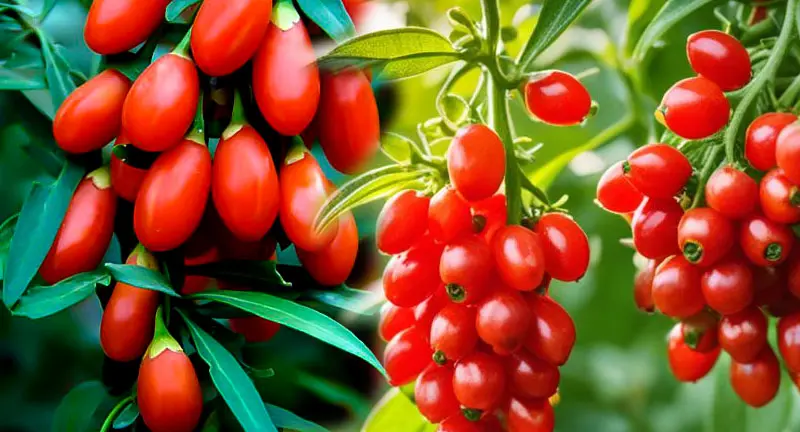
Goji Berries (Wolfberry): Complete Guide to Health Benefits, Nutrition, Origin, and Medicinal Uses
In traditional Chinese medicine and contemporary wellness culture, it, also referred to as wolfberries, are among the most renowned superfoods. These bright red-orange berries have been eaten for more than 2,000 years because of their rejuvenating, immune-boosting, and anti-aging effects. Today, They are acknowledged worldwide as a potent functional food rich in antioxidants, vitamins, minerals, and bioactive substances.
This extensive manual covers all aspects of Goji berries, including their origins, nutritional content, historical medicinal applications, contemporary scientifically verified advantages, safe consumption methods and recommended dosages, and possible adverse effects.
What Are Goji Berries?
It comes from the plants Lycium barbarum and Lycium chinense, which belong to the nightshade family (Solanaceae). They grow on deciduous shrubs native to Asia and produce small oval-shaped berries with a slightly sweet and tangy flavor.
Common Names of Goji Berries
- Wolfberry
- Chinese Goji Berry
- Himalayan Goji
- Red Diamond Berry
- Ningxia Goji
They are widely used in herbal medicine, traditional soups, teas, tonics, and modern health supplements.
Botanical Classification of Goji Berry Plant
- Scientific Name: Lycium barbarum
- Family: Solanaceae
- Plant Type: Perennial shrub
- Height: 1–3 meters
- Fruit Color: Bright red to orange
- Flowering Season: Summer
- Harvest Season: Late summer to autumn
Origin and History of Goji Berries
Ancient Origins
It originated in China, particularly in the Ningxia Hui Autonomous Region, which is considered the highest quality growing area for Goji berries. Historical texts from Traditional Chinese Medicine (TCM) dating back to 200 BCE mention Goji berries as a powerful tonic herb.
They were traditionally used to:
- Nourish the liver and kidneys
- Improve vision
- Strengthen bones
- Enhance vitality
- Promote longevity
Spread Across Asia and the World
From China, Goji berries spread to Tibet, Mongolia, Korea, and eventually to Europe and North America. Today, Goji berries are cultivated in:
- China
- Tibet
- Mongolia
- India
- USA
- Canada,Europe
Nutritional Profile of Goji Berries
They are extremely nutrient-dense. They contain a unique combination of vitamins, minerals, amino acids, and antioxidants.
Nutrition Per 100g Dried Goji Berries
- Calories: 349 kcal
- Protein: 14.3 g
- Carbohydrates: 77 g
- Fiber: 13 g
- Fat: 0.4 g
- Vitamin C: 48 mg
- Vitamin A (Beta-Carotene): High
- Iron: 6.8 mg
- Calcium: 190 mg
- Potassium: 1,132 mg
- Zinc: 2 mg
Unique Bioactive Compounds
- Polysaccharides (LBP – Lycium Barbarum Polysaccharides)
- Zeaxanthin
- Beta-carotene
- Flavonoids
- Phenolic acids
These compounds are responsible for most of Goji berries’ health benefits.
Goji berries are considered a nutrient-dense superfood, similar to Spirulina Powder, which is also valued for its rich antioxidant content and overall wellness benefits.
Top Health Benefits of Goji Berries
Powerful Antioxidant Support
They are rich in antioxidants that fight free radicals and oxidative stress. This helps protect cells from damage and slows down aging.
Benefits include:
- Reduced inflammation
- Improved skin health
- Better immune response
Lower risk of chronic diseases
Boosts Immune System
It strengthen the immune system by increasing white blood cell activity and enhancing antibody production.
Regular consumption helps:
- Prevent infections
- Reduce cold and flu symptoms
Improve overall immunity
Improves Eye Health and Vision
They are one of the richest natural sources of zeaxanthin, a carotenoid that protects the retina.
They help:
- Prevent macular degeneration
- Reduce eye strain
- Improve night vision
Protect against blue light damage
Supports Healthy Skin and Anti-Aging
The antioxidants and vitamin C in Goji berries stimulate collagen production.
Benefits include:
- Reduced wrinkles
- Improved skin elasticity
- Brighter complexion
- Protection from UV damage
To support natural energy and healthy aging, goji berries are often discussed alongside Ginseng, a well-known herb traditionally used to enhance stamina and vitality.
Enhances Energy Levels and Stamina
Traditionally used as a vitality tonic, Goji berries help improve physical endurance and mental clarity.
They support:
- Reduced fatigue
- Increased stamina
- Better focus
Balanced energy levels
Supports Liver and Kidney Health
They are thought to support the liver and kidneys in traditional Chinese medicine.
They help:
- Detoxify the liver
- Improve kidney function
- Protect against fatty liver disease
Support metabolic health
Helps Control Blood Sugar Levels
Studies show that Goji berries can improve insulin sensitivity and stabilize blood glucose levels.
They are beneficial for:
- Type 2 diabetes management
- Preventing sugar spikes
Improving glucose metabolism
Supports Heart Health
It help regulate cholesterol and blood pressure.
Heart benefits include:
- Reduced LDL cholesterol
- Improved blood circulation
- Lower risk of heart disease
Reduced inflammation in arteries
Aids Weight Management
They are low in fat and high in fiber, which promotes satiety and reduces cravings.
They help:
- Control appetite
- Improve metabolism
- Reduce belly fat
Support healthy digestion
Improves Mood and Mental Health
It support neurotransmitter balance and reduce oxidative stress in the brain.
Benefits include:
- Reduced anxiety
- Improved sleep quality
- Enhanced memory
Better emotional well-being
Goji Berries in Ancient Medicine
Traditional Chinese Medicine (TCM)
In TCM, Goji berries are called Gou Qi Zi and are considered a “Yin tonic”.
They were used to:
- Restore vital energy (Qi)
- Improve fertility
- Strengthen bones and joints
- Support longevity
Tibetan Medicine
Tibetan monks used Goji berries in herbal formulas to increase spiritual clarity, meditation focus, and physical strength.
Ayurvedic Influence
Although not native to India, Goji berries share similar uses with Ayurvedic rejuvenation herbs like Ashwagandha and Amla.
Modern Scientific Research on Goji Berries
Modern studies confirm many traditional claims about This berries.
Research highlights include:
- Enhanced immune markers
- Reduced oxidative stress
- Improved lipid profiles
- Better eye health markers
- Increased antioxidant enzyme activity
Clinical trials also show improved energy levels and well-being among regular consumers.
How to Use Goji Berries
- Raw Dried Goji Berries
Eat them as a snack like raisins.
Recommended amount:
20–30 grams per day
- Goji Berry Tea
Add dried Goji berries to hot water.
Benefits:
- Detoxification
- Improved digestion
- Immune support
- Goji Berry Powder
Used in smoothies, juices, and health drinks.
Popular for:
- Protein shakes
- Breakfast bowls
- Herbal tonics
- Goji Berry Capsules
Convenient for daily supplementation.
Ideal for:
- Busy lifestyles
- Controlled dosage
- Long-term use
- Cooking and Recipes
Goji berries are used in:
- Soups
- Rice dishes
- Salads
- Oatmeal,Yogurt bowls
Recommended Dosage
General daily dosage:
- Dried berries: 20–30 grams
- Powder: 1–2 teaspoons
- Capsules: As per product label
Start with small amounts to avoid digestive discomfort.
Side Effects and Precautions
They are generally safe but may cause issues in some individuals.
Possible Side Effects
- Digestive upset
- Allergic reactions
- Headache
- Nausea
Who Should Avoid Goji Berries?
- Pregnant women (consult doctor)
- People on blood thinners
- Diabetic patients on medication
- People with nightshade allergies
Always consult a healthcare provider before starting supplements.
How to Store This Berries
- Store in airtight container
- Keep in cool, dry place
- Avoid moisture
- Refrigerate for longer shelf life
Proper storage preserves nutrients and flavor.
Buying Tips: How to Choose Quality This Berries
Look for:
- Bright red color
- No artificial sweeteners
- Organic certification
- No preservatives
- Soft and chewy texture
Avoid overly hard or faded berries.
Goji Berries vs Other Superfoods
Goji vs Blueberries
- Goji have more protein
- Higher antioxidant diversity
- Better eye-support compounds
Goji vs Amla
- Amla has more Vitamin C
- Goji offers a better amino acid profile
- Both support immunity
For even greater immune support, many people combine goji berries with Amla (Indian Gooseberry), another antioxidant-rich fruit known for its exceptionally high vitamin C content.
Environmental and Sustainable Cultivation
Modern Goji berry farming focuses on:
- Organic practices
- Reduced pesticide use
- Soil conservation
- Water efficiency
Sustainable farming improves product quality and environmental impact.
Final Thoughts: Why You Should Add Goji Berries to Your Diet
More than being a fashionable superfood, They are also Supported by the knowledge of the ancients and contemporary research, they provide remarkable health advantages for immunity, skin, eyesight, cardiovascular well-being, and longevity.
Incorporating This into your everyday life can naturally enhance your energy levels, strengthen your immune system, promote youthful skin, and contribute to overall well-being.
If you are developing a natural health lifestyle or managing a wellness website like wellnessherbo.com, It serve as an excellent plant-based superfood to advocate for holistic living.
Reference Sources :
Comprehensive scientific review covering antioxidants, bioactive compounds, and potential health benefits.PubMed – Goji Berries as a Potential Natural Antioxidant Medicine
A trusted U.S. National Institutes of Health resource for dietary supplement information.NIH Office of Dietary Supplements (ODS)
Frequently Asked Questions (FAQ) About Goji Berries
1. What are Goji berries and why are they considered a superfood?
It, also known as Wolfberries, are small red fruits from the Lycium barbarum plant. They are classified as a superfood because they contain powerful antioxidants, essential vitamins, minerals, amino acids, and unique polysaccharides that support immunity, energy, skin health, and overall wellness.
2. What is the recommended daily intake of Goji berries?
The recommended daily intake of dried Goji berries is 20 to 30 grams (about one small handful). Beginners should start with 10 grams and gradually increase to avoid digestive discomfort. When using powder or capsules, always follow product instructions.
3. What is the best time to eat Goji berries for maximum benefits?
The best time to consume It is in the morning on an empty stomach or with breakfast. This helps improve nutrient absorption and boosts energy levels throughout the day. They can also be consumed in the evening as tea to support relaxation and sleep.
4. Are Goji berries good for eye health and vision?
Yes, they are excellent for eye health because they are rich in zeaxanthin, a carotenoid that protects the retina from damage. Regular consumption may help reduce eye strain, improve night vision, and lower the risk of age-related macular degeneration.
5. Can diabetics eat Goji berries safely?
It may help regulate blood sugar levels by improving insulin sensitivity. However, people with diabetes should consume them in moderation and monitor glucose levels regularly. It is always advisable to consult a healthcare professional before adding This to a diabetic diet.
6. Are Goji berries safe during pregnancy and breastfeeding?
Pregnant and breastfeeding women should consult their doctor before consuming Goji berries. Although they are natural, It may interact with hormones and medications, so professional guidance is recommended for safety.
7. Do Goji berries help with weight loss?
It support weight management by boosting metabolism, reducing appetite, and promoting fat breakdown. Their high fiber and low-fat content help improve digestion and control hunger, making them a healthy addition to weight-loss diets.
8. What are the possible side effects of Goji berries?
They are generally safe when consumed in moderate amounts. However, excessive intake may cause bloating, nausea, headaches, or allergic reactions in sensitive individuals. People taking blood-thinning medications should avoid Goji berries unless approved by a healthcare provider.