Almond Resin (Badam Gum): Nature’s Secret for Healing, Cooling & Vitality
Almond resin, or badam gum, is a natural edible gum from the almond tree. It is rich in fiber, antioxidants, and minerals, and is used in traditional medicine for cooling the body, aiding digestion, improving skin health, and boosting energy.
Introduction
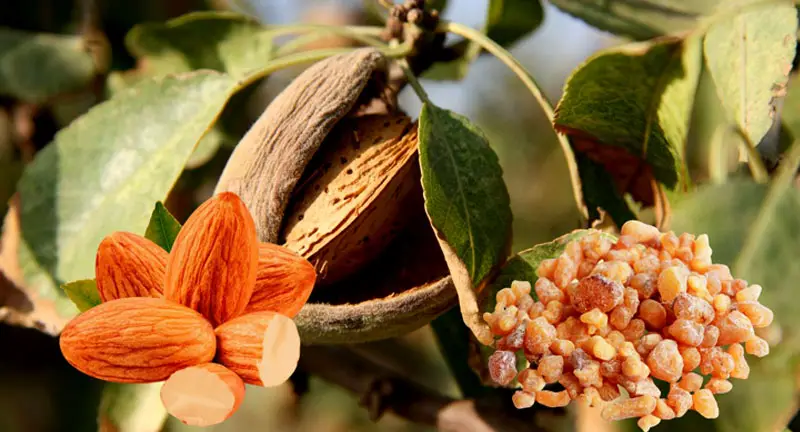
Almond resin, often referred to as almond gum or badam gond, is a natural crystalline substance that oozes from the bark of almond trees (Prunus dulcis) and hardens when exposed to air. It appears as amber-colored lumps or crystals and has been treasured for centuries in traditional medicine systems such as Ayurveda, Unani, and folk remedies across Asia and the Middle East.
While the almond nut is widely popular for its rich nutrition and global culinary uses, almond resin remains less known but equally important. It is not just a by-product of the tree but a potent natural remedy with unique cooling, soothing, and restorative properties. This resin has been used in summer drinks, tonics, desserts, and even skincare applications, making it a versatile health supplement with both medicinal and culinary significance.
This article explores the origin, formation, medicinal properties, nutritional value, benefits, traditional applications, and safe usage of almond resin, expanding on ancient wisdom and modern perspectives.
What is Almond Resin (Gum)?
Almond resin is a natural gum polysaccharide secreted when an almond tree undergoes stress, such as injury to the bark or branches. The exudate is collected, dried, and sometimes ground into a fine powder for use.
When soaked in water, almond resin transforms into a jelly-like substance with a neutral taste. This property makes it easy to incorporate into foods, drinks, and medicinal preparations.
In cultures such as Indian, Iranian, and Middle Eastern traditions, almond gum has been prized as:
- A natural cooling agent during hot summers.
- A digestive aid that soothes the stomach.
A strength-restoring tonic for people recovering from illness, fatigue, or weakness.
Medical & Affiliate Disclosure
This content is for informational purposes only and does not constitute medical advice. Always consult a qualified healthcare professional before using any herbal or natural remedies, as the results may depend on the specific area and individual. Some links in this article may be affiliate links, meaning we may earn a commission at no extra cost to you if you purchase them. It will help to improve the website.
Composition and Nutritional Value
Almond gum is made up of natural carbohydrates, soluble dietary fiber, minerals, and plant-based bioactive compounds. Unlike almonds, which are rich in fats and proteins, the resin is low in calories and fat but high in hydration-supporting elements.
Key Components
- Polysaccharides: Provide soluble fiber, aiding digestion and gut health.
- Trace Minerals: Support hydration, electrolyte balance, and overall vitality.
- Natural Antioxidants: Help fight oxidative stress and inflammation.
- Cooling Agents: Reduce internal body heat and prevent dehydration.
Medicinal Properties of Almond Resin
Traditional texts and modern studies highlight several therapeutic qualities of almond resin:
- Cooling Agent: Reduces body heat and protects against heat strokes.
- Demulcent: Forms a soothing layer over mucous membranes, easing throat and stomach irritation.
- Digestive Aid: Helps bowel movement and promotes gut health.
- Antioxidant: Protects cells from oxidative stress.
Restorative Tonic: Boosts strength, stamina, and overall vitality.

Digestive Health
Almond gum has mild laxative properties. When dissolved in water, it forms a jelly-like mixture that helps in relieving constipation and promoting smoother bowel movements. Its high fiber content also aids digestion and improves gut health.
Cooling and Hydration
In traditional medicine, almond gum is used as a cooling agent during hot summers. It helps lower body heat, prevents dehydration, and supports electrolyte balance, making it beneficial for people living in warm climates.
Respiratory Relief
Because of its demulcent properties, almond resin soothes the respiratory tract. It is often used in traditional remedies for cough, sore throat, and bronchial irritation.
Skin Health
Almond gum has moisturizing and healing effects. It is sometimes applied in natural skincare preparations to soothe inflammation, dryness, and minor wounds. Its antioxidant compounds help protect the skin from premature aging.
Energy and Vitality
In Ayurveda, almond resin is considered a natural tonic that strengthens the body, improves stamina, and combats fatigue or weakness. It is commonly consumed by mixing the gum in water or milk for a restorative drink.
Weight Management
Due to its high soluble fiber content, almond gum creates a feeling of fullness when consumed. This may help in appetite control and support healthy weight management.
Blood Sugar Regulation
Preliminary studies suggest that almond gum may help regulate blood glucose levels by slowing down carbohydrate absorption. This makes it beneficial for individuals with diabetes when used in moderation.
Immunity and General Wellness
Rich in antioxidants and nutrients, almond gum strengthens immunity, making the body more resilient to seasonal changes, infections, and stress.
Culinary and Traditional Uses
Traditional Preparations
- Summer Sherbets & Drinks: Soaked almond gum is commonly added to lemon water, rose water, or herbal syrups.
- Milk-based Tonics: Mixed with warm milk to boost strength, stamina, and recovery.
- Sweets & Desserts: Incorporated into Indian sweets like laddoos, halwa, and puddings for texture and health benefits.
- Smoothies & Herbal Drinks: Added to fruit or herbal blends for enhanced nutrition.
Regional Uses
- In India, almond gum is widely used during summer in drinks like badam gond sharbat.
- In Iran and the Middle East, it is added to traditional cooling desserts and syrups.
In folk remedies, it is prepared with spices such as cardamom or saffron for enhanced therapeutic effects.
How to Use Almond Resin Safely
- Soaking: Always soak almond resin in clean water for 6–8 hours until it forms a jelly-like substance.
- Dosage: A typical dose is 5–10 g daily.
- Combinations: Best consumed with milk, rose water, or herbal infusions.
- Precautions:
- Excessive intake may cause bloating or digestive discomfort.
- People with nut allergies should avoid it.
Consult a doctor before use if you have chronic medical conditions.
Cultural and Historical Significance
Almond resin has held cultural importance for centuries:
- In Ayurveda, it is described as a rasayana (rejuvenating substance).
- In Unani medicine, it is recommended as a cooling, strengthening, and nerve-calming remedy.
- Folk healers across India and the Middle East still prescribe almond resin for postpartum recovery, summer heat, and digestive troubles.
Its enduring role in traditional practices highlights how natural remedies continue to remain relevant in modern times.
Source and references: India TV News-Health Benefits of Almond Resin
Conclusion
Almond resin (badam gum) is a natural health supplement that combines medicinal, nutritional, and culinary value. From cooling the body in summer to supporting digestion, immunity, and overall strength, this ancient remedy continues to hold significance in modern wellness practices.
Incorporating almond resin into drinks, tonics, and desserts is a simple way to bring ancient wellness practices into modern living. Safe, natural, and versatile, almond gum is truly a hidden treasure of the almond tree.