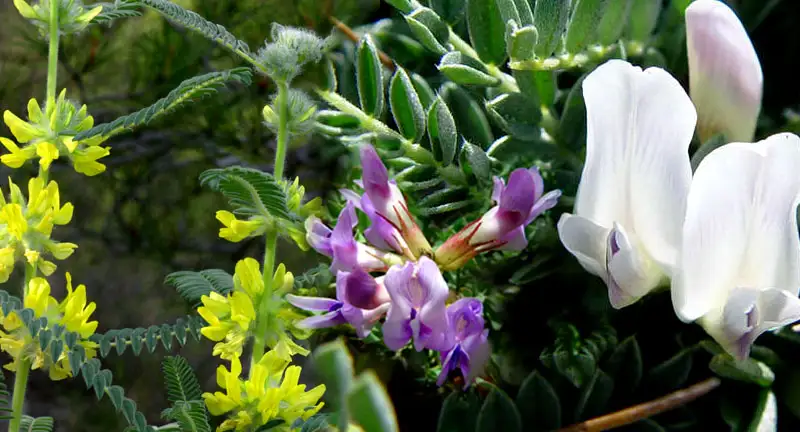
Astragalus Plant: Powerful Health Benefits, Nutrition, Ancient Medicine Uses & Modern Healing Guide
Astragalus (Astragalus membranaceus), commonly referred to as Huang Qi in Traditional Chinese Medicine (TCM), is renowned globally as one of the most esteemed medicinal herbs. Astragalus, widely recognized as the “Protector Herb,” has a history of use spanning thousands of years for bolstering immunity, enhancing vitality, supporting cardiovascular health, and fostering longevity. Today, it is commonly found in contemporary dietary supplements, herbal infusions, capsules, and formulations designed to enhance immunity.
This comprehensive guide will reveal astragalus’s origins, its nutritional makeup, health benefits, historical medicinal applications, contemporary scientific uses, recommended dosage, safety precautions, and effective ways to utilize this potent adaptogenic herb
What Is Astragalus Plant?
Astragalus plant is a type of perennial flowering plant that is part of the Fabaceae (legume) family. There are more than 2,000 species globally, but Astragalus membranaceus and Astragalus mongholicus are the primary medicinal varieties used in herbal medicine.
The medicinal part is the root, which is harvested after the plant matures for four to five years. The dried root is yellowish, fibrous, slightly sweet in taste, and rich in bioactive compounds.
Astragalus plant is classified as an adaptogen, meaning it helps the body adapt to stress, restore balance, and improve overall resilience.
Origin and History of Astragalus
Ancient Chinese Roots
Astragalus plant has been used in Traditional Chinese Medicine for more than 2,000 years. It was first documented in the ancient herbal text Shennong Ben Cao Jing, where it was categorized as a superior tonic herb.
In Chinese culture, astragalus was believed to:
- Strengthen Qi (life energy)
- Protect against disease
- Improve stamina
- Support longevity
Spread to Other Civilizations
Over time, astragalus spread beyond China into:
- Mongolia
- Korea
- Russia
- Middle Eastern regions
- Europe
Today, astragalus is cultivated commercially and used globally in herbal supplements and natural health products.
Botanical Characteristics of Astragalus Plant
Astragalus is a hardy plant that thrives in temperate climates. It features:
- Feather-like green leaves
- Small yellow flowers
- Deep-growing medicinal roots
- Bushy growth pattern
The plant is drought-resistant and grows best in well-drained soil with full sunlight.
Nutritional Profile of Astragalus Root
Astragalus plant is not consumed as a regular food but offers a powerful nutritional composition when used medicinally.
Key Bioactive Compounds
Astragalus contains:
- Polysaccharides
- Flavonoids
- Saponins (Astragalosides)
- Amino acids
- Trace minerals
- Antioxidants
Important Nutrients Present
- Iron
- Zinc
- Selenium
- Magnesium
- Calcium
- Vitamin B compounds
These nutrients contribute to immune function, energy production, and cellular protection.
Nutritional Profile of Astragalus Root
Astragalus plant is not consumed as a regular food but offers a powerful nutritional composition when used medicinally.
Key Bioactive Compounds
Astragalus contains:
- Polysaccharides
- Flavonoids
- Saponins (Astragalosides)
- Amino acids
- Trace minerals
- Antioxidants
Important Nutrients Present
- Iron
- Zinc
- Selenium
- Magnesium
- Calcium
- Vitamin B compounds
These nutrients contribute to immune function, energy production, and cellular protection.
Supports Heart Health
Astragalus benefits cardiovascular function by:
- Improving blood circulation
- Reducing inflammation
- Supporting healthy blood pressure
- Protecting heart muscle cells
It may help reduce risk factors associated with heart disease when used consistently.
Enhances Respiratory Health
Astragalus is traditionally used to strengthen lung function.
It helps:
- Improve breathing capacity
- Reduce asthma symptoms
- Protect against respiratory infections
- Soothe chronic cough
Many herbal lung tonics include astragalus root extract.
Supports Kidney Function
Astragalus has protective effects on kidney tissues.
Research shows it may:
- Reduce protein loss in urine
- Improve kidney filtration
- Support patients with mild kidney disorders
- Reduce oxidative stress in renal cells
Anti-Aging and Longevity Benefits
Astragalus contains compounds that may activate telomerase enzymes, which protect DNA and slow cellular aging.
Benefits include:
- Reduced oxidative damage
- Improved skin elasticity
- Enhanced cellular repair
- Support for healthy aging
This has made astragalus popular in longevity supplements.
Improves Blood Sugar Control
Astragalus plant may support metabolic health by:
- Improving insulin sensitivity
- Lowering fasting blood sugar levels
- Supporting pancreas function
It may benefit individuals with prediabetes or metabolic syndrome when used responsibly.
Supports Digestive Health
Astragalus strengthens digestive Qi according to TCM.
It helps:
- Improve nutrient absorption
- Reduce bloating
- Strengthen gut immunity Balance gut flora
Anti-Inflammatory Properties
Astragalus plant reduces inflammation markers in the body.
This helps with:
- Joint discomfort
- Muscle soreness
- Chronic inflammatory conditions
- Tissue healing
Improves Skin Health
Astragalus supports skin repair and collagen production.
Benefits include:
- Reduced wrinkles
- Improved skin tone
- Faster wound healing
Protection against environmental damage
Astragalus plant in Ancient Medicine
Traditional Chinese Medicine Applications
In TCM, astragalus is used to:
- Strengthen Wei Qi (protective energy)
- Treat weakness
- Support recovery from illness
- Prevent seasonal diseases
It is commonly combined with herbs such as ginseng, licorice, and ginger.
Ayurvedic Influence
Although astragalus is not native to Ayurveda, its adaptogenic properties are similar to herbs like Ashwagandha and Shatavari. Modern Ayurvedic practitioners sometimes incorporate it for immune support.
Astragalus in Modern Medicine
Today, astragalus is widely used in:
- Immune supplements
- Energy boosters
- Anti-aging formulas
- Herbal teas
- Capsules and tinctures
Modern research supports its effects on immunity, inflammation control, and cardiovascular health.
Hospitals in China also use astragalus extracts as supportive therapy during chemotherapy to reduce side effects and improve immune recovery.
How to Use Astragalus Plant
Astragalus can be consumed in multiple forms.
Astragalus Root Tea
How to prepare:
- Add 1–2 teaspoons dried root slices
- Boil in water for 15 minutes
- Strain and drink
Benefits: Boosts immunity and energy.
Astragalus Powder
Can be added to:
- Smoothies
- Soups
- Herbal drinks
Dosage: 500–1000 mg daily.
Capsules and Tablets
Convenient option with standardized dosage.
Typical dosage: 500–1500 mg per day.
Liquid Extract and Tincture
Fast absorption and higher potency.
Dosage: 20–40 drops daily.
Recommended Dosage of Astragalus
General guidelines:
- Preventive use: 500–1000 mg daily
- Immune support: 1000–2000 mg daily
- Tea: 1–2 cups daily
Always consult a healthcare professional before starting long-term supplementation.
Safety and Side Effects of Astragalus plant
Astragalus is generally safe when used properly.
Possible Side Effects
- Mild digestive discomfort
- Headache (rare)
- Allergic reaction (rare)
Who Should Avoid Astragalus?
- Pregnant women
- Autoimmune patients
- Organ transplant recipients
- People on immunosuppressive drugs
Always consult a doctor if you have existing medical conditions.
Astragalus plant Cultivation and Farming
Astragalus grows best in:
- Well-drained sandy soil
- Moderate climate
- Full sunlight
Harvesting occurs after 4–5 years when roots contain maximum medicinal compounds.
China remains the largest producer of medicinal-grade astragalus root.
Astragalus vs Ginseng
Both herbs are powerful adaptogens.
Feature | Astragalus | Ginseng |
Primary Benefit | Immunity | Energy |
Taste | Mild sweet | Bitter-sweet |
Best Use | Prevention | Performance |
Price | Affordable | Expensive |
Many herbal formulas combine both for synergistic benefits.
Astragalus plant in Herbal Supplements Market
Astragalus is now included in:
- Immune defense formulas
- Anti-aging capsules
- Sports recovery blends
- Stress management supplements
Its global demand continues to grow due to rising interest in natural wellness.
Conclusion: Why Astragalus plant Is a Powerful Herbal Medicine
Astragalus plant is recognized as one of the most potent medicinal plants in both traditional and contemporary herbal medicine. Astragalus is increasingly recognized worldwide for its immune-boosting properties, cardiovascular support, anti-aging benefits, and adaptogenic qualities.
Astragalus plant provides a natural means to enhance vitality, resilience, and overall wellness, whether it is consumed as tea, capsules, or extract. This ancient herb can serve as a valuable component of long-term health maintenance when used responsibly and in conjunction with a healthy lifestyle.
Frequently Asked Questions About Astragalus Plant
1. What is astragalus plant mainly used for?
Astragalus plant is mainly used to strengthen the immune system, increase energy levels, support heart and kidney health, improve respiratory function, and promote longevity. It is widely consumed as a preventive herbal tonic.
2. Can astragalus be taken daily?
Yes, astragalus plant can be taken daily in moderate doses. Many people use it regularly to maintain immunity, reduce fatigue, and support overall wellness. Daily supplementation is considered safe when taken within recommended dosage limits.
3. Is astragalus safe for long-term use?
Astragalus plant is generally safe for long-term use when consumed responsibly. However, it is advisable to take short breaks after continuous use and consult a healthcare professional if using it for several months.
4. Does astragalus really boost immunity?
Yes, scientific studies show that the astragalus plant stimulates white blood cell activity and improves immune system response. It enhances the body’s ability to fight infections and strengthens natural defense mechanisms.
5. Can astragalus help prevent colds and flu?
Astragalus plant is traditionally used to prevent seasonal illnesses such as colds and flu. Regular use strengthens respiratory immunity and reduces the frequency and severity of infections.
6. Is astragalus good for energy and fatigue?
Yes, the astragalus plant helps improve cellular energy production and oxygen utilization. It is especially beneficial for people suffering from chronic fatigue, low stamina, and mental exhaustion.
7. Can astragalus reduce stress?
Astragalus is classified as an adaptogen, meaning it helps the body cope with physical and emotional stress. It supports adrenal function and improves the body’s ability to manage stress naturally.
8. Is astragalus beneficial for heart health?
Yes, astragalus plant supports heart function by improving circulation, protecting heart muscle cells, reducing inflammation, and maintaining healthy blood pressure levels when combined with a balanced lifestyle.
9. Does astragalus support kidney function?
Astragalus plant has traditionally been used to protect kidney health. It helps improve filtration efficiency, reduce protein leakage in urine, and protect kidney tissues from oxidative damage.
10. Can people with diabetes take astragalus?
Astragalus may help regulate blood sugar levels by improving insulin sensitivity. However, people with diabetes should consult a doctor before using astragalus to avoid possible interactions with medications.
11. Is astragalus safe for pregnant women?
Astragalus plant is not recommended during pregnancy or breastfeeding without medical supervision. Herbal supplements can influence hormonal balance and immune function, so professional guidance is important.
12. What is the best time to take astragalus?
The best time to take astragalus is in the morning or early afternoon. Taking it earlier in the day helps support energy levels and immune activity without affecting sleep.
13. How long does astragalus take to show results?
Some people notice improved energy and immunity within one to two weeks of regular use. However, long-term benefits such as improved resilience and vitality may take several weeks of consistent intake.
14. Can astragalus be taken with other herbal supplements?
Yes, astragalus is often combined with herbs like ginseng, ginger, licorice root, and echinacea. These combinations can enhance immune and energy-boosting effects.
15. Does astragalus have any side effects?
The astragalus plant is generally well tolerated. Rare side effects may include mild digestive discomfort, headache, or allergic reactions. Stopping use usually resolves these symptoms.
16. Is astragalus suitable for vegetarians and vegans?
Yes, astragalus plant is plant-based and suitable for both vegetarians and vegans. Most supplements use dried root extracts without animal ingredients.
17. Can children take astragalus?
Children can take small doses of astragalus under professional supervision. It is sometimes used to improve immunity in children who frequently get sick.
18. What form of astragalus is best — tea, powder, or capsules?
The best form depends on personal preference. Tea is ideal for traditional use, capsules are convenient for daily supplementation, and liquid extracts offer faster absorption.
19. Can astragalus improve skin health?
Yes, the astragalus plant supports collagen production, improves skin hydration, and promotes faster wound healing. Its antioxidant properties also protect the skin from environmental damage.
20. Is astragalus scientifically proven?
Modern research supports many traditional uses of astragalus, especially its immune-enhancing, anti-inflammatory, antioxidant, and heart-protective properties. Ongoing studies continue to explore its full medical potential.