Bamboo Salt: The Ancient Korean Remedy That’s Making a Modern Comeback
Origin and history of bamboo salt
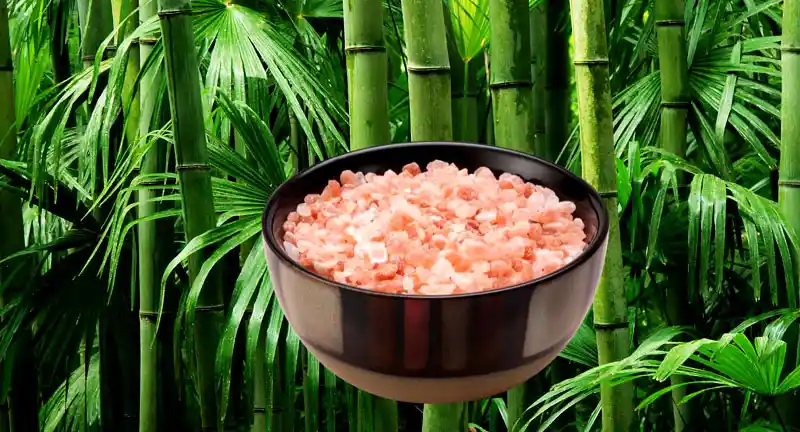
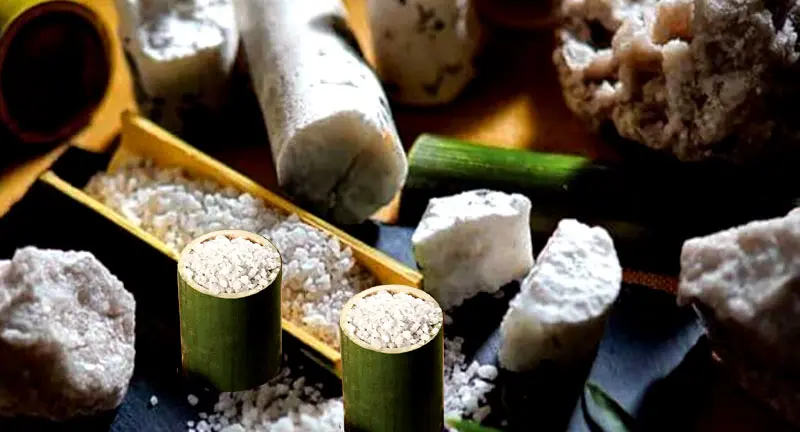
The origins of bamboo salt can be traced back to centuries-old customs in Korea. Coastal sea salt was traditionally used by artisans to fill hollow bamboo stems, seal the ends with clay, and roast the bamboo over fire or in a kiln. The salt would absorb minerals from the bamboo, charcoal, and iron vessels, change color from white to light brown, then deep brown or black, and create a distinct, strong flavor and aroma with each cycle of roasting.
In Korean folk medicine, It is gained a reputation as a purifying and balancing substanc-one used to treat digestive disorders, to cleanse wounds, and as a general tonic. While not as globally famous as ingredients like matcha or turmeric, it holds a respected place in East Asian traditional remedies and culinary traditions.
Medical & Affiliate Disclosure
This content is for informational purposes only and does not constitute medical advice. Always consult a qualified healthcare professional before using any herbal or natural remedies, as the results may depend on the specific area and individual. Some links in this article may be affiliate links, meaning we may earn a commission at no extra cost to you if you purchase them. It will help to improve the website.
How bamboo salt is made — traditional method (step-by-step)
Below is a concise, traditional process so you understand what happens from sea water to bamboo salt jar:
- Harvest pure sea salt — coarse coastal sea salt or salt flakes are typically used.
- Pack the salt into bamboo tubes — clean, hollow bamboo segments are filled tightly with sea salt.
- Seal the ends — artisans often plug both ends with natural clay or other sealing material to keep the salt contained during roasting.
- Roast in iron pots or kiln — the bamboo tubes are placed into iron cauldrons or kilns and roasted at very high temperatures. This step may use pine wood or charcoal for fuel.
- Repeat the roasting — a hallmark of premium bamboo salt is multiple roasting cycles; each cycle (often 3×, 9×, or 12×) is believed to deepen mineral infusion and reduce impurities.
- Cool and collect — after the final roasting, the bamboo and clay are broken away and the salt is collected, ground, sieved, and sometimes aged.
The repeated roasting at very high heat transforms the salt physically and chemically: color darkens, volatile impurities burn off, and trace minerals from bamboo and iron vessels can become incorporated into the crystalline matrix. Many producers attribute “medicinal” qualities to the number of roasting cycles.
Types of bamboo salt you’ll find today
It is commonly categorized by how many times it has been roasted. The number often appears as “×” (times).
- Basic / 1×–3×: The entry-level roasted salt. Lighter color and milder flavor. Good for seasoning where a subtle mineral note is desired.
- 9× (nine-times roasted): The most commonly marketed “medicinal” grade. Darker color, fuller flavor, and a reputation for higher mineral complexity. Many traditional recipes and remedies reference 9× salt.
- 12× and higher: Premium or specialty grades. More intense color and a smoother—but more assertive—taste. Often marketed as premium wellness products.
- Charcoal or resin-infused variants: Some modern producers add a layer of smoke or roast the bamboo with specific woods or resins to impart unique flavor profiles.
- Powdered vs. coarse: Like common salts, bamboo salt may be sold as fine powder (good for table use) or coarse crystals (good for brines, pickles, or culinary finishing).
Note: not all producers follow identical methods or quality control; the taste and mineral content can vary widely.
Nutritional profile — what’s actually in bamboo salt
It is primarily still salt- chemically, mostly sodium chloride. However, the unique manufacturing introduces additional elements:
- Major component: Sodium chloride (NaCl)-the bulk of the product.
- Trace minerals: Small amounts of minerals may be present such as calcium, magnesium, potassium, iron, zinc, and selenium. These are present in trace quantities and will not replace a mineral-rich diet.
- pH and alkalinity: Because of the high-temperature processing and presence of mineral ash, bamboo salt is often described as more alkaline than standard sea salt. Many proponents claim it has a higher pH when dissolved, though exact measurements vary by brand.
- No significant macronutrients: Like other salts, bamboo salt has no protein, fat, or carbohydrate and provides no calories.
Important nutritional reality: the sodium content remains high. A teaspoon of any salt contributes a notable portion of the WHO-recommended daily sodium limit. Bamboo salt’s trace nutrients are meaningful as marketing points but are not a replacement for balanced nutrition.
Claimed health benefits and what tradition says
This salt has many traditional claims and contemporary uses. Below are the most commonly cited:
- Digestive support: Traditional users claim bamboo salt soothes stomach discomfort and aids digestion when ingested in small amounts or dissolved in warm water.
- Oral health: It’s used as a mouthwash or gargle to reduce bad breath and support gum health — attributed to its mineral content and alkalinity.
- Skin and wound care: Topical application or saline soaks with bamboo salt are used to help cleanse and dry minor wounds or skin irritations.
- Detoxifying and balancing: Folk tradition frames bamboo salt as a purifier — balancing bodily humors and clearing “heat” or toxins.
- Antioxidant and anti-inflammatory claims: Some proponents say bamboo salt has antioxidant properties (linked to its roasting and mineral uptake) and may support inflammatory conditions.
Caveat: Many of these benefits are based on tradition and preliminary studies or anecdotal evidence. While This salt can be a soothing home remedy (especially as a mouth rinse or topical wash), it should not replace medically recommended treatments for serious conditions. Always consult a healthcare professional for specific health concerns.
Modern research — what’s known and what’s not
Scientific interest in bamboo salt has increased, but rigorous, large-scale human trials are limited. Some laboratory and small-scale studies have explored antibacterial effects, mineral contents, and pH effects, but results are not yet conclusive enough to claim broad medical benefits.
- Antimicrobial activity: Some lab tests suggest bamboo salt may inhibit certain bacteria, which explains its use in oral rinses and wound care.
- pH / alkalinity: Studies that test pH often find bamboo salt solutions can be more alkaline, which may influence microbial environments.
- Mineral analysis: Chemical analyses show trace minerals are present, but amounts vary by producer and batch.
Bottom line: interesting preliminary data exists, but bamboo salt should be considered complementary-not curative. Where modern medicine should be used (infections, chronic disease), bamboo salt may only be an adjunct.
Source and references:Wikipedia – Bamboo salt (Jukyeom)
Culinary uses and recipes (practical ideas)
Bamboo salt offers a unique roasted, smoky, mineral-forward flavor. Here’s how to use it in the kitchen:
Simple uses
- Finishing salt: Sprinkle a pinch on grilled fish or roasted vegetables for a mineral lift.
- Soup seasoning: Add to broths or Korean-style soups; its robust flavor pairs well with umami ingredients.
- Pickling and brine: Use in small quantities in brines to subtly shift flavor-but maintain sodium accounting.
- Kimchi and fermented foods: A small amount can be used, but be careful since fermentation recipes are sensitive to salt concentration.
Quick recipe — Bamboo Salt Garlic Soy Marinade (for 4 servings)
- 3 tbsp soy sauce
- 1 tsp bamboo salt (finely ground)
- 2 tbsp rice vinegar
- 2 cloves garlic, crushed
- 1 tsp sesame oil
- 1 tbsp honey or sugar
Mix and marinate chicken, tofu, or mushrooms for 20–60 minutes before grilling or pan-frying.
Bamboo salt tea (digestive rinse)
- 1 cup warm water
1/8–1/4 teaspoon bamboo salt
Dissolve and sip slowly after a heavy meal, or use as a gentle mouth rinse.
Traditional medicinal applications & how to use bamboo salt safely
Below are commonly followed traditional methods. These are folk practices; seek medical help for serious issues.
Oral rinse / gargle
- Dissolve 1/8–1/4 teaspoon bamboo salt in 1 cup warm water.
- Use as a mouthwash or gargle for 15–30 seconds, then spit.
- Helpful for temporary bad breath or minor oral discomfort.
Saline soak for skin
- Dissolve 1–2 teaspoons in 1 liter of warm water.
- Use as a compress or soak for minor scrapes or irritated skin (avoid open deep wounds or severe infections).
- Pat dry and monitor for signs of infection.
Digestive warm water
- Dissolve 1/8 teaspoon in a cup of warm water; sip slowly after a meal.
- Do not exceed recommended amounts-sodium is still high.
Always test on a small skin patch first for sensitivity, and avoid using near eyes or on heavy, infected wounds. Never substitute traditional treatments for professional medical care when needed.
How to choose authentic bamboo salt- buying guide
When buying bamboo salt, quality varies widely. Use these tips:
- Look for origin: Korean-made bamboo salt (often labeled “jukyeom” or “Korean bamboo salt”) tends to follow traditional processes.
- Roasting times listed: Authentic producers will tell you whether it’s 3×, 9×, or 12× roasted. 9× is a common marker for medicinal-grade.
- Packaging & labeling: Check for clean packaging, ingredient lists (should be basically sea salt), and any third-party testing claims.
- Texture & color: Genuine bamboo salt ranges from brown to deep black. A smoky mineral aroma is normal.
- Price vs. claims: High roasting and artisanal production cost more. Beware of expensive products making improbable medical claims.
Supplier transparency: Good brands describe their process-what wood used for roasting, where salt sourced, manufacturing standards.
Risks, cautions, and safe usage recommendations
- High sodium: Bamboo salt is still concentrated sodium chloride. People with hypertension, kidney disease, or those on low-sodium diets should limit or avoid it.
- Not a cure-all: Don’t use bamboo salt as a replacement for antibiotics, antihypertensives, or other prescribed medications.
- Topical risks: Using strong saline on broken skin or deep wounds can cause irritation or delay healing; consult a healthcare provider for infected wounds.
- Allergies and sensitivities: Rarely, additives or contaminants may cause reactions — buy reputable brands and do a patch test.
Children & infants: Use extreme caution; their salt tolerance is lower than adults. Avoid using salt-based remedies on babies without medical advice.
Closing summary — what to remember
Bamboo salt (jukyeom) is a unique, traditional Korean salt created by roasting sea salt in bamboo at high temperatures. Its distinct color, aroma, and mineral profile give it culinary and traditional medicinal appeal. While it carries interesting properties-trace minerals, possible antimicrobial effects, alkalinity-bamboo salt remains a salt: high in sodium and best used thoughtfully.
For cooks: use it as a finishing salt or in recipes where a deep mineral-smoky note enhances flavor. For wellness-seekers: it can be a soothing mouth rinse or saline soak, but it should complement, not replace, evidence-based medical care. When buying, prefer transparent, reputable producers and consider the number of roasting cycles as part of your selection criteria.
FAQs About Pamboo Salt
Q: Is bamboo salt healthier than regular sea salt?
A: It contains similar amounts of sodium but often has trace minerals and a different pH and flavor due to roasting. “Healthier” depends on context — for mineral variety, bamboo salt may offer a small edge, but for sodium control it’s the same as other salts.
Q: What does “9×” mean on bamboo salt packaging?
A: It indicates the salt has been roasted nine times in bamboo tubes — a traditional benchmark many artisans use for premium quality.
Q: Can I use bamboo salt to treat infections?
A: This salt has antimicrobial reputations in traditional practice, but it should not replace prescribed medical treatment for infections. Use it as a supportive or adjunctive remedy and consult a doctor for infections.
Q: How much bamboo salt can I consume daily?
A: There’s no universal dose; because it’s still salt, follow general sodium guidelines. Limit added-salt intake and account for sodium from all sources in your diet.
Q: Where can I buy authentic bamboo salt?
A: Specialty Asian grocery stores, reputable online sellers, and Korean health-food shops often stock This salt. Choose brands that disclose origin and processing details.