
About Eucalyptus: Discovering the Powerful Benefits of Nature’s Healing Tree
Introduction
Eucalyptus, a word that connotes vigor, freshness, and cleanliness, has long been praised as one of nature’s most powerful healing trees. The Benefit of Eucalyptus is well-known for its capacity to calm, heal, and energize the body and mind, from the deep forests of Australia to wellness centers worldwide. For generations, people have valued its fragrant leaves, essential oils, and natural extracts for their exceptional therapeutic and medicinal properties in addition to their pleasing perfume.
In this article, we will explore everything about Eucalyptus-its origin, nutritional components, health benefits, use in ancient and modern medicine, and the various types that exist today. By the end, you’ll understand why this evergreen tree continues to play a crucial role in traditional healing and Benefit of Eucalyptus modern wellness industries alike.
Medical & Affiliate Disclosure
This content is for informational purposes only and does not constitute medical advice. Always consult a qualified healthcare professional before using any herbal or natural remedies, as the results may depend on the specific area and individual. Some links in this article may be affiliate links, meaning we may earn a commission at no extra cost to you if you purchase them. It will help to improve the website.
Origin and History of Eucalyptus
The story of Eucalyptus begins in Australia, where it is native and deeply interwoven with Aboriginal culture and healing traditions. The indigenous people of Australia were the first to discover the Benefit of Eucalyptus, using its leaves and oils for treating wounds, infections, and respiratory illnesses.
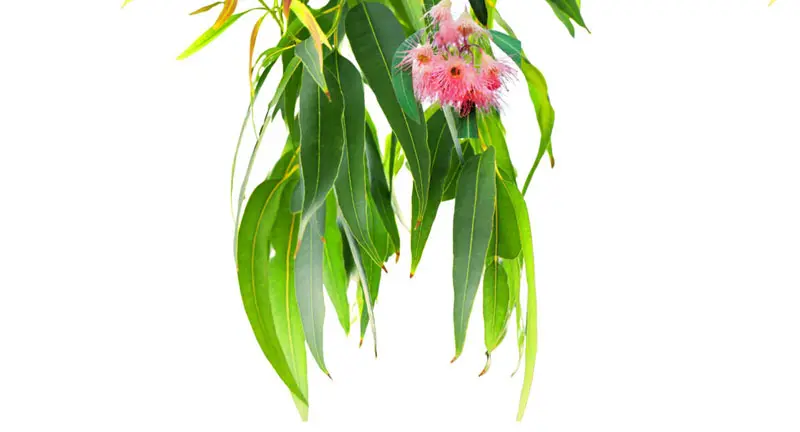
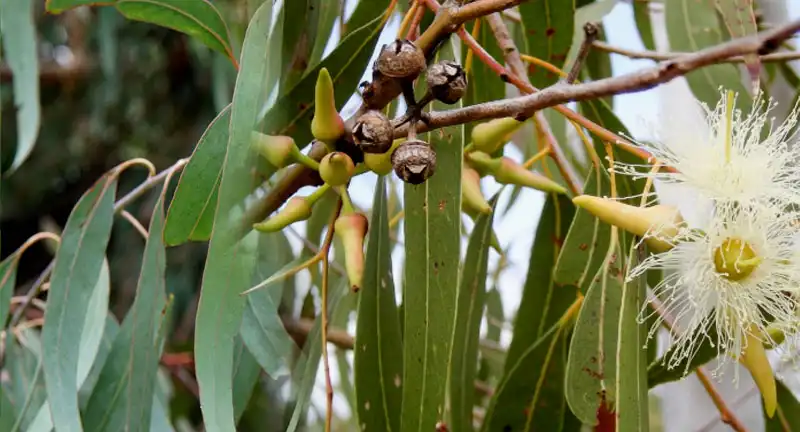
The term Eucalyptus comes from the Greek words eu (well) and kalyptos (covered), referring to the tree’s unique flowers that are enclosed by a protective cap before blooming. With over 700 species, Eucalyptus trees range from small shrubs to towering giants reaching up to 300 feet high.
When British explorers reached Australia in the late 18th century, they were fascinated by the tree’s unique aroma and its fast-growing nature. Soon, Eucalyptus was introduced to other continents-Africa, India, Europe, and the Americas-where it thrived in tropical and subtropical climates. It quickly became an important source of medicine, timber, and essential oil.
In India, Eucalyptus plantations began during the British colonial period, particularly in the Nilgiri hills and southern states. Locals soon adopted the tree into Ayurvedic and folk medicine for its anti-inflammatory, antiseptic, and respiratory benefits.Learn the Benefit of Eucalyptus below.
Nutritional and Chemical Composition of Eucalyptus
Though not commonly consumed as food, Eucalyptus is rich in bioactive compounds that make it valuable in both medicine and aromatherapy. The essential oil extracted from its leaves contains numerous phytochemicals responsible for its healing power.
Key Nutrients and Compounds in Eucalyptus:
- Eucalyptol (Cineole): The primary active compound, making up about 70–85% of eucalyptus oil. Known for anti-inflammatory, antiviral, and respiratory benefits.
- Tannins: Help in wound healing and have strong antioxidant properties.
- Flavonoids: Such as quercetin and rutin, which support heart health and immunity.
- Terpenes: Contribute to antimicrobial and soothing effects.
- Alpha-pinene and limonene: Natural compounds that support respiratory health and reduce inflammation.
These components make Eucalyptus oil a powerful natural remedy for a range of ailments—from cold and cough to muscle pain and skin infections. What is the big Benefit of Eucalyptus
Eucalyptus in Ancient Medicine
Long before modern medicine, traditional healers recognized the Benefit of Eucalyptus. Aboriginal Australians used crushed leaves to treat wounds, fevers, and respiratory congestion. Smoke from burning Eucalyptus leaves was also used in purification rituals and to drive away insects.
In Ayurvedic medicine, Eucalyptus is known as “Nilgiri Taila,” and is used for treating sinusitis, coughs, joint pain, and infections. Its warm, penetrating aroma makes it an essential component in steam inhalations and balms used for chest congestion.
In Chinese medicine, Eucalyptus is valued for its ability to remove heat and phlegm from the lungs. It’s often used in herbal formulas for bronchitis, colds, and sore throats. Similarly, in ancient Greek and Roman medicine, Eucalyptus-like plants were used for their antiseptic and healing properties.
This ancient recognition of the Benefit of Eucalyptus has paved the way for its modern scientific validation as a natural healer.

Health Benefits of Eucalyptus
The Benefit of Eucalyptus extends across multiple aspects of health—respiratory wellness, immunity, skin care, oral hygiene, and even mental clarity. Let’s look at these benefits in detail:
Respiratory Health and Cold Relief
One of the most well-known benefits of Eucalyptus is its ability to relieve respiratory problems. The compound eucalyptol (cineole) acts as a natural decongestant, helping to clear mucus and open airways.
- Inhalation Therapy: Adding a few drops of Eucalyptus oil to hot water and inhaling the steam provides relief from colds, coughs, sinusitis, and bronchitis.
- Cough Drops and Balms: Many over-the-counter chest rubs, such as Vicks VapoRub, use Eucalyptus oil to ease breathing.
- Antimicrobial Properties: Helps fight respiratory pathogens like bacteria and viruses.
By supporting lung function and clearing congestion, the Benefit of Eucalyptus makes it a natural alternative to synthetic cold remedies.
Boosts Immunity
Eucalyptus oil contains antioxidants and natural compounds that strengthen the immune system. Regular exposure through aromatherapy or massage oil can help protect the body from seasonal infections and inflammation.
Studies have shown that Eucalyptus extract can stimulate macrophage activity—cells responsible for fighting harmful microorganisms in the body. Thus, the Benefit of Eucalyptus extends to overall immunity and disease prevention.
Promotes Oral Health
Eucalyptus is also widely used in toothpastes and mouthwashes for its antibacterial and refreshing qualities. It effectively reduces plaque buildup and combats bacteria that cause gum disease and bad breath.
- Helps reduce gingivitis and oral inflammation.
- Freshens breath naturally.
- Kills harmful bacteria like Streptococcus mutans and Porphyromonas gingivalis.
That’s why many dental care brands rely on the Benefit of Eucalyptus for maintaining oral hygiene.
Skin Healing and Inflammation Relief
The antiseptic and anti-inflammatory qualities of Eucalyptus oil make it an excellent remedy for wounds, insect bites, and skin irritations.
- Antiseptic: Prevents infection in minor cuts or burns.
- Anti-inflammatory: Reduces redness, swelling, and acne.
- Soothing effect: Provides a cooling sensation on the skin, relieving itching and irritation.
In ancient times, crushed Eucalyptus leaves were applied to wounds, and even today, Eucalyptus-based creams and ointments are used for similar benefits.
Pain and Muscle Relief
For those suffering from arthritis, rheumatism, or muscle fatigue, the Benefit of Eucalyptus is highly valued. The oil can be massaged into the skin or added to bathwater to relieve stiffness and soreness.
- Improves circulation.
- Reduces joint inflammation.
- Soothes tired muscles.
Athletes and wellness practitioners frequently use Eucalyptus oil in aromatherapy massages for its rejuvenating and pain-relieving effects.
Natural Insect Repellent
The Benefit of Eucalyptus also includes its ability to repel mosquitoes and other insects. The strong aroma acts as a natural deterrent, without the toxic effects of chemical sprays.
Eucalyptus citriodora (lemon-scented Eucalyptus) is especially effective and often used in mosquito repellents and candles. It provides a safe, herbal way to keep pests away while protecting the skin.
Supports Mental Clarity and Focus
Eucalyptus oil’s invigorating scent is known to stimulate the mind and promote mental clarity. It refreshes the senses, improves focus, and reduces fatigue.
When diffused in a room or added to bathwater, Eucalyptus helps combat mental exhaustion, improves alertness, and uplifts the mood—making it a favorite in aromatherapy practices.
Improves Hair and Scalp Health
The antimicrobial nature of Eucalyptus oil helps maintain a healthy scalp by preventing dandruff and fungal infections. It also stimulates blood circulation, promoting hair growth.
Mixing a few drops of Eucalyptus oil with carrier oils like coconut or olive oil and massaging it into the scalp can revitalize the hair and improve overall hair texture.
Blood Sugar Regulation
Recent studies have suggested that Eucalyptus tea may help manage blood sugar levels. The plant’s compounds can influence glucose metabolism and enhance insulin sensitivity. However, medical supervision is necessary for diabetic patients before consuming it regularly.
Air Purification and Environmental Benefits
Beyond human health, the Benefit of Eucalyptus extends to the environment. Its trees help purify the air, absorb carbon dioxide, and release oxygen. Eucalyptus plantations are also used for reforestation and soil stabilization in many tropical countries.
Different Types of Eucalyptus
There are over 700 species of Eucalyptus, but only a few are commonly used for medicinal and aromatic purposes. Let’s explore the most popular varieties:
- Eucalyptus globulus (Blue Gum):
The most widely known species, used for extracting medicinal-grade Eucalyptus oil. Excellent for respiratory and antiseptic uses. - Eucalyptus radiata:
Milder than globulus, suitable for children and sensitive individuals. Commonly used in aromatherapy. - Eucalyptus citriodora (Lemon Eucalyptus):
Known for its pleasant lemon scent and insect-repelling qualities. - Eucalyptus dives (Peppermint Eucalyptus):
Contains high levels of piperitone, useful in expectorants and cold remedies. - Eucalyptus polybractea (Blue Mallee):
One of the richest sources of cineole, used for industrial and medicinal oil production. - Eucalyptus smithii:
Gentle and safe for steam inhalation and massage applications.
Each variety has its own unique Benefit of Eucalyptus, depending on the oil composition and intended use.
Eucalyptus in Modern Medicine and Daily Use
Today, Eucalyptus oil is found in countless health and wellness products—balms, ointments, toothpaste, cough syrups, and cosmetics. It’s also a staple in aromatherapy, spas, and household cleaning agents.
Common Modern Uses:
- Pharmaceuticals: Cough drops, lozenges, chest rubs.
- Aromatherapy: For relaxation and mental clarity.
- Cosmetics: Added to creams and shampoos for freshness.
- Cleaning Products: Natural disinfectant with antibacterial properties.
- Spa Treatments: Used in steam therapy for respiratory relief.
The Benefit of Eucalyptus continues to evolve with modern science validating its ancient reputation as a natural healer.
How to Use Eucalyptus Safely
While Eucalyptus oil offers numerous benefits, it must be used with care.
Precautions:
- Always dilute Eucalyptus essential oil with carrier oil before applying to skin.
- Avoid ingesting pure oil, as it can be toxic.
- Keep away from children and pets.
- Conduct a patch test before topical use to check for allergies.
- Pregnant or breastfeeding women should consult a healthcare professional before use.
When used responsibly, the Benefit of Eucalyptus can be safely enjoyed in daily wellness routines.
Source and references: Health benefits & traditional uses of eucalyptus leaves
Environmental and Economic Importance
Beyond its medicinal uses, Eucalyptus plays a major role in the economy and ecology. It grows quickly, making it ideal for reforestation, timber, and pulp industries. However, sustainable cultivation is essential, as large monoculture plantations can affect soil and water balance.
Still, the tree’s environmental benefit of Eucalyptus-such as carbon absorption and air purification-remains invaluable in the fight against global pollution.
Conclusion
The benefits of eucalyptus have endured throughout history, from ancient Aboriginal healers to contemporary pharmaceutical laboratories. It is one among nature’s most useful gifts because of its potent therapeutic scent, antibacterial properties, and respiratory support.
Eucalyptus represents nature’s wisdom in its purest form, whether it is used in a vapor rub, a cool mouthwash, a calming massage oil, or a straightforward steam inhalation. It is a crucial component of both conventional and contemporary wellness treatments due to its ability to improve breathing, increase immunity, and encourage relaxation.
Centuries of natural healing are contained in every drop of its oil, serving as a reminder that sometimes the most potent cures can be found growing silently in our planet’s forests.
FAQs about Eucalyptus
1. Can Eucalyptus oil be used directly on the skin?
No. Despite the many Benefit of Eucalyptus for skin healing and inflammation, Eucalyptus oil should never be applied directly. Always dilute it with a carrier oil such as coconut or olive oil before topical use.
2. What is the best way to use Eucalyptus for cold relief?
One of the most popular Benefit of Eucalyptus is relief from cold and respiratory congestion. Inhaling steam with a few drops of Eucalyptus oil or using it in a vaporizer helps clear nasal passages and ease breathing.
3. Is Eucalyptus safe for children?
While the Benefit of Eucalyptus includes respiratory and immune support, Eucalyptus oil should be used with caution in children under 6 years. Always consult a pediatrician before using Eucalyptus-based products for kids.
4. Can Eucalyptus help in hair growth?
Yes. Another proven Benefit of Eucalyptus is improved scalp circulation. Regular use of diluted Eucalyptus oil can help reduce dandruff, strengthen hair roots, and promote healthier hair growth.
5. What makes Eucalyptus oil different from other essential oils?
What sets it apart is its high cineole content. This unique compound enhances the Benefit of Eucalyptus by providing powerful antimicrobial, respiratory, and anti-inflammatory effects that few essential oils can match.