Quinoa: Origin, Nutrition, Ancient Uses & Powerful Health Benefits of Quinoa
What is Quinoa?
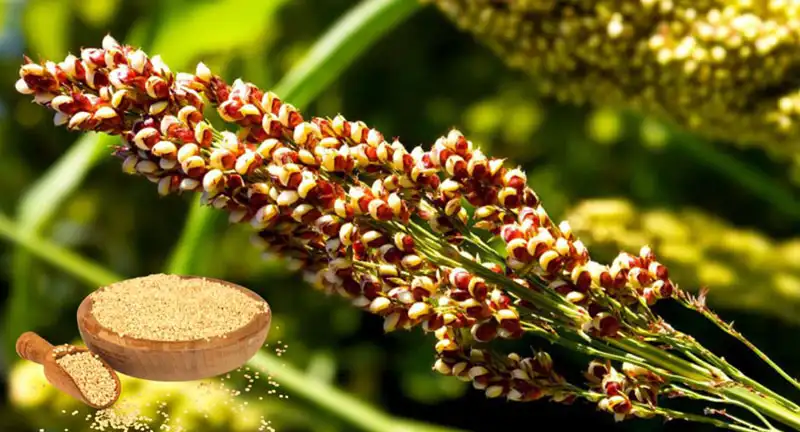
Quino, popularly known around the world as quinoa, is one of the most powerful superfoods gifted by nature. The Benefit of Quinoa has gained global recognition due to its exceptional nutrition profile, ancient healing history, and modern culinary versatility. Though many think Quino is a grain, it is actually a seed that behaves like a grain when cooked.
Today, Quinoa is widely consumed across the world for weight management, diabetes control, heart health, and overall wellness. Due to its increasing popularity in health-conscious communities, the Benefit of Quinoa is now supported by both traditional medicine and modern scientific research.
Medical & Affiliate Disclosure
This content is for informational purposes only and does not constitute medical advice. Always consult a qualified healthcare professional before using any herbal or natural remedies.because the result depands with area and person. Some links in this article may be affiliate links, meaning we may earn a commission at no extra cost to you if you make a purchase through them.it will help to improve website.
Origin and History of Quinoa
The story of Quinoa begins in the ancient highlands of South America, especially around the Andes Mountains. Quinoa was first cultivated over 5,000 years ago by the ancient Inca civilization.
The Incas referred to Quinoa as the “Mother of All Grains,” although it is not a true grain. For centuries, Quino served as a staple food for warriors, farmers, and royalty alike. The Quinoa was deeply respected for providing stamina, strength, and longevity.
When Spanish colonization arrived, Quinoa cultivation declined due to the introduction of wheat. However, in the modern era, Quinoa has made a powerful comeback and is now grown in countries such as Peru, Bolivia, India, and the United States.
Quinoa in Ancient Medicine
The Quinoa was not limited to food alone. It was also used as medicine in ancient healing systems:
- In Inca Healing Practices
Quino was used to:
- Heal wounds
- Boost energy
- Improve digestion
- Strengthen immunity
- In Traditional Indian Medicine
Quinoa aligns well with principles of Ayurveda, where it is considered:
- Light on digestion
- Balancing for all three doshas
- Beneficial for detox and metabolism
- In Greek and Natural Medicine
Early natural healers inspired by Hippocrates valued foods like Quino that promoted natural healing and disease prevention.
Thus, the Quinoa was recognized long before modern nutrition science.
Nutritional Value of Quinoa (Per 100g Cooked)
One of the main reasons behind the global fame of the Quinoa is its exceptional nutrient profile:
- Calories: ~120 kcal
- Protein: 4.1 g
- Carbohydrates: 21.3 g
- Dietary Fiber: 2.8 g
- Fat: 1.9 g
- Iron: 15% RDA
- Magnesium: 17% RDA
- Zinc: 9% RDA
- Folate: 10% RDA
- Potassium: 5% RDA
Quinoa is one of the few plant foods that contains all 9 essential amino acids, making theQuinoa extremely valuable for vegetarians and vegans.
Top 20+ Powerful Health Benefits of Quinoa
Quinoa touches nearly every system of the human body. Below are the most important health advantages:
- Complete Plant Protein
Quinoa provides complete protein, making the Quinoa ideal for muscle building and tissue repair.
- Supports Weight Loss
High fiber and protein reduce hunger and cravings. The Quinoa helps in natural weight management.
- Controls Blood Sugar
Quinoa has a low glycemic index. The Quinoa is highly beneficial for diabetics.
- Improves Heart Health
Quinoa includes lowering bad cholesterol and supporting healthy blood pressure.
- Enhances Digestion
Fiber-rich Quinoa supports gut health and prevents constipation.
- Boosts Immunity
Zinc, iron, and antioxidants in Quinoa strengthen immunity.
- Improves Brain Function
Magnesium and B vitamins in Quinoa improve memory and concentration.
Source and references:Cleveland Clinic – Quinoa Health Benefits
Different Types of Quinoa
The Benefit of Quinoa varies slightly by type. The three most common varieties are:
- White Quinoa
- Mild flavor
- Soft texture
- Best for salads and porridges
- Maximum digestive Benefit of Quinoa
- Red Quinoa
- Nutty flavor
- Holds shape well after cooking
- Ideal for pilafs and cold salads
- Strong antioxidant Quinoa
- Black Quinoa
- Earthy taste
- Slightly crunchy
- Used in gourmet dishes
- Highest fiber Quinoa
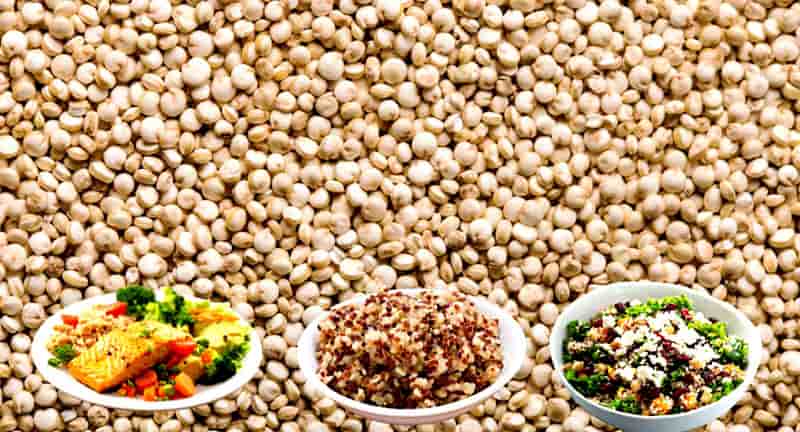
Traditional and Modern Culinary Uses of Quinoa
The Quinoa is amplified by its versatility in cooking.
Ancient Culinary Uses
- Cooked like rice
- Ground into flour for flatbreads
- Used in ceremonial foods
Modern Culinary Uses
- Quino salads
- Quino upma
- Quino pulao
- Quino dosa
- Quino soup
- Quino porridge
- Quino energy bars
- Quino breakfast bowls
The Benefit of Quinoa increases when cooked properly and paired with vegetables, lentils, and healthy fats.
How to Cook Quinoa Properly
To gain the full Quinoa, proper cooking is essential:
- Rinse Quino thoroughly to remove bitterness.
- Add 1 cup Quino to 2 cups water.
- Bring to a boil.
- Simmer for 15 minutes.
- Let it rest for 5 minutes.
- Fluff with a fork.
Proper preparation enhances both taste and the Quinoa.
Quinoa in Modern Medicine and Research
Modern research institutions and global organizations such as the Food and Agriculture Organization recognize the Quinoa for fighting malnutrition and lifestyle diseases.
Quinoa is now part of clinical nutrition plans for:
- Diabetes
- Obesity
- Heart disease
- Malnutrition
Gluten intolerance
Quinoa for Women’s Health
The Quinoa is especially powerful for women of all ages. Due to its rich iron, calcium, magnesium, and folate content, Quino plays an important role in supporting hormonal balance, reproductive health, and bone strength. Women who suffer from iron deficiency anemia can greatly benefit from regular Quinoa intake, as it naturally boosts hemoglobin levels.
During pregnancy, the Quinoa becomes even more important. The high folate content supports fetal brain and spinal cord development, while protein and minerals help meet increased nutritional demands. For women experiencing PMS or menopause-related symptoms, the magnesium in Quinoa helps reduce cramps, mood swings, and fatigue.
Additionally, the Quinoa for skin and hair is highly valued among women. Its antioxidants slow down premature aging, while amino acids help in collagen production, keeping skin firm and radiant.
Quinoa for Men’s Health
The Quinoa is equally important for men. It supports muscle development due to its complete protein profile, making it ideal for gym-goers, athletes, and physically active individuals. The zinc in Quinoa contributes to testosterone balance and reproductive health.
The Quinoa also includes prostate health support due to its anti-inflammatory and antioxidant properties. Men who consume Quino regularly experience improved stamina, sustained energy levels, and better cardiovascular health.
For men with high work stress and physical fatigue, the slow-digesting carbohydrates in Quinoa provide steady energy without blood sugar crashes. Thus, the Benefit of Quinoa plays a key role in both physical and metabolic wellness for men.
Quinoa for Children and Elderly People
The Quinoa extends beautifully to both children and senior citizens. For children, Quinoa supports healthy growth due to its high-quality protein, calcium, phosphorus, and essential vitamins. It strengthens bones, improves immunity, and supports brain development.
For elderly people, the Quinoa includes improved digestion, reduced inflammation, stable blood sugar levels, and better heart health. Since Quino is soft and easy to chew when cooked properly, it is ideal for seniors with weak digestion or dental issues.
The fiber in Quinoa helps prevent constipation in older adults, while magnesium and potassium contribute to improved nerve and muscle function. This makes the Quinoa extremely important for lifelong nutrition.
Quinoa and Gut Health
One of the most underrated aspects of the Quinoa is its impact on gut health. Quinoa contains both soluble and insoluble fiber, which promotes healthy digestion and feeds beneficial gut bacteria. A healthy gut leads to improved immunity, better nutrient absorption, and enhanced mental health.
The Quinoa also includes protection against acidity, bloating, and irregular bowel movements. People suffering from IBS, gas, or mild digestive disorders often report better comfort after including Quino in their diet.
Since Quino is naturally gluten-free Quinoa is especially high for people suffering from gluten intolerance or celiac-related digestive sensitivity.
Quinoa in Weight Management and Fitness Diets
The Quinoa is widely recognized in modern fitness and weight-loss plans. High protein content boosts metabolism, while fiber increases satiety. This combination reduces overeating and late-night cravings.
For gym enthusiasts, the Quinoa includes faster muscle recovery and sustained workout energy. Quinoa provides complex carbohydrates that fuel physical activity without causing sudden fatigue.
Unlike refined grains, the Quinoa does not contribute to unhealthy weight gain when consumed in proper portions. Instead, it promotes fat loss while preserving lean muscle mass.
Organic vs Processed Quinoa: Which is Better?
To fully enjoy the Quinoa, choosing the right quality matters. Organic Quinoa is grown without chemical pesticides or synthetic fertilizers, making it richer in natural nutrients and safer for long-term consumption.
Processed or polished Quinoa, on the other hand, may lose some of its fiber and mineral content during industrial processing. For maximum Quinoa, it is best to choose whole, unpolished, and organically grown Quinoa whenever possible.
Storage Tips to Preserve the Benefit of Quinoa
To protect the Quinoa, proper storage is essential:
- Store raw Quinoa in an airtight container
- Keep away from moisture and direct sunlight
- Refrigerate in humid climates
- Cooked Quinoa should be refrigerated and consumed within 3 days
Proper storage ensures long-term nutritional integrity and preserves the full Benefit of Quinoa.

Quinoa in Global Cuisines
The Quinoa has made it a global culinary ingredient:
- In India: Quinoa upma, dosa, khichdi
- In Western cuisine: Quinoa salads, soups, burgers
- In health cuisine: Quinoa smoothies, breakfast bowls, protein snacks
This global adaptability increases both the nutritional and cultural Quinoa.
Quinoa for Special Diets
The Benefit of Quinoa makes it ideal for:
- Gluten-free diets
- Vegan and vegetarian diets
- Keto-modified plans
- Athletes’ diets
- Pregnancy nutrition
- Elderly nutrition
Side Effects and Precautions
Although the Benefit of Quinoa is immense, excess consumption may cause:
- Bloating
- Mild stomach upset
- Allergic reactions (rare)
Always consume in moderation to enjoy the full Benefit of Quinoa safely.
Conclusion
Quinoa’s benefits extend well beyond simple nourishment. Quinoa has established itself as one of the world’s most comprehensive and adaptable superfoods, from traditional healing methods to contemporary clinical nutrition. It is appropriate for individuals of all ages due to its capacity to promote heart health, digestion, immunity, weight control, bone strength, hormone balance, and mental wellness.
The benefits of quinoa are universal and potent, regardless of whether you are a child going through a growth phase, an athlete gaining strength, a pregnant woman in need of nourishment, or an elderly person preserving their health. Quino really serves as a link between traditional knowledge and contemporary wellness research thanks to its abundance of protein, fiber, vitamins, and minerals.
Including quino in your daily diet is an investment in your long-term health, not merely a dietary decision. Quinoa is one of nature’s most dependable foods for long-term health and illness prevention because of its amazing benefits.
Frequently Asked Questions
Q1. Is Quinoa better than rice?
Yes, the Benefit of Quinoa is far superior to rice due to higher protein, fiber, and minerals.
Q2. Can diabetics eat Quinoa?
Yes, the Benefit of Quinoa includes stable blood sugar control.
Q3. Is Quinoa good for weight loss?
Yes, the Benefit of Quinoa includes appetite control and fat metabolism.
Q4. Is Quinoa suitable for children?
Absolutely. The Benefit of Quinoa supports growth and immunity in children.
Q5. Can Quinoa be eaten daily?
Yes, daily intake enhances the long-term Benefit of Quinoa.