Benefits of Guava: A Complete Guide to Nutrition, Health, and Ancient Uses
Introduction to Guava
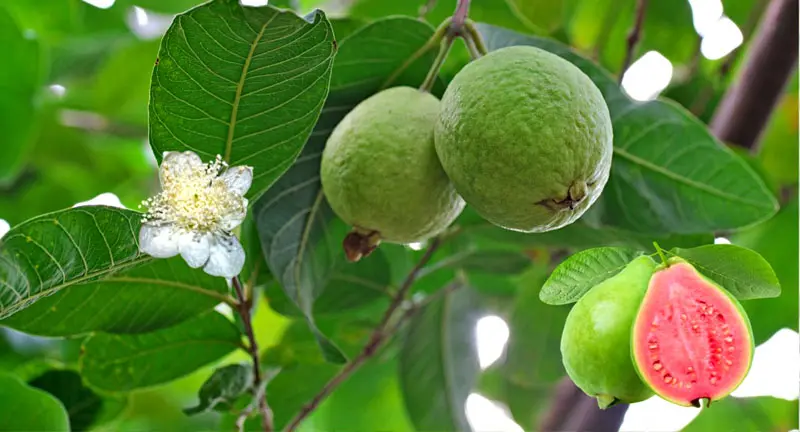
Psidium guajava, the scientific name for guava, is a tropical fruit that is a member of the myrtle family. Although it originated in Central America, it is now extensively grown throughout Asia, Africa, and other tropical areas. Fresh guava is widely used as juice, jams, or in traditional medicine. It is praised for its rich nutritional content, many health advantages, and sweet taste.
Guava has many advantages that are backed by science. This fruit, which is high in vitamins, minerals, and antioxidants, is important for maintaining general health and wellbeing. It was both a nutritional staple and a therapeutic cure since ancient cultures recognized its medical qualities.
Medical & Affiliate Disclosure
This content is for informational purposes only and does not constitute medical advice. Always consult a qualified healthcare professional before using any herbal or natural remedies, because the results depend on the area and person. Some links in this article may be affiliate links, meaning we may earn a commission at no extra cost to you if you purchase them. It will help to improve the website.
Origin and History of Guava
Guava originates from tropical regions of Central and South America. Indigenous people of these regions have been consuming guava for thousands of years, using it both as food and medicine. Spanish and Portuguese explorers introduced guava to other parts of the world in the 16th century, including Asia, Africa, and the Pacific islands.
In India, guava is a common fruit found in almost every household, especially during the winter season. The fruit is cherished not only for its taste but also for its medicinal properties in Ayurvedic medicine. Historical records show that guava was used in traditional Chinese medicine, ancient Egyptian remedies, and indigenous Latin American healing practices. What are the benefits of guava.
Nutritional Profile of Guava
Guava is a nutritional powerhouse packed with essential vitamins, minerals, and antioxidants. A 100-gram serving of raw guava contains:
- Calories: 68 kcal
- Carbohydrates: 14.3 g
- Dietary Fiber: 5.4 g
- Protein: 2.6 g
- Fat: 0.9 g
- Vitamin C: 228.3 mg (381% DV)
- Vitamin A: 31 µg
- Folate: 49 µg
- Potassium: 417 mg
- Magnesium: 22 mg
Guava is particularly rich in Vitamin C, making it one of the best natural immunity boosters. It also contains antioxidants like lycopene, quercetin, and carotenoids, which help neutralize harmful free radicals in the body.Read the Benefits of Guava below.
Health Benefits of Guava
- Boosts Immunity
One of the most notable benefits of guava is its ability to strengthen the immune system. The high vitamin C content helps stimulate white blood cells, which fight infections and prevent illnesses. Regular consumption of guava can reduce the frequency of colds, flu, and other infections.
- Improves Digestive Health
Guava is rich in dietary fiber, which promotes healthy digestion and prevents constipation. The fruit also has natural anti-inflammatory properties that soothe the stomach lining and help with gastrointestinal issues. Drinking guava leaf tea is a traditional remedy for diarrhea and digestive discomfort.
- Supports Heart Health
Potassium and soluble fiber present in guava contribute to heart health. Potassium helps regulate blood pressure, while fiber reduces bad cholesterol levels, reducing the risk of heart disease. Studies have shown that regular consumption of guava can improve overall cardiovascular function.
- Manages Diabetes
Guava has a low glycemic index, making it suitable for diabetics. The fruit helps regulate blood sugar levels due to its high fiber content, which slows down sugar absorption. Guava leaf extract has also been studied for its potential to improve insulin sensitivity and reduce complications associated with diabetes.
- Enhances Skin and Hair Health
The high antioxidant content in guava, especially vitamin C, promotes collagen production, keeping the skin youthful and reducing wrinkles. Guava leaf extracts are used in traditional remedies to treat acne, black spots, and other skin conditions. Additionally, guava leaves can strengthen hair roots and reduce hair fall.
- Promotes Weight Loss
Low in calories and rich in fiber, guava is an excellent fruit for weight management. Eating guava helps you feel full longer, reducing overall calorie intake. It also regulates metabolism, supporting a healthy weight loss journey.
- Anti-Cancer Properties
Guava contains lycopene and other antioxidants that help neutralize free radicals, potentially lowering the risk of certain cancers. Research suggests that guava consumption may reduce the risk of prostate, breast, and colon cancers.
- Anti-Inflammatory Effects
Guava has natural anti-inflammatory properties that can alleviate symptoms of arthritis and other inflammatory conditions. Guava leaf extracts are traditionally used to reduce pain and swelling in joints.
Source and references: webmd.com
Ancient Uses of Guava in Medicine
Historically, guava was used extensively in ancient medicine across different cultures. In Ayurveda, guava leaves were crushed to create poultices for wounds and skin infections. The fruit was used to treat digestive disorders and respiratory issues.
In traditional Chinese medicine, guava leaf tea was prescribed for diarrhea and gastrointestinal problems. Indigenous peoples of Central and South America used guava as a natural remedy for fever, infections, and parasitic infestations. Even today, many of these ancient remedies are integrated into natural health practices. What a big benefits of Guava
Modern Uses of Guava
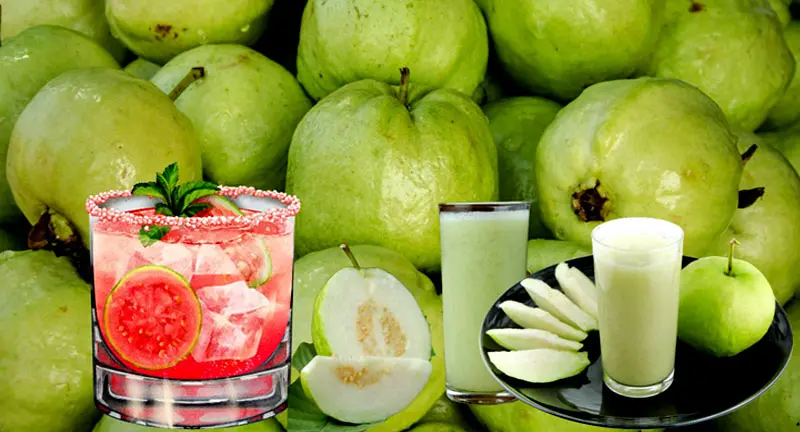
Today, guava is not only consumed fresh but is also used in various processed forms, including:
- Juices and Smoothies: Fresh guava juice is a popular beverage worldwide.
- Jams and Jellies: Guava is used to prepare jams, jellies, and preserves.
- Dietary Supplements: Guava leaf extracts are used in capsules for health support.
- Cosmetics: Skincare products often include guava extract for its antioxidant benefits.
These modern uses complement traditional practices, highlighting the versatility of guava in contemporary health and nutrition.
Different Types of Guava
There are several varieties of guava cultivated globally, each with unique flavors, textures, and colors:
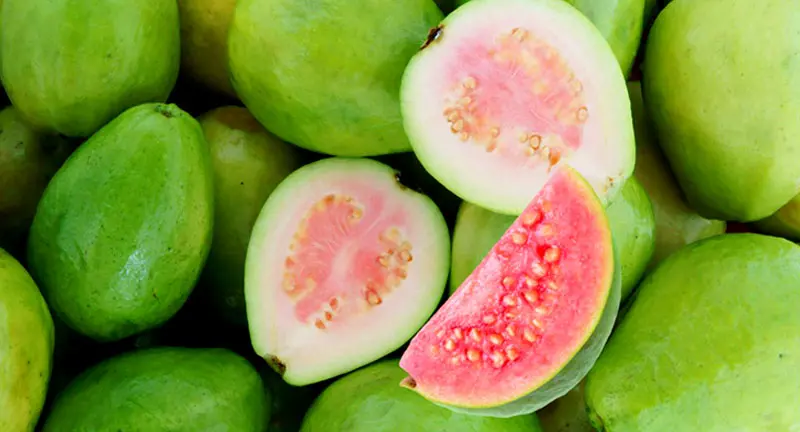
- Apple Guava (Psidium guajava) – The most common type, known for its sweet taste and pink or white flesh.
- Tropical White Guava – Medium-sized fruit with white flesh and mild flavor.
- Red/Flesh Guava – Known for its vibrant red flesh and higher lycopene content.
- Strawberry Guava (Psidium cattleianum) – Small, red fruit with a tangy taste.
- Pineapple Guava (Feijoa sellowiana) – Not true guava but related, with aromatic pineapple-flavored flesh.
Each type carries its own nutritional profile and health benefits, making guava a versatile fruit in global diets.
How to Include Guava in Your Diet
Incorporating guava into your diet is easy and delicious:
- Eat it fresh as a snack.
- Add slices to fruit salads or smoothies.
- Make guava juice or guava-based desserts.
- Use guava leaf tea for its medicinal properties.
- Incorporate guava jams or preserves in breakfast dishes.
Regular inclusion of guava ensures you receive its many benefits of guava, including improved immunity, heart health, and digestive wellness.
Risks and Considerations
While guava is generally safe for consumption, there are some considerations:
- Overconsumption may lead to mild digestive discomfort.
- People with allergies to tropical fruits should exercise caution.
Diabetics should monitor intake of guava-based processed products, as added sugars can affect blood sugar levels.
Conclusion
Guava is much more than just a tropical fruit-it is a nutritional powerhouse with a rich history of medicinal use. From ancient remedies to modern dietary supplements, the benefits of guava are numerous, including immunity boosting, digestive support, heart health, and skin care. With various types and versatile culinary uses, guava remains a staple fruit for health-conscious individuals worldwide. Incorporating guava into your daily diet can be a delicious and natural way to improve overall health and well-being.
FAQs About Guava
Q1. What are the main benefits of guava for overall health?
The benefits of guava include boosting immunity, improving digestion, supporting heart health, and enhancing skin quality. Due to its high vitamin C, fiber, and antioxidant content, the benefits of guava extend to protecting the body against infections and chronic diseases.
Q2. Are the benefits of guava helpful for digestive problems?
Yes, one of the most well-known benefits of guava is its positive effect on digestion. Guava is rich in dietary fiber, which helps prevent constipation, promotes gut health, and supports regular bowel movements. Guava leaf tea is also traditionally used for diarrhea and stomach discomfort.
Q3. Can diabetics enjoy the benefits of guava safely?
Absolutely. The benefits of guava for diabetics are significant because it has a low glycemic index and high fiber content. These properties help regulate blood sugar levels and reduce sudden glucose spikes when consumed in moderation.
Q4. What are the benefits of guava for skin and hair?
The benefits of guava for skin include improved collagen production, reduced wrinkles, and protection against premature aging. For hair, guava leaves can help strengthen roots, reduce hair fall, and improve scalp health due to their antioxidant and antimicrobial properties.
Q5. Do the benefits of guava support weight loss?
Yes, the benefits of guava are very helpful for weight management. Guava is low in calories and high in fiber, which keeps you full for longer, reduces unhealthy snacking, and supports a balanced metabolism.
Q6. Are guava leaves as beneficial as the fruit itself?
Guava leaves also offer several benefits of guava, especially in traditional medicine. They are commonly used to manage blood sugar levels, reduce inflammation, and improve digestive health when consumed as herbal tea.
Q7. How often should guava be eaten to enjoy the benefits of guava?
To experience the full benefits of guava, consuming one medium-sized guava daily or a few times a week is generally sufficient as part of a balanced diet.