
Benefits of Millets: Nutrition, Types, Health Advantages, and Their Role in Ancient and Modern Diets
The Rising Popularity of Millets
A staple food in many civilizations, millets are ancient grains that have been farmed for thousands of years. Millets are making a significant comeback in contemporary diets due to their excellent nutritional value and ability to withstand harsh temperatures. There are several advantages of including millets in your daily meals for illness prevention, weight control, and general wellness.
Millets are high in fiber, free of gluten, and packed with essential vitamins and minerals. These grains are being rediscovered by health-conscious people as a natural remedy for contemporary lifestyle problems like diabetes, obesity, and heart disease.
Medical & Affiliate Disclosure
This content is for informational purposes only and does not constitute medical advice. Always consult a qualified healthcare professional before using any herbal or natural remedies, because the results depend on the area and person. Some links in this article may be affiliate links, meaning we may earn a commission at no extra cost to you if you purchase them. It will help to improve the website.
What Are Millets?
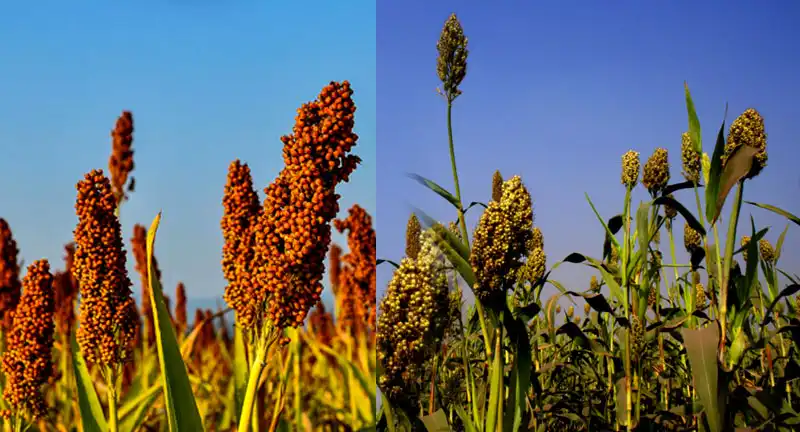
Millets are small-seeded grasses that belong to the Poaceae family. They are drought-resistant and grow well in arid and semi-arid regions. These grains have been consumed for centuries across Asia and Africa, forming a vital part of traditional diets.
Millets come in various types, each offering unique flavors, textures, and health benefits. Modern science recognizes millets as a superfood due to their dense nutrient profile and versatility in cooking.
Types of Millets
Several types of millets are commonly consumed today. Each has unique nutritional benefits:
- Pearl Millet (Bajra)
Pearl millet is a staple in many parts of India and Africa. Iron, protein, and dietary fiber are all abundant in it. It is perfect for those with diabetes because of its low glycemic index.Consuming Pearl Millet regularly supports heart health, aids digestion, and provides sustained energy.
- Finger Millet (Ragi)
Finger millet is especially high in calcium, making it excellent for bone health. It is also rich in amino acids and antioxidants. Finger millet flour is used in traditional recipes like porridge, rotis, and baked goods. Regular consumption can improve muscle strength, enhance immunity, and reduce the risk of osteoporosis.
- Foxtail Millet
Foxtail millet is known for its high protein and iron content. It is particularly beneficial for controlling blood sugar levels and promoting digestive health. It can be used in porridge, salads, and upma. The benefits of millets like Foxtail Millet include improving cardiovascular health and supporting weight management.
- Barnyard Millet
Barnyard millet is rich in fiber and essential amino acids. It is an excellent choice for people looking to lose weight due to its low-calorie content. Its high fiber content aids in smooth digestion and prevents constipation. The benefits of millets like Barnyard millet include improving gut health and boosting immunity.
- Little Millet
Little millet is a tiny, nutrient-rich grain that is easy to digest. It is high in B-vitamins, minerals, and antioxidants. Little millet supports liver function, reduces cholesterol levels, and improves metabolic health.
Nutritional Profile of Millets
Millets are nutritional powerhouses. Here’s what makes them an essential part of a healthy diet:
- Rich in Fiber: Millets are high in soluble and insoluble fiber, which helps improve digestion, manage weight, and control blood sugar levels.
- High in Protein: Millets provide plant-based protein, essential for muscle growth, tissue repair, and overall energy.
- Minerals: They are a great source of iron, calcium, magnesium, phosphorus, and potassium.
- Vitamins: Millets are rich in B-vitamins, which help in energy metabolism and brain health.
- Low Glycemic Index: Millets release sugar slowly, making them suitable for diabetics.
The benefits of millets are amplified when they replace refined grains like white rice or wheat, promoting long-term health and disease prevention.
Health Benefits of Millets
Millets are not just nutritious but also offer a wide range of health benefits. Here are some key benefits of millets:
- Controls Blood Sugar Levels
Millets have a low glycemic index, which helps in managing diabetes. Finger millet, foxtail millet, and pearl millet are particularly effective in controlling post-meal blood sugar spikes.
- Supports Heart Health
The high magnesium and potassium content in millets helps regulate blood pressure and prevent cardiovascular diseases. Regular consumption reduces the risk of heart attacks and strokes.
- Aids Weight Management
Being rich in fiber, millets keep you full for longer, reducing unnecessary snacking and aiding in weight management. Barnyard millet and little millet are excellent choices for those aiming to lose weight naturally.
- Strengthens Bones
Calcium-rich millets like finger millet promote bone density and reduce the risk of osteoporosis. Millets are especially beneficial for women and elderly individuals.
- Boosts Digestive Health
The high fiber content of millets improves digestion, prevents constipation, and supports gut health. Regular intake can also prevent bloating and acid reflux.
- Enhances Immunity
Millets contain essential minerals and antioxidants that strengthen the immune system. Regular consumption reduces inflammation and protects against infections.
- Supports Skin and Hair Health
Millets contain zinc, iron, and antioxidants that help maintain healthy skin and hair. They also protect against premature aging and hair loss.
- Provides Energy and Endurance
Millets are a rich source of complex carbohydrates, which release energy slowly. This makes them ideal for athletes and people with active lifestyles.
Sources and References:National Institutes of Health (NIH – USA)
Millets in Ancient Medicine
Millets have been used in traditional medicine for centuries. In Ayurveda and Chinese medicine, they were valued for their cooling, nourishing, and detoxifying properties.
- Ayurveda: Millets were prescribed for digestive issues, diabetes, obesity, and bone-related problems. They were considered a wholesome food for balancing the doshas (Vata, Pitta, and Kapha).
- Chinese Medicine: Millets were used to strengthen the spleen and stomach, improve immunity, and enhance longevity.
- African Traditional Medicine: Millets were used to treat malnutrition and as a source of vital nutrients for pregnant women and children.
Millets’ nutritional value and medicinal potential, which are still applicable now, are reflected in its advantages in traditional medicine.
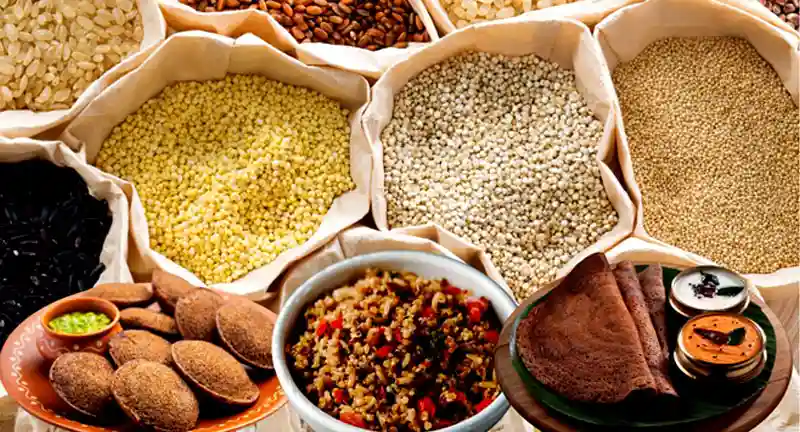
Modern Usage of Millets
Today, millets are incorporated into a variety of modern recipes and dietary plans:
- Breakfast: Millet porridge, upma, and smoothies.
- Lunch/Dinner: Millet rotis, khichdi, salads, and stir-fries.
- Snacks: Millet cookies, energy bars, and muffins.
- Beverages: Millet-based drinks and fermented beverages.
The benefits of millets are fully realized when they replace refined grains in daily meals, promoting better health and preventing lifestyle diseases.
How to Include Millets in Your Diet
Including millets in your diet is easy and versatile:
- Replace Rice or Wheat: Use millets instead of rice or wheat for meals.
- Millet Flour: Replace regular flour with millet flour for baking.
- Breakfast Bowls: Make millet porridge with fruits and nuts.
- Snacks: Prepare millet-based snacks like laddoos, bars, or pancakes.
Salads and Soups: Add cooked millets to salads and soups for extra fiber and nutrition.
Various Types and Their Special Uses
Pearl Millet (Bajra)
- Great for rotis and porridges.
- Helps control diabetes and anemia.
Finger Millet (Ragi)
- Ideal for infant food and elderly nutrition.
- Supports bone health and muscle strength.
Foxtail Millet
- Best for salads and upma.
- Supports cardiovascular and digestive health.
Barnyard Millet
- Perfect for weight loss diets.
- Aids in gut health and detoxification.
Little Millet
- Suitable for fasting foods and low-calorie diets.
- Enhances metabolism and liver function.
The benefits of millets in modern cooking ensure they are not only nutritious but also highly adaptable to various cuisines.
Environmental Benefits of Millets
Millets are also environmentally friendly:
- Drought-Resistant: Require less water compared to rice and wheat.
- Low Carbon Footprint: Minimal use of fertilizers and pesticides.
- Soil-Friendly: Improve soil health and reduce erosion.
By promoting millet consumption, we support sustainable agriculture while gaining numerous benefits of millets for health.
Conclusion
With their unparalleled nutritional richness and many health advantages, millets are a true superfood. The advantages of millets are well known, and they are crucial for a balanced and healthful lifestyle, from ancient medicine to contemporary diets.
Your daily meals will be a natural source of protein, fiber, vitamins, and minerals if you include millets including pearl, finger, foxtail, barnyard, and small millet. They assist weight control, strengthen immunity, manage diabetes, and enhance heart health.
Rediscover the power of these tiny grains and embrace their ancient wisdom for a healthier, sustainable, and energy-rich life.
FAQs About Millets
- What are the main benefits of millets?
Millets are high in protein, fiber, and vital minerals. They assist weight control, enhance heart health, facilitate digestion, strengthen immunity, and manage diabetes. - Which millet is best for bone health?
Finger millet (Ragi) is high in calcium and ideal for strengthening bones and preventing osteoporosis. - Are millets gluten-free?
Yes, all millets are naturally gluten-free, making them suitable for people with gluten intolerance or celiac disease. - How can I incorporate millets into my regular diet?
You can use millets in rotis, porridge, salads, upma, snacks, and even beverages to gain their full nutritional benefits. - Can millets help in weight loss?
Yes, millets are high in fiber and low in calories, helping you stay full longer and aiding in weight management. - What are the ancient uses of millets?
In Ayurveda and Chinese medicine, millets were used to improve digestion, boost immunity, strengthen bones, and provide sustained energy. - Are millets good for diabetics?
Yes, millets have a low glycemic index and help regulate blood sugar levels effectively. - Which millet is best for heart health?
Pearl millet and foxtail millet are particularly beneficial for heart health due to their magnesium and potassium content. - Can millets improve digestion?
Yes, the high fiber content in millets promotes smooth digestion, prevents constipation, and maintains gut health.
10. How many types of millets are there?
There are several types of millets, including Pearl Millet, Finger Millet, Foxtail Millet, Barnyard Millet, and Little Millet, each with unique health benefits.