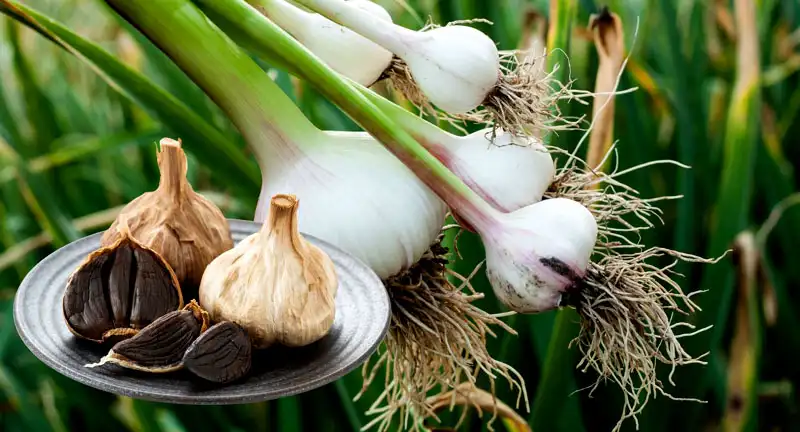
Black Garlic: The Ancient Superfood with Modern Healing Power
Introduction: A Hidden Gem of Natural Medicine
With its dark, glossy look and sweet-savory flavor, black garlic may appear to be a culinary innovation, but it’s actually an age-old remedy with strong roots in traditional medicine. This garlic, in contrast to raw white garlic, undergoes a regulated fermentation process that modifies its flavor, texture, and health-promoting qualities. It began as an Eastern remedy and has now developed into a worldwide wellness fad.
This article will discuss the history, nutritional makeup, and health advantages of black garlic, as well as its application in both traditional and contemporary medicine. It will also contrast it with raw garlic, another potent natural cure.
Medical & Affiliate Disclosure
This content is for informational purposes only and does not constitute medical advice. Always consult a qualified healthcare professional before using any herbal or natural remedies, as the results may depend on the specific area and individual. Some links in this article may be affiliate links, meaning we may earn a commission at no extra cost to you if you purchase them. It will help to improve the website.
The Origin and History of Black Garlic
A Journey from East Asia to the World
The story of black garlic begins in East Asia, particularly Korea, Japan, and Thailand, where it was cherished not only as a food but also as a potent tonic. Ancient Korean records mention that garlic was fermented to enhance its “Qi” (vital life energy) and healing power. In Japanese folk medicine, this garlic was used to increase stamina and promote longevity.
The transformation from white to this garlic happens through fermentation-typically at 60–90°C (140–194°F) and high humidity for several weeks. This natural process doesn’t involve additives or burning; it’s the Maillard reaction, a complex chemical process that changes the garlic’s color, taste, and chemical composition.
Today, this garlic is not just an Asian delicacy-it’s become a global superfood, found in gourmet kitchens, health food stores, and nutritional supplements.
What is Black Garlic?
The Transformation Process
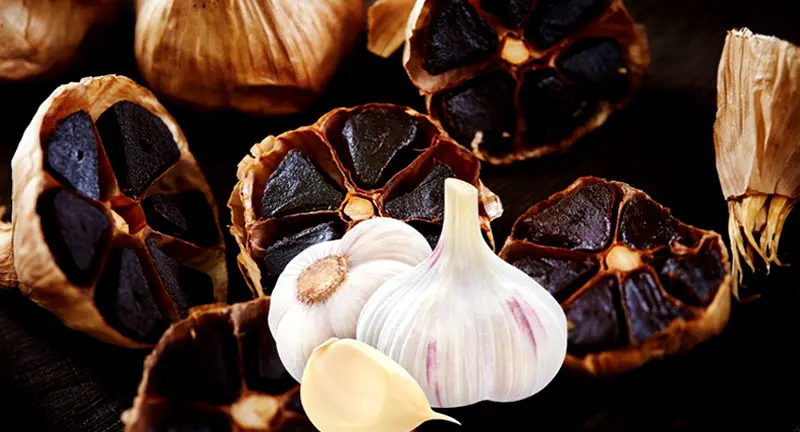
Black garlic starts as regular white garlic. Through aging and controlled heat, its sugars and amino acids react, turning the cloves black and giving them a soft, jelly-like texture and a rich umami flavor. The fermentation also reduces the pungent odor and spicy bite, making it more palatable for many people.
This transformation enhances garlic’s antioxidant levels, making it even more potent for health than its raw counterpart.
The Science Behind the Change
During fermentation, key compounds such as allicin (responsible for garlic’s sharp smell) convert into S-allyl-cysteine (SAC) and other antioxidants. These new compounds are more stable, easier to absorb, and have stronger therapeutic effects.
Nutritional Profile of Black Garlic
This garlic is a treasure trove of nutrients and bioactive compounds that promote overall wellness.
Key Nutrients and Compounds
Nutrient / Compound | Function |
S-Allyl-Cysteine (SAC) | Powerful antioxidant; supports heart and brain health |
Polyphenols | Reduce oxidative stress; anti-aging benefits |
Amino Acids | Support muscle repair and immune function |
Calcium & Phosphorus | Strengthen bones and teeth |
Vitamin C & B6 | Boost immunity and metabolism |
Iron & Zinc | Improve blood health and enzyme function |
Compared to raw garlic, black garlic contains up to 10 times more antioxidants, along with increased levels of SAC, flavonoids, and phenolic compounds-all of which play a major role in protecting the body against disease and aging.
Health Benefits of Black Garlic
Powerful Antioxidant Protection
This garlic is a rich source of antioxidants that neutralize harmful free radicals. These compounds slow down cellular aging, enhance skin health, and reduce the risk of chronic diseases such as heart disease, diabetes, and cancer.
Studies show that the antioxidant activity of black garlic is significantly higher than that of raw garlic due to the formation of SAC and Maillard-derived compounds during fermentation.
Supports Heart Health
One of the most studied benefits of black garlic is its ability to support cardiovascular health. It helps:
- Lower LDL (bad cholesterol)
- Increase HDL (good cholesterol)
- Improve blood circulation
- Reduce blood pressure
This garlic also prevents the oxidation of lipids in the blood, which is a key factor in atherosclerosis (hardening of the arteries).
Boosts Immunity and Fights Infections
In ancient and modern medicine, garlic has long been valued for its antimicrobial and antiviral properties. The fermentation process in black garlic enhances these immune-supporting effects.
Regular consumption helps strengthen the immune system, making the body more resistant to common infections, colds, and flu. It also supports faster recovery from illness.
Regulates Blood Sugar Levels
For those struggling with diabetes or insulin resistance, this garlic offers remarkable benefits. Research indicates that it can stabilize blood glucose levels by improving insulin sensitivity.
This is mainly due to SAC and phenolic compounds, which regulate glucose metabolism and protect pancreatic cells.
Improves Brain Function
Black garlic’s high antioxidant content helps combat neuroinflammation—a key factor in cognitive decline and diseases like Alzheimer’s and Parkinson’s.
It supports better memory, focus, and overall brain function by enhancing blood flow to the brain and protecting neurons from oxidative stress.
Enhances Liver Health and Detoxification
The liver plays a vital role in detoxifying the body, and black garlic can support this function. Its antioxidant compounds protect liver cells from damage caused by toxins and free radicals.
Studies have shown that black garlic extract reduces markers of liver injury and promotes healthy liver enzyme activity.
Aids in Weight Management
This garlic can help in weight control by enhancing metabolism and reducing fat accumulation. Its compounds help regulate lipid levels and improve digestion, making it an excellent addition to a balanced diet.
Cancer-Fighting Potential
Emerging studies suggest that black garlic’s active compounds may help inhibit the growth of certain cancer cells.
The S-allyl-cysteine and organosulfur compounds found in black garlic are believed to:
- Induce apoptosis (programmed death) in cancer cells
- Prevent DNA damage
- Inhibit tumor growth
Though more research is ongoing, these findings make black garlic a promising natural aid in cancer prevention.
Black Garlic in Ancient Medicine
Traditional Korean and Japanese Medicine
In ancient Korea, this garlic was known as a longevity tonic. It was believed to strengthen stamina, enhance vitality, and protect against fatigue. Korean herbalists prescribed it to boost energy and immunity, especially during seasonal transitions.
In Japanese medicine, this garlic was used to improve circulation and balance internal energy (“Ki”). Samurai warriors were said to eat black garlic before battles for endurance and recovery.
Chinese Traditional Medicine (TCM)
Chinese healers used garlic to warm the body, dispel toxins, and enhance lung and spleen function. With fermentation, black garlic was considered gentler on the stomach yet more potent in healing.
It was often recommended to the elderly to strengthen longevity, protect against weakness, and improve digestive health.
Source and references:PubMed (Scientific Review) – Black Garlic Bioactive Compounds & Health Effects
Modern Uses of Black Garlic
In Culinary Delights
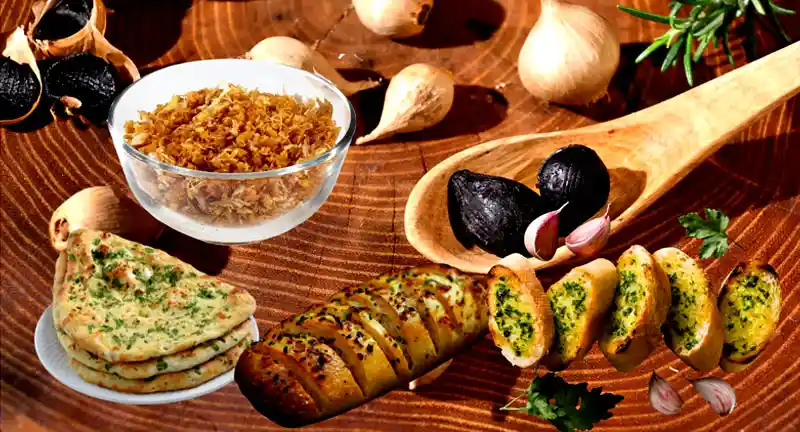
Black garlic has found its way into gourmet kitchens worldwide. Its sweet, tangy flavor with hints of balsamic and molasses makes it a favorite among chefs.
It can be used in:
- Salad dressings and sauces
- Marinades for meat or fish
- Spreads on bread or toast
- Soups and stews
- Pasta and rice dishes
Its umami depth enhances flavor without the sharpness of raw garlic, making it ideal for modern healthy cooking.
In Supplements and Functional Foods
Today, this garlic is widely available as capsules, powders, or extracts. These supplements are used for their immune-boosting, anti-aging, and heart-protective benefits.
You’ll also find this garlic infused in health tonics, teas, and even energy drinks.
How to Make Black Garlic at Home
Though commercial this garlic is produced in specialized fermenters, it can also be made at home with patience.
Ingredients:
- Whole garlic bulbs (fresh, unpeeled)
- A rice cooker, dehydrator, or slow cooker with temperature control
Steps:
- Clean and dry the garlic bulbs.
- Place them in the cooker at 60–70°C (140–160°F).
- Keep them for 3–4 weeks, maintaining humidity and temperature.
- Once done, the cloves will turn black and soft, with a sweet aroma.
Store in airtight containers to maintain freshness.
Black Garlic vs Normal (Raw) Garlic — What’s the Real Difference?
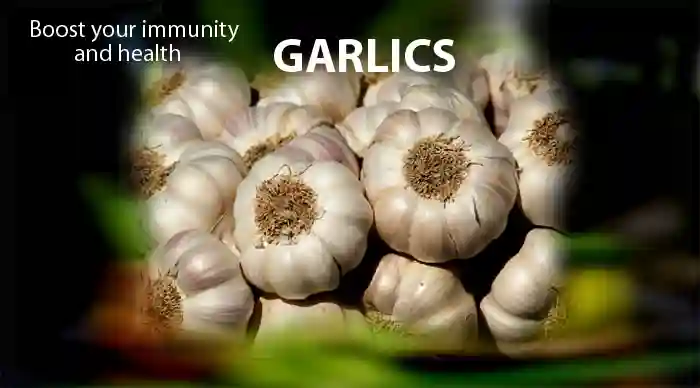
Black garlic is not a different species — it’s regular garlic that’s been aged under controlled heat and humidity until the cloves turn soft and black. That change may sound cosmetic, but it significantly alters flavor, chemistry, and how the garlic behaves in food and for health. Here’s a practical, research-friendly comparison so readers (and search engines) get the facts.
At a glance
| Feature | Black Garlic | Normal (Raw) Garlic |
|---|---|---|
| Processing | Aged/fermented at low heat and humidity for several weeks | Fresh, harvested and eaten raw or cooked |
| Color & texture | Deep black, soft, jelly-like | White to pale, firm or crunchy |
| Taste | Sweet, molasses-like, umami, no sharp bite | Pungent, spicy, sharp when raw |
| Smell | Mild, little to no lingering garlic breath | Strong garlic odor (especially raw) |
| Key bioactive | High S-allyl-cysteine (SAC) and Maillard reaction products | High allicin (when crushed/fresh) |
| Antioxidant level | Often higher (fermentation concentrates antioxidants) | High, but different profile; raw allicin is unstable |
| Shelf life | Longer when stored properly | Shorter; raw bulbs can sprout or rot |
| Culinary uses | Sauces, spreads, pastes, finishing; lends umami | Raw dressings, marinades, cooking base, raw remedies |
| Typical side effects | Gentler on stomach, minimal odor | Can irritate stomach, cause bad breath, heartburn in some |
Chemistry & health: allicin vs S-allyl-cysteine (SAC)
Raw garlic → allicin. When you crush fresh garlic, the enzyme alliinase converts alliin into allicin, the compound responsible for garlic’s sharp smell and many of its antimicrobial effects. Allicin is powerful but unstable (it breaks down when heated or during aging).
Black garlic → SAC and Maillard products. During aging, allicin and other unstable molecules transform into more stable compounds such as S-allyl-cysteine (SAC) and a range of polyphenols and Maillard reaction products. SAC is more bioavailable and survives digestion better, which explains why some cardiovascular and antioxidant benefits are stronger or easier to measure with black garlic.
Takeaway: raw garlic gives potent, immediate antimicrobial activity via allicin; black garlic delivers more stable, long-lasting antioxidant and metabolic support via SAC and related compounds.
Which is better for which health goal?
Fight infection (short term): Raw garlic. Allicin has documented antimicrobial, antiviral and antifungal properties useful in acute settings (e.g., topical use, or as part of a diet when fighting mild infections).
Antioxidant & chronic disease support: this garlic. Its aged compounds are excellent for long-term oxidative stress reduction, cardiovascular support, and neuroprotection.
Digestive tolerance: this garlic. The fermentation softens pungency and reduces gastric irritation — useful for people who can’t tolerate raw garlic.
Blood sugar & lipid management: Both show benefits, but black garlic’s stable compounds and easier absorption often make it a better choice for sustained metabolic support.
Culinary flexibility: They’re different tools — raw garlic gives heat and bite; black garlic adds sweet-umami depth.
Culinary & practical notes
Raw garlic best practice: To maximize allicin, crush or chop garlic and let it sit ~10 minutes before heating or eating; that allows alliinase to form allicin. If you cook immediately, much of the allicin is destroyed.
Black garlic best practice: No waiting needed-it’s ready to eat as is. Mash into dressings, fold into butter, use as a finishing paste on grilled vegetables or meats, or blend into sauces for deep umami without harshness.
Storage: Black garlic keeps longer in an airtight container and can be refrigerated. Raw bulbs are best kept cool and dry and used within weeks.
Side effects & drug interactions
Raw garlic can cause heartburn, stomach upset, and strong breath. In very high amounts it may raise bleeding risk (because of antiplatelet effects) -caution with blood thinners.
Black garlic is generally gentler (less odor, milder on the stomach). However, because it still contains organosulfur compounds it may also interact with anticoagulant medications or affect blood pressure/diabetes medications. Always advise readers to consult a healthcare provider when combining concentrated supplements or large dietary intakes with prescription drugs.
How to Incorporate Black Garlic into Your Diet
Here are some easy ways to enjoy this superfood:
- Morning Boost: Mix this garlic paste into warm water with honey.
- Spread: Blend this garlic cloves with olive oil for a healthy bread spread.
- Cooking: Add to soups, stir-fries, or roasted vegetables.
- Salad Dressing: Mash with balsamic vinegar and mustard for a tangy dressing.
Smoothies or Teas: Add a small amount of this garlic extract for an energy boost.
Which should you choose?
If you want strong antimicrobial action, pungent flavor, or are using garlic as a short-term home remedy: choose raw garlic (mindful of tolerance and cooking technique).
If you want gentle daily antioxidant, cardiovascular, or metabolic support and a versatile culinary ingredient: choose black garlic.
Best of both worlds: use them together in different contexts-raw garlic for raw sauces or when you need the bite, this garlic for depth, daily wellness, and dishes where you don’t want sharp heat.
Conclusion: The Timeless Power of Black Garlic
This garlic is more than a culinary trend-it’s a timeless natural remedy reborn in the modern era. From its roots in ancient Asian medicine to its role as a global wellness superfood, its health-promoting powers remain unmatched.
Rich in antioxidants, gentle on the stomach, and bursting with sweet, savory flavor, this garlic supports heart health, immunity, brain function, and overall vitality. this garlic deserves a regular place in your diet-and your journey to natural health.
Frequently Asked Questions-About Black Garlic
1. What is black garlic and how is it made?
This garlic is made by fermenting regular white garlic bulbs at a controlled temperature (60–90°C) and high humidity for several weeks. This natural aging process turns the cloves black and enhances their sweetness, texture, and antioxidant content.
2. What are the main health benefits of black garlic?
This garlic supports heart health, lowers cholesterol, boosts immunity, improves brain function, regulates blood sugar, and acts as a powerful antioxidant. It also has potential anti-cancer and anti-aging properties due to high levels of S-allyl-cysteine (SAC) and polyphenols.
3. Is black garlic better than raw garlic?
Yes, in many ways. While raw garlic is rich in allicin, black garlic contains more stable and bioavailable compounds like S-allyl-cysteine, making it gentler on the stomach and more effective in antioxidant protection. It also has a sweeter, milder taste, making it easier to eat regularly.
4. Can I make black garlic at home?
Absolutely! You can make this garlic using a rice cooker, dehydrator, or slow cooker that maintains a steady temperature of 60–70°C (140–160°F). Place whole garlic bulbs inside and let them age for 3–4 weeks. Keep them dry and check periodically for texture and color.
5. How should I eat black garlic?
You can eat this garlic raw, spread it on bread, mix it in sauces, or add it to soups, stir-fries, and salad dressings. It can also be taken as a supplement in capsule or powder form for daily health support.
6. Does black garlic have any side effects?
This garlic is generally safe for most people. However, excessive consumption may cause mild stomach upset or lower blood pressure. Those on heart, diabetes, or blood pressure medications should consult a healthcare provider before using supplements.
7. How long does black garlic last?
Properly stored, this garlic can last for up to 3 months at room temperature in an airtight container, or 6 months when refrigerated. Always keep it away from moisture and direct sunlight.
8. Is black garlic suitable for everyone?
Yes, this garlic is suitable for most people, including vegetarians and vegans. However, individuals with garlic allergies or those on certain medications should seek medical advice before consuming large amounts.
9. Can black garlic help with weight loss?
Yes, this garlic may aid in weight management by improving metabolism, balancing blood sugar, and reducing fat accumulation. Combined with a healthy diet and exercise, it supports natural weight loss efforts.