
Black Turmeric Plant: The Ancient Root with Modern Healing Power
Turmeric immediately conjures up images of the golden-yellow spice that gives curry its vivid hue. Black turmeric (Curcuma caesia) is a unique and ethereal member of the turmeric family that has been used for ages in traditional medicine but is just now becoming well-known worldwide.
Black turmeric is prized in Ayurvedic, Unani, and traditional medicine for its potent therapeutic qualities. It is distinguished by its deep bluish-black rhizome and distinct earthy scent. This lesser-known relative of golden turmeric is a real powerhouse of natural wellbeing, doing everything from strengthening immunity and reducing pain to fighting infections and inflammation.
Medical & Affiliate Disclosure
This content is for informational purposes only and does not constitute medical advice. Always consult a qualified healthcare professional before using any herbal or natural remedies, as the results may depend on the specific area and individual. Some links in this article may be affiliate links, meaning we may earn a commission at no extra cost to you if you purchase them. It will help to improve the website.
Origin and History of Black Turmeric
A Sacred Herb of Ancient India
The Black Turmeric plant, scientifically known as Curcuma caesia Roxb., belongs to the Zingiberaceae (ginger) family-the same family as regular turmeric (Curcuma longa) and ginger (Zingiber officinale). Native to India and parts of Southeast Asia, this herb has been cultivated for thousands of years for both its medicinal and spiritual significance.
In ancient Indian traditions, black turmeric was considered a sacred root used in Tantric rituals and Ayurvedic healing. The dark blue rhizome was believed to contain mystical energy, often used in spiritual ceremonies to ward off negative energy and attract prosperity.
Regions such as Madhya Pradesh, Odisha, West Bengal, and Assam in India are known for cultivating this rare herb. Outside India, it also grows in Indonesia, Nepal, and parts of Thailand where it’s valued in local herbal medicine.
Botanical Description of the Black Turmeric Plant
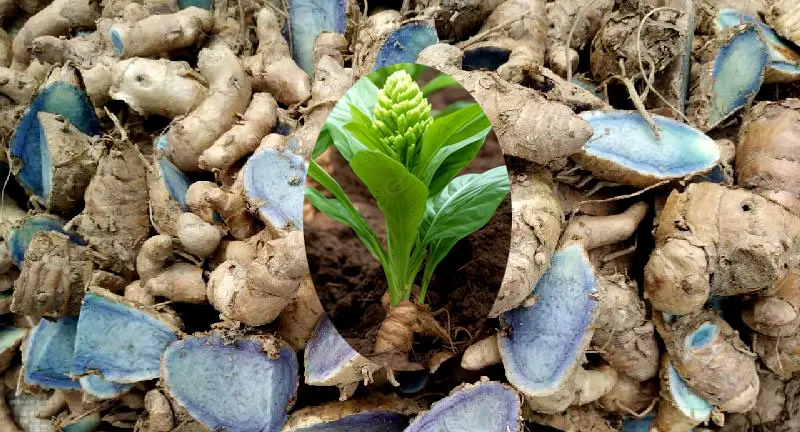
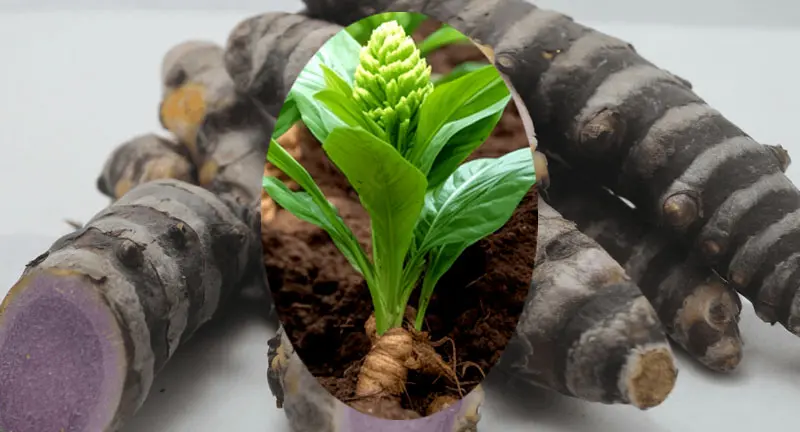
The black turmeric plant closely resembles its golden counterpart in appearance, except for its rhizome color. It is a perennial herb that grows up to 1 meter tall, with broad, long green leaves and a distinctive violet streak running down the center.
- Scientific name: Curcuma caesia Roxb.
- Family: Zingiberaceae
- Common names: Black Turmeric, Kali Haldi (Hindi), Nalla Pasupu (Telugu), Karum Manjal (Tamil), Kala Haldi (Bengali)
- Plant type: Rhizomatous herb
- Flower color: Pale yellow with pinkish-purple tinge
The rhizome (root) of black turmeric is bluish-black inside, with a camphor-like aroma and slightly bitter taste. It contains natural volatile oils, curcuminoids, and essential phytochemicals responsible for its medicinal effects.
Nutritional Profile of Black Turmeric
While research on black turmeric’s full nutritional profile is still emerging, several studies show it to be rich in bioactive compounds similar to- and in some cases, stronger than-those in golden turmeric.
Key Nutrients and Compounds in Black Turmeric:
- Curcuminoids:
- The main active ingredient in turmeric, responsible for anti-inflammatory and antioxidant effects.
- Black turmeric contains unique variations of curcuminoids that exhibit stronger anti-cancer and antimicrobial properties.
- Essential Oils:
- Contains camphene, ar-turmerone, borneol, and zingiberene which aid in relieving respiratory and digestive problems.
- Phenolic Compounds:
- Potent antioxidants that protect cells from oxidative stress and free radical damage.
- Flavonoids and Alkaloids:
- Natural compounds known for their anti-inflammatory, pain-relieving, and neuroprotective functions.
- Vitamins and Minerals:
Includes trace amounts of vitamin C, magnesium, potassium, and manganese, which support immune and metabolic health.
Health Benefits of Black Turmeric
Black turmeric is a potent herbal medicine with a wide range of benefits supported by traditional use and modern research. Here are some of the most powerful health benefits of this remarkable plant
Anti-inflammatory and Pain-Relieving Properties
The curcuminoids and essential oils in black turmeric work as natural COX-2 inhibitors, reducing inflammation and pain without harmful side effects. It is traditionally used to relieve:
- Arthritis and joint pain
- Muscle soreness
- Menstrual cramps
- Chronic inflammatory diseases
Regular use helps improve flexibility and reduce swelling in joints.
Source and References: Scientific article on Black Turmeric (Curcuma caesia)
Boosts Immunity and Fights Infections
Black turmeric is known for its antimicrobial and antifungal actions, making it effective in fighting bacterial, viral, and fungal infections.
It strengthens the immune response and protects the body against seasonal flu, respiratory infections, and skin diseases.
Supports Respiratory Health
In traditional medicine, black turmeric is used as a natural remedy for asthma, bronchitis, and pneumonia.
Its volatile oils act as natural expectorants, helping clear mucus and ease breathing. The herb’s anti-inflammatory nature also reduces airway inflammation and allergic reactions.
Improves Digestive Health
This turmeric supports healthy digestion by stimulating the secretion of digestive enzymes and bile. It is used to:
- Relieve gas and bloating
- Treat indigestion and stomach cramps
- Improve liver function
- Support detoxification
Its carminative and antispasmodic effects help relax intestinal muscles, promoting better digestion.
Enhances Brain Function and Reduces Stress
This turmeric contains neuroprotective antioxidants that help improve memory, focus, and cognitive function.
In Ayurveda, it’s also used as an adaptogen-a natural stress reliever that balances the nervous system and reduces anxiety, depression, and fatigue.
Natural Remedy for Skin and Wound Healing
The antimicrobial and anti-inflammatory nature of black turmeric makes it excellent for skin care and healing wounds.
It is used in traditional ointments for:
- Treating cuts, burns, and insect bites
- Reducing acne and scars
- Brightening dull skin
- Fighting skin infections
A paste made from the rhizome and honey can be applied directly to the skin for faster healing.
Potential Anti-Cancer Properties
Preliminary studies suggest that the curcuminoids and phenolic compounds in black turmeric possess anti-cancer potential by inhibiting tumor cell growth and promoting apoptosis (cell death of cancerous cells).
It shows promise in research against breast, lung, and colon cancers, although more human studies are needed.
Regulates Blood Sugar and Metabolism
This turmeric may help in controlling diabetes and improving metabolism.
Its antioxidant compounds help lower oxidative stress in pancreatic cells, regulate insulin production, and improve glucose utilization-contributing to better blood sugar control.
Relieves Menstrual Pain and Balances Hormones
For women, black turmeric has long been used in traditional medicine to ease menstrual discomfort and hormonal imbalance.
Its natural antispasmodic and pain-relieving effects reduce cramps and promote overall reproductive health.
Strengthens the Liver and Detoxifies the Body
The herb helps the liver flush out toxins and protects it from oxidative damage. It’s often used in Ayurvedic liver tonics to treat jaundice, fatty liver, and sluggish digestion.
Black Turmeric in Ancient Medicine
In Ayurveda:
In Ayurvedic medicine, black turmeric (Kali Haldi) is classified as a “rasayana” — a rejuvenating herb that restores balance to the body and mind. It is used for:
- Enhancing vitality and immunity
- Treating respiratory disorders
- Balancing Vata and Kapha doshas
- Alleviating digestive and reproductive system disorders
In Unani and Tribal Medicine:
Tribal healers in Odisha and Assam have used black turmeric for centuries to treat snake bites, wounds, cough, and digestive issues. In Unani medicine, it’s valued for its carminative, antispasmodic, and analgesic actions.
In Traditional Rituals:
Apart from its medicinal use, black turmeric has been considered a spiritual plant, used in rituals to attract wealth and protection. Many still believe it brings positive energy when planted at home.
Modern Uses of Black Turmeric
In recent years, black turmeric has gained recognition in alternative and herbal wellness industries. It’s now used in:
- Herbal Supplements: Capsules, tinctures, and powders to support immune, joint, and liver health.
- Aromatherapy: Its essential oil is used to relieve anxiety and muscle pain.
- Skincare Products: Incorporated in creams and masks for acne and pigmentation.
- Functional Foods and Teas: Added for flavor and health benefits.
However, it remains a rare and expensive herb compared to common turmeric due to limited cultivation and high demand.
Black Turmeric vs Golden Turmeric: What’s the Difference?
While both belong to the Curcuma genus and share similar benefits, they differ significantly in color, composition, and purpose.
Feature | Black Turmeric (Curcuma caesia) | Golden Turmeric (Curcuma longa) |
Rhizome Color | Deep blue or black inside | Bright yellow to orange |
Taste & Aroma | Bitter, camphor-like, earthy | Warm, slightly bitter, aromatic |
Main Active Compound | Curcuminoids + Camphene & Borneol | Curcumin |
Primary Use | Medicinal, spiritual, rare tonic | Culinary spice & medicine |
Availability | Rare, limited regions | Widely available |
Medicinal Strength | Stronger anti-inflammatory & analgesic | Excellent antioxidant & anti-inflammatory |
Cost | Expensive | Affordable |
In essence, golden turmeric is primarily used in cooking and general wellness, while black turmeric is prized for its therapeutic potency and spiritual value.
How to Use Black Turmeric Safely
Traditional and Modern Ways to Use:
- Black Turmeric Powder:
Mix ¼ teaspoon with warm milk or honey once daily for general health.
(Note: Always start with a small amount due to its strong nature.) - Black Turmeric Paste:
Apply externally on joints, wounds, or inflamed skin areas for relief. - Black Turmeric Tea:
Boil a small piece of the root in water with ginger and lemon. Drink once daily to boost immunity. - Essential Oil:
Used in aromatherapy or massage oils for relaxation and pain relief (diluted with carrier oil).
Caution: Pregnant women, lactating mothers, and people with gallbladder issues should consult a doctor before use. Excess consumption may cause stomach irritation.
Cultivation and Conservation
Due to overharvesting and habitat loss, black turmeric has become rare and endangered in many parts of India. Conservation efforts are underway to preserve this valuable herb through organic farming and seed banks.
It thrives best in warm, humid climates with well-drained soil and partial shade. Farmers in Odisha and Madhya Pradesh have started commercial cultivation due to increasing demand from herbal medicine companies.
Conclusion: A Root of Power, Healing, and Mystery
The Black Turmeric plant is more than just a spice-it’s a symbol of ancient wisdom and healing power. Packed with potent bioactive compounds, it offers remarkable benefits for the immune system, digestion, inflammation, and mental wellness.
Modern research is rapidly revealing its amazing potential as a 21st-century natural medicine, even though it is still less well-known than golden turmeric. Black turmeric continues to serve as a reminder that nature has potent cures just waiting to be rediscovered, whether it is utilized traditionally or in contemporary supplements.
FAQs About Black Turmeric Plant
- What is black turmeric plant used for?
This turmeric plant (Curcuma caesia) is mainly used in traditional medicine for its anti-inflammatory, pain-relieving, antimicrobial, and immune-boosting properties. It is commonly used to manage joint pain, respiratory problems, digestive issues, skin wounds, and hormonal imbalance. Unlike golden turmeric, it is rarely used in daily cooking and is valued more for medicinal purposes.
- Is black turmeric safe to eat?
Yes, this turmeric is safe to consume in small, controlled amounts when properly prepared. It is usually taken as a powder, decoction, or herbal supplement. However, due to its strong bioactive compounds, excessive consumption may cause stomach irritation. Pregnant women, breastfeeding mothers, and people with medical conditions should consult a healthcare professional before using it.
- What are the main health benefits of black turmeric?
Some major health benefits of this turmeric include:
- Reduces inflammation and joint pain
- Boosts immunity and fights infections
- Supports respiratory health (asthma, bronchitis)
- Improves digestion and liver function
- Promotes wound healing and skin health
- Helps manage stress and improves brain function
- What is the difference between black turmeric and golden turmeric?
The main difference lies in their color, usage, and medicinal strength.
- Black turmeric has a dark blue or black rhizome and is mainly used in medicinal and spiritual practices.
- Golden turmeric has a bright yellow rhizome and is widely used as a culinary spice and general health remedy.
Black turmeric is rarer and considered more potent for pain and inflammation, while golden turmeric is more commonly consumed daily.
- Can black turmeric help with arthritis and joint pain?
Yes, this turmeric is traditionally used for arthritis, joint pain, and muscle inflammation. Its anti-inflammatory compounds help reduce swelling and stiffness, making it useful for people suffering from chronic pain conditions when used regularly and safely.
- Is black turmeric good for the immune system?
Absolutely. this turmeric contains powerful antioxidant and antimicrobial compounds that strengthen the immune system. It helps the body fight infections, reduces oxidative stress, and improves overall resistance to diseases.
- Can black turmeric be applied to the skin?
Yes. this turmeric is often used externally as a paste for:
- Wound healing
- Cuts and burns
- Acne and skin infections
Insect bites
Its antibacterial properties help prevent infection and speed up healing. Always do a Before using it on delicate skin, do a patch test.
- Is black turmeric beneficial for respiratory problems?
Yes, this turmeric is widely used in traditional medicine to relieve asthma, cough, bronchitis, and congestion. Its expectorant and anti-inflammatory effects help clear mucus and ease breathing.
- How should black turmeric be consumed for health benefits?
This turmeric can be consumed in several ways:
- Powder: Mixed with warm milk or honey
- Herbal tea: Boiled with water, ginger, or lemon
- Capsules or supplements: For controlled dosage
- Paste: For external use on joints or skin
It’s best to start with a small amount and observe how your body responds.
- Does black turmeric have anti-cancer properties?
Preliminary studies suggest that black turmeric contains compounds that may help inhibit abnormal cell growth and reduce oxidative damage. While research is promising, it should not be considered a cure for cancer and should only be used as a supportive natural remedy alongside medical advice.
- Can black turmeric help control blood sugar levels?
Some evidence indicates that black turmeric may help improve insulin sensitivity and metabolic function, making it potentially beneficial for people managing blood sugar levels. However, it should not replace prescribed diabetes medication.
- Is black turmeric rare and expensive?
Yes, this turmeric is considered a rare and endangered medicinal plant in many regions due to limited cultivation and high demand. This makes it more expensive than normal turmeric and often available only through specialized herbal suppliers.
- Can black turmeric be grown at home?
Yes, this turmeric can be grown at home in warm, humid climates with well-drained soil and partial shade. It takes around 8–10 months to mature and is commonly grown for personal medicinal use.
- Are there any side effects of black turmeric?
When taken in moderation, this turmeric is generally safe. Possible side effects of overuse include:
- Stomach upset
- Nausea
- Digestive discomfort
Avoid excessive consumption and always follow dosage recommendations.
- Is black turmeric mentioned in ancient medicine?
Yes, this turmeric has been mentioned in Ayurveda, Unani medicine, and tribal healing traditions for centuries. It was used for treating inflammation, wounds, respiratory disorders, and also held spiritual significance in ancient rituals.