Discover Gale of Wind: Nature’s Powerful Healer for Kidneys, Liver, and Beyond
Introduction
Gale of Wind (Phyllanthus niruri), often called the stonebreaker herb, is a small green plant with enormous medicinal potential. This remarkable herb has been used for centuries in Ayurveda, Traditional Chinese Medicine (TCM), Amazonian medicine, and African traditional healing. Its primary claim to fame is preventing and breaking kidney stones naturally, but research and traditional knowledge show it also supports liver health, blood sugar regulation, immunity, and digestive wellness.
The herb is widely recognized as a natural remedy with hepatoprotective, antiviral, anti-inflammatory, and antioxidant properties. With modern research validating many of its traditional uses, Gale of Wind is increasingly being incorporated into herbal teas, capsules, tinctures, and supplements worldwide.
In this comprehensive guide, we will explore every aspect of Gale of Wind-from its botany and history to its scientific evidence, traditional remedies, cultivation, dosage, and cultural significance. By the end, you’ll understand why this plant is a true gem of natural medicine.
Medical & Affiliate Disclosure
This content is for informational purposes only and does not constitute medical advice. Always consult a qualified healthcare professional before using any herbal or natural remedies, as the results may depend on the specific area and individual. Some links in this article may be affiliate links, meaning we may earn a commission at no extra cost to you if you purchase them. It will help to improve the website.
Botanical Overview
- Scientific Name: Phyllanthus niruri
- Common Names: Gale of Wind, Stonebreaker, Chanca Piedra (Spanish), Quebra Pedra (Portuguese), Bhumi Amla (Sanskrit)
- Family: Phyllanthaceae
- Plant Type: Annual herb
- Height: 30–70 cm
- Habitat: Tropical and subtropical regions
Physical Characteristics
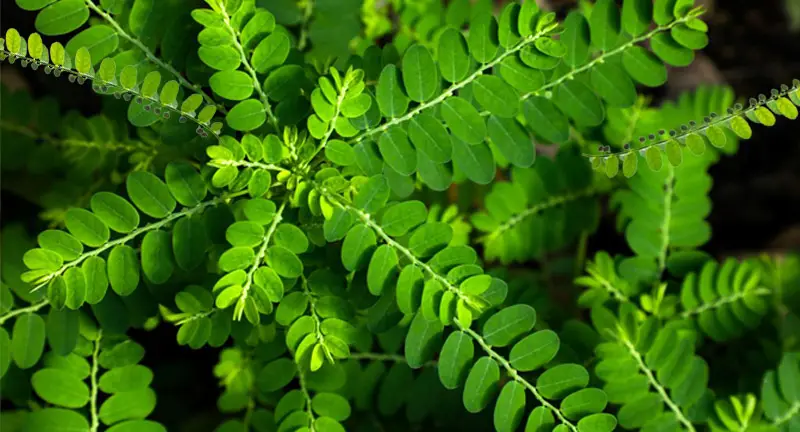
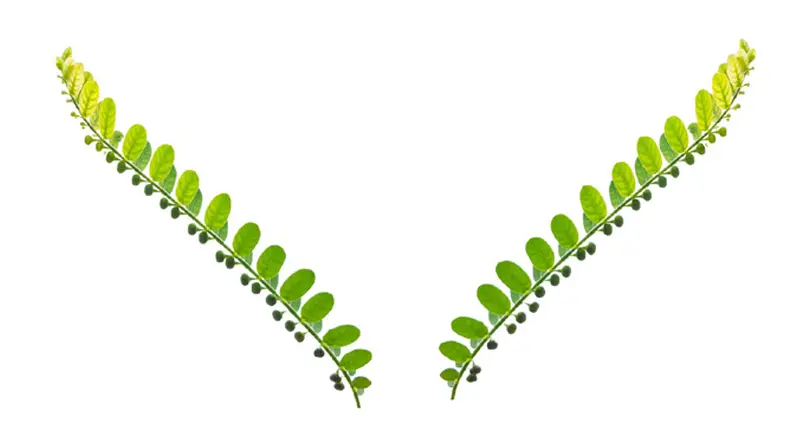
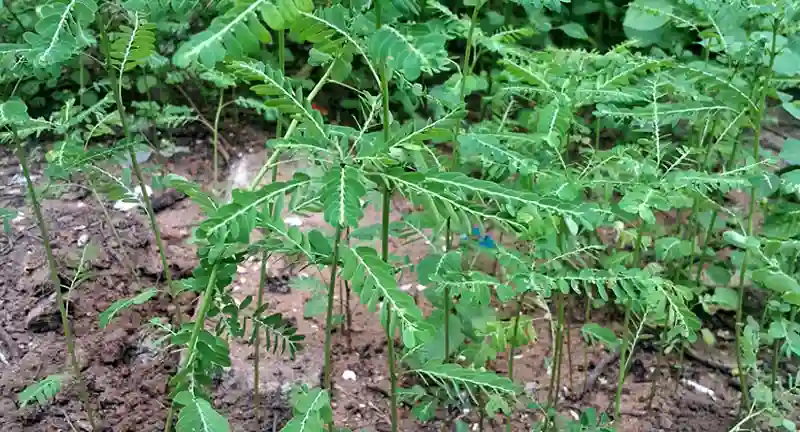
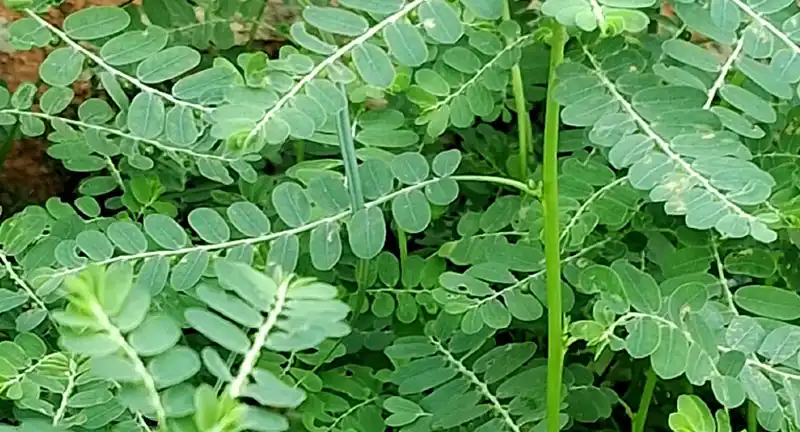
Gale of Wind is a slender, green herb with feather-like leaves arranged alternately along its stems. Tiny, pale green flowers bloom along the branches, producing small capsules containing seeds. Its delicate appearance belies the plant’s powerful medicinal properties, making it one of the most versatile herbs in traditional medicine.
Origins and Global Distribution
Gale of Wind is native to tropical regions worldwide, thriving in moist, warm climates with plenty of rainfall.
- India: Known as Bhumi Amla in Ayurveda, it has been used for jaundice, liver disorders, and kidney stones for centuries.
- Amazon (Peru, Brazil): Known as Chanca Piedra, meaning “stone breaker,” it is traditionally used to treat kidney stones, malaria, fever, and digestive problems.
- Africa: Used to manage fever, diabetes, dysentery, and hypertension.
- Southeast Asia: Employed for urinary tract health and liver detoxification.
This wide geographical distribution highlights the herb’s global acceptance and its long-standing medicinal value across cultures.
Historical and Traditional Uses
In Ayurveda
- Bhumi Amla is categorized as Tikta (bitter) and Kashaya (astringent).
- Traditionally used for liver disorders, jaundice, spleen enlargement, asthma, and diabetes.
- Considered a detoxifying and cooling herb that balances the body’s Pitta and Kapha doshas.
In Traditional Chinese Medicine (TCM)
- Known as Zhen Zhu Cao or Yin Chen Cao.
- Used to treat damp-heat conditions, including jaundice, hepatitis, urinary tract infections, and skin diseases.
In Amazonian Folk Medicine
- Brewed as a tea or decoction to help break kidney and gallstones, reduce fever, and combat malaria.
- Applied topically for wound healing and skin infections.
In African Traditional Medicine
- Used to manage diabetes, fever, malaria, and digestive disorders.
- Recognized as a general tonic and detoxifying herb.
Cultural Significance
- In India, Bhumi Amla is associated with purification and detoxification rituals.
- In the Amazon, shamans use it in healing ceremonies to cleanse the body and spirit.
Globally, it is considered a symbol of natural healing, resilience, and organ protection.
Phytochemistry: The Healing Compounds of Gale of Wind
Gale of Wind owes its therapeutic effects to a rich combination of bioactive compounds:
- Lignans: Phyllanthin and Hypophyllanthin – support liver function and protect against toxins.
- Flavonoids: Quercetin, Kaempferol – act as antioxidants, reducing oxidative stress and inflammation.
- Tannins: Gallic acid, ellagic acid – antimicrobial and astringent, useful for digestive health.
- Alkaloids: Support kidney stone prevention and urinary health.
- Terpenes and Polyphenols: Boost immunity and possess antiviral properties.
These compounds work synergistically, making Gale of Wind a multifunctional herbal remedy.
Medicinal Benefits of Gale of Wind
Kidney Stone Prevention and Treatment
The most famous use of Gale of Wind is as a natural kidney stone remedy:
- Helps break down calcium oxalate crystals.
- Relaxes urinary tract muscles to facilitate stone expulsion.
- Reduces stone recurrence when taken regularly.
Scientific Evidence:
A study in the Journal of Urology found that Gale of Wind extract reduced stone formation and helped expel small stones naturally.
Traditional Preparation:
- Boil 1 teaspoon of dried leaves in 2 cups of water.
Drink 1–2 cups daily for several weeks.
Liver Protection and Detoxification
Gale of Wind is a hepatoprotective herb:
- Supports detoxification and regeneration of liver cells.
- Helps in managing hepatitis, jaundice, and fatty liver disease.
- Stimulates bile flow, aiding digestion.
Research Insight:
Studies confirm its ability to inhibit viral replication and reduce liver inflammation.
Traditional Recipe:
Fresh leaf juice mixed with honey consumed in the morning and Fresh leaf juice mixed with buttermilk can support liver health.

Antioxidant and Anti-inflammatory Effects
- Reduces oxidative stress that causes chronic diseases.
- Helps prevent arthritis, heart disease, and premature aging.
Acts as a natural anti-inflammatory, easing joint pain and inflammation.
Blood Sugar Regulation
- Improves insulin sensitivity.
- Helps maintain healthy glucose levels, useful in type 2 diabetes.
Protects against diabetic complications like neuropathy and kidney damage.
Antiviral and Antimicrobial Activity
- Effective against hepatitis B virus, inhibiting viral DNA polymerase.
- Shows potential against HIV, herpes simplex, and dengue virus in lab studies.
Fights urinary tract and gastrointestinal infections.
Digestive Support
- Stimulates digestive enzymes and bile production.
- Relieves constipation, bloating, and indigestion.
Acts as a mild detoxifying agent for the gut.
Skin Health
- Treats eczema, rashes, and minor wounds.
- Antimicrobial compounds prevent infection.
Can be applied topically as a paste or included in herbal baths.
Immunity Booster
- Strengthens natural defense mechanisms.
- Helps the body resist viral, bacterial, and fungal infections.
Supports recovery during illness or post-infection.
Cultivation, Harvesting, and Sustainability
- Climate: Warm, tropical, and humid conditions.
- Soil: Loamy, sandy, well-drained soil with adequate moisture.
- Propagation: By seeds or cuttings.
- Harvesting: Best during flowering season when phytochemical concentration is highest.
Sustainability: Cultivation is encouraged to prevent overharvesting from the wild.
How to Use Gale of Wind
Herbal Tea
- Boil 1 tsp dried leaves in 1 cup water for 10 minutes.
- Drink 1–2 cups daily for kidney or liver support.
Decoction
- Simmer 2–3 tsp dried herb for 20–30 minutes.
- Take 1 cup daily for stone prevention or detoxification.
Capsules and Tablets
- Usually standardized 400–500 mg doses.
- Convenient for long-term use.
Tinctures and Extracts
- Liquid concentrates for faster absorption.
Follow manufacturer instructions for dosage.
Side Effects and Precautions
- Generally safe when used as recommended.
- Possible mild effects: stomach upset, dizziness, or increased urination.
- Avoid during pregnancy, breastfeeding, or with severe hypoglycemia.
Consult a doctor if combining with antidiabetic, diuretic, or antiviral medications.
Scientific Studies and Clinical Evidence
- Kidney Stones: Reduces calcium oxalate crystal aggregation.
- Hepatitis B: Inhibits viral replication.
- Diabetes: Lowers blood sugar in animal studies.
Antioxidant Activity: Neutralizes free radicals, supporting overall health.
Source and references:Wikipedia-Phyllanthus niruri
Cultural & Spiritual Significance
In many traditions, Gale of Wind is seen not only as a medicine but also as a purifying plant:
- In India, it symbolizes detoxification and renewal.
In the Amazon, shamans use it in healing rituals for cleansing the body and spirit.
Comparison with Other Herbs
- Milk Thistle: Protects liver but not kidneys.
- Dandelion Root: Diuretic and detoxifying but less effective on stones.
Ashwagandha: Reduces stress; Gale of Wind detoxifies and supports kidney-liver health.
Future of Gale of Wind
- Increasingly used in integrative and modern herbal medicine.
- Potential applications in kidney stone prevention, liver detox programs, viral infection support, and diabetes management.
Rising demand globally in teas, supplements, and extracts.
Buying Guide
- Choose organic, pesticide-free products.
- Look for standardized extracts (phyllanthin content 4–6%).
Buy from reputable herbal brands with third-party testing.
Conclusion
Gale of Wind (Phyllanthus niruri) is a potent, adaptable herb that connects traditional knowledge with contemporary research. It is a vital plant for natural wellness because of its immune-stimulating, liver-protecting, and stone-breaking qualities. You can safely utilize its benefits for cleansing, vigor, and long-term health by adding it to teas, capsules, or tinctures.
Frequently Asked Questions
- Why is Gale of Wind called the stonebreaker herb?
Because it helps dissolve and expel kidney and gallstones naturally. - Can it cure hepatitis B?
It may reduce viral replication and support liver function but is not a substitute for medical treatment. - How long should I take Gale of Wind for kidney stones?
Traditionally, 2–4 weeks of daily tea or capsules. Consult a doctor for chronic cases. - Is it safe for children?
Not recommended without medical supervision. - Can it lower blood pressure?
Yes, mildly; caution is advised if taking blood pressure medications. - Can pregnant women use it?
No, avoid during pregnancy and breastfeeding. - Where can I buy Gale of Wind?
Available online and in herbal shops as teas, capsules, powders, and tinctures. - Is Bhumi Amla the same as Gale of Wind?
Yes, Bhumi Amla is the Ayurvedic name for Phyllanthus niruri. - How should I take it daily?
Through tea, capsules, or tinctures. Follow recommended doses.
10. Are there side effects?
Mild stomach upset, dizziness, or low blood sugar in some cases