Ginkgo Biloba: The Ancient Brain-Boosting Miracle Plant for Memory, Circulation, Longevity & Total Body Wellness
Why Ginkgo Biloba Is Called Nature’s Living Treasure
Ginkgo biloba is more than just another medicinal herb. It is a botanical survivor that has endured for over 270 million years on Earth, outlasting ice ages, climate changes, and even nuclear disasters. Due to its remarkable resilience, it is often referred to as a “living fossil” by scientists. This extraordinary plant has been utilized for centuries in both traditional healing systems and contemporary medicine to enhance brain performance, circulation, cardiovascular health, and longevity.
Ginkgo biloba has become one of the best-selling herbal supplements globally, particularly favored by those looking for natural remedies for memory loss, mental fatigue, stress management, and cognitive decline associated with aging. Ginkgo acts gently with the body, unlike synthetic drugs, by improving blood circulation, safeguarding nerve cells, and lessening oxidative stress.
This thorough guide will take you through all aspects of Ginkgo biloba, including its origins, nutritional constituents, historical applications, contemporary scientific uses, extensive health benefits, recommended dosages, safety measures, and prospective medical implications.
What Is Ginkgo Biloba? A Botanical Overview
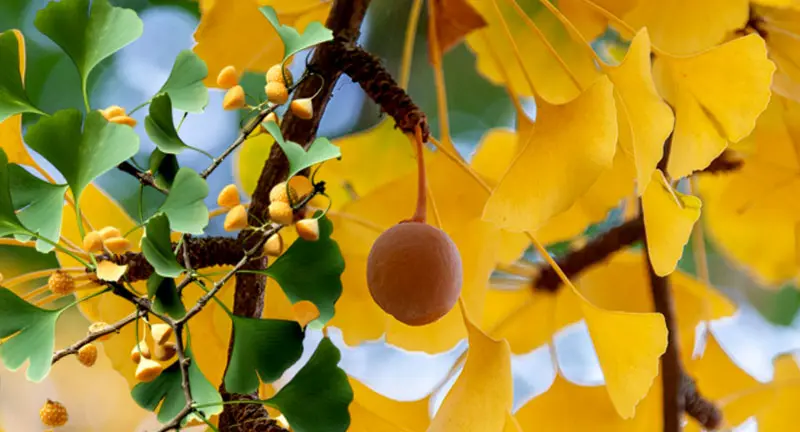
Ginkgo biloba is a large deciduous tree known for its distinct fan-shaped leaves and strong resistance to pollution and disease. It is the only surviving species of the ancient Ginkgoaceae family, making it biologically unique.
Botanical Details
- Scientific Name: Ginkgo biloba
- Common Names: Maidenhair tree, Fossil tree
- Family: Ginkgoaceae
- Plant Type: Deciduous tree
- Native Region: China
- Lifespan: Up to 1,000 years or more
The medicinal value of Ginkgo mainly comes from its leaves, which are carefully dried and processed to create standardized extracts. Although the seeds are used in traditional medicine, leaf extracts are preferred for modern supplements due to safety and consistency.
Origin and Historical Journey of Ginkgo Biloba
Ancient Roots in China
Ginkgo biloba originated in China, where it has been cultivated near temples and monasteries for thousands of years. Ancient Chinese texts mention the use of Ginkgo seeds and leaves for treating respiratory conditions, improving circulation, strengthening the brain, and supporting longevity.
Monks believed Ginkgo trees carried spiritual energy and planted them in sacred spaces as symbols of wisdom and endurance.
Spread Across Asia and Europe
From China, Ginkgo spread to Japan and Korea, where it became integrated into traditional herbal medicine. During the 18th century, European botanists introduced Ginkgo to the West. Germany played a major role in developing standardized extracts, which later became popular worldwide.
Survival Through History
One of the most fascinating facts about Ginkgo biloba is its survival after the Hiroshima atomic bomb in 1945. Several trees continued growing despite extreme radiation exposure. This remarkable event strengthened Ginkgo’s reputation as a symbol of resilience and healing.
Nutritional and Phytochemical Profile of Ginkgo Biloba
Although Ginkgo is not consumed as food, its medicinal strength lies in its bioactive plant compounds.
Key Active Components
1. Flavonoids
Flavonoids act as powerful antioxidants that:
- Neutralize free radicals
- Protect brain cells
- Reduce inflammation
- Slow aging processes
2. Terpenoids (Ginkgolides and Bilobalides)
These compounds are responsible for:
- Improving blood circulation
- Protecting nerve tissue
- Preventing platelet aggregation
- Supporting heart health
3. Polyphenols
Polyphenols strengthen the immune system and protect organs from oxidative stress.
4. Organic Acids and Trace Elements
These support cellular metabolism and overall vitality.
How Ginkgo Biloba Works Inside the Body
Ginkgo biloba acts on multiple biological pathways. Unlike single-target medicines, it provides whole-body support.
Improves Blood Flow
Ginkgo widens blood vessels and improves circulation to vital organs such as the brain, heart, eyes, and limbs.
Enhances Oxygen Delivery
By improving blood flow, Ginkgo increases oxygen supply to cells, boosting energy and mental alertness.
Protects Nerve Cells
Its antioxidant compounds protect neurons from damage caused by aging, toxins, and stress.
Reduces Inflammation
Chronic inflammation contributes to many diseases. Ginkgo helps regulate inflammatory responses.
Comprehensive Health Benefits of Ginkgo Biloba
Enhances Memory and Cognitive Performance
One of the most popular uses of Ginkgo biloba is improving brain function. It is commonly used by students, professionals, and elderly individuals.
Benefits include:
- Improved short-term memory
- Better focus and attention span
- Faster mental processing
- Reduced brain fog
- Enhanced learning ability
Ginkgo supports the hippocampus, the brain region responsible for memory formation.
Supports Alzheimer’s Disease and Dementia Management
Although not a cure, Ginkgo biloba is widely used as a supportive therapy for neurodegenerative disorders.
It may help:
- Slow cognitive decline
- Improve daily activity performance
- Reduce confusion
- Support emotional balance
Doctors in Europe frequently prescribe Ginkgo extracts for early-stage dementia.
Improves Blood Circulation and Vascular Health
Ginkgo strengthens blood vessel walls and improves circulation throughout the body.
This helps:
- Reduce numbness in hands and feet
- Prevent cold extremities
- Support healthy blood pressure
- Improve oxygen transport
Better circulation also supports organ function and physical performance.
Supports Heart and Cardiovascular Health
Ginkgo biloba helps maintain heart health by:
- Reducing oxidative stress
- Improving arterial flexibility
- Supporting healthy cholesterol balance
- Enhancing blood flow to the heart
It complements lifestyle changes such as exercise and balanced nutrition.
Reduces Anxiety, Depression, and Stress
Ginkgo supports mental health by regulating neurotransmitters and stress hormones.
Benefits include:
- Reduced anxiety symptoms
- Improved emotional stability
- Better mood regulation
- Reduced mental fatigue
It is often combined with adaptogenic herbs such as Ashwagandha and Rhodiola.
Improves Vision and Eye Health
Ginkgo enhances blood flow to the retina and optic nerves.
It may help:
- Reduce age-related macular degeneration
- Support glaucoma management
- Improve visual sharpness
- Reduce digital eye strain
People who spend long hours on screens often benefit from Ginkgo supplementation.
Supports Hearing and Tinnitus Relief
Many tinnitus cases are linked to poor circulation in the inner ear. Ginkgo improves blood supply to auditory nerves and may help reduce ringing and hearing discomfort.
Promotes Anti-Aging and Skin Health
Ginkgo’s antioxidant power helps protect skin cells from premature aging.
Skin benefits include:
- Reduced wrinkles and fine lines
- Improved skin elasticity
- Enhanced natural glow
- Protection against UV damage
- Improved wound healing
Ginkgo is commonly used in anti-aging cosmetic formulations.
Boosts Physical Energy and Endurance
By improving oxygen delivery, Ginkgo increases stamina and physical performance.
Athletes and active individuals use it for:
- Improved endurance
- Faster recovery
- Reduced fatigue
Better muscle oxygenation
Supports Sexual Health and Libido
Ginkgo improves blood circulation to reproductive organs.
This may help:
- Improve erectile function
- Enhance libido
- Support reproductive wellness
- Improve sexual performance
It is often included in natural sexual wellness supplements.
Traditional Uses of Ginkgo Biloba in Ancient Medicine
Traditional Chinese Medicine (TCM)
In ancient China, Ginkgo seeds were prescribed for:
- Asthma and respiratory problems
- Chronic cough
- Digestive disorders
- Bladder infections
- General weakness
Leaves were later recognized for neurological and circulatory benefits.
Japanese and Korean Herbal Medicine
In East Asia, Ginkgo was used to strengthen lung function, support digestion, and promote longevity.
Ginkgo Biloba in Modern Medicine
Today, Ginkgo extracts are used in:
- Memory enhancement supplements
- Stroke recovery therapy
- Cognitive decline management
- Anti-aging formulations
- Eye health products
- Circulatory support medicine
Many doctors recommend Ginkgo as a complementary therapy alongside conventional treatment.
Different Forms of Ginkgo Biloba Supplements
1. Capsules and Tablets
Most common form with standardized dosage.
Recommended dose:
120–240 mg daily
2. Ginkgo Tea
Provides mild relaxation and antioxidant benefits.
Preparation method:
- Add dried leaves to hot water
- Steep for 10 minutes
- Drink once daily
3. Liquid Extracts and Tinctures
Fast absorption and high potency.
Typical dose:
- 20–40 drops twice daily
4. Powdered Extract
Used in herbal formulations and smoothies.
Best Time and Method to Take Ginkgo Biloba
- Morning or afternoon for mental alertness
- Take with meals for better absorption
- Avoid night consumption if sensitive to stimulation
- Maintain consistent daily use
Possible Side Effects and Safety Guidelines
Ginkgo is generally safe but may cause mild side effects:
- Headache
- Dizziness
- Upset stomach
Skin irritation (rare)
Who Should Avoid Ginkgo?
- Pregnant or breastfeeding women
- People taking blood thinners
- Those with bleeding disorders
- Patients before surgery
Always consult a healthcare professional before starting supplementation.
How to Choose High-Quality Ginkgo Supplements
Look for:
- Standardized extract (24% flavonoids, 6% terpenoids)
- GMP-certified manufacturing
- Third-party lab testing
- Organic sourcing
- No artificial additives
Quality determines effectiveness.
Ginkgo Biloba in Ayurveda and Integrative Medicine
Although not originally part of Ayurveda, Ginkgo is now widely used in integrative herbal therapies for:
- Brain rejuvenation
- Nervous system strengthening
- Memory improvement
- Stress reduction
It is often combined with Brahmi, Shankhpushpi, and Gotu Kola.
Environmental and Ecological Importance of Ginkgo Trees
Ginkgo trees are highly valued in urban environments.
They offer:
- Air pollution resistance
- Climate adaptability
- Long lifespan
- Shade and oxygen production
- Soil stabilization
They contribute to sustainable green spaces.
Scientific Research and Future Medical Potential
Ongoing research is exploring Ginkgo’s role in:
- Parkinson’s disease support
- Stroke rehabilitation
- Cancer therapy support
- Inflammation control
- Brain regeneration
Its potential continues to expand.
Conclusion:
Ginkgo biloba is genuinely one of the most potent herbal remedies that nature provides. Its advantages range from enhancing brain function and safeguarding the heart to decelerating aging and promoting better circulation, with validation from both age-old knowledge and contemporary research.
For herbal wellness platforms such as wellnessherbo.com, Ginkgo biloba serves as a significant cornerstone topic that is in line with natural healing trends and the worldwide demand for supplements.
This ancient tree can help unlock better memory, a stronger immune system, improved vitality, and long-term wellness when used responsibly and consistently.
FAQs : About Ginkgo Biloba
- How long does Ginkgo biloba take to show results?
Most people begin to notice improvements in memory, focus, and mental clarity within 4 to 6 weeks of regular use. However, for conditions such as cognitive decline or circulation issues, it may take 8 to 12 weeks to experience noticeable benefits. Consistency is essential, as Ginkgo works gradually by improving blood flow and cellular health.
- Is Ginkgo biloba safe for daily long-term use?
Yes, Ginkgo biloba is generally considered safe for long-term daily use when taken in recommended doses. Many users take it continuously for several months or even years. However, it is important to take short breaks after prolonged use and consult a healthcare professional if you are using it alongside medications.
- Can Ginkgo biloba improve memory in students and young adults?
Yes, Ginkgo biloba can benefit students and young adults by enhancing concentration, attention span, learning ability, and mental performance. It improves blood flow to the brain, which supports faster information processing and reduced mental fatigue. Many students use it during exam preparation to improve focus and productivity.
- Does Ginkgo biloba help with anxiety and stress?
Ginkgo biloba may help reduce symptoms of mild anxiety and stress by regulating stress hormones and improving brain neurotransmitter function. Its antioxidant properties also help protect the nervous system from stress-related damage. When combined with lifestyle changes and relaxation techniques, Ginkgo can contribute to emotional balance and mental calmness.
- Can Ginkgo biloba help with tinnitus (ringing in the ears)?
Yes, Ginkgo biloba is commonly used as a natural remedy for tinnitus and hearing-related issues. It improves blood circulation to the inner ear and auditory nerves, which may help reduce ringing, buzzing sounds, and hearing discomfort. Results vary depending on the cause and severity of tinnitus.
- Is Ginkgo biloba beneficial for elderly people?
Absolutely. Ginkgo biloba is widely used by older adults to support brain health, memory retention, circulation, heart function, and overall vitality. It may help slow age-related cognitive decline and improve quality of life by supporting mental alertness and physical energy.
- Can Ginkgo biloba be taken with other herbal supplements?
Yes, Ginkgo biloba can be safely combined with many herbal supplements such as Brahmi, Ashwagandha, Gotu Kola, Ginseng, and Turmeric. These combinations often provide enhanced brain, stress, and immunity benefits. However, avoid combining Ginkgo with blood-thinning herbs without professional advice.
- Does Ginkgo biloba improve blood circulation and heart health?
Yes, Ginkgo biloba is well-known for improving blood circulation and vascular function. It helps widen blood vessels, reduce blood thickness, and improve oxygen delivery to tissues. This supports heart health, reduces cold hands and feet, and enhances overall cardiovascular performance.
- Can Ginkgo biloba cause side effects?
Most people tolerate Ginkgo biloba well. However, mild side effects may include:
- Headache
- Dizziness
- Stomach discomfort
- Allergic skin reactions (rare)
These effects usually disappear when dosage is adjusted. Serious side effects are uncommon when taken correctly.
- Who should avoid using Ginkgo biloba?
Certain individuals should avoid Ginkgo biloba or consult a doctor before using it:
- Pregnant and breastfeeding women
- People taking blood-thinning medications
- Individuals with bleeding disorders
- Patients scheduled for surgery
- People with epilepsy or seizure disorders
Medical supervision is strongly recommended in these cases.
- What is the best dosage of Ginkgo biloba?
The most commonly recommended dosage is 120 to 240 mg per day, divided into two or three doses. Always choose standardized extracts containing 24% flavonoids and 6% terpenoids for best results. Beginners should start with lower doses and gradually increase if needed.
- Is it better to take Ginkgo biloba in the morning or at night?
Ginkgo biloba is best taken in the morning or early afternoon. Since it increases blood flow and mental alertness, taking it at night may interfere with sleep in some people. Taking it with food improves absorption and reduces stomach discomfort.