Ginseng Plant: The Ultimate Herbal Powerhouse for Energy, Immunity, Brain Health, and Longevity
Why Ginseng Is Called the King of Medicinal Herbs
Ginseng plant is among the most potent and revered medicinal plants globally. Revered as the “King of Herbs,” ginseng has a history of use spanning thousands of years in the traditional medicine systems of Asia and North America. This extraordinary root is valued for its capacity to enhance energy levels, mental performance, immune strength, and overall vitality.
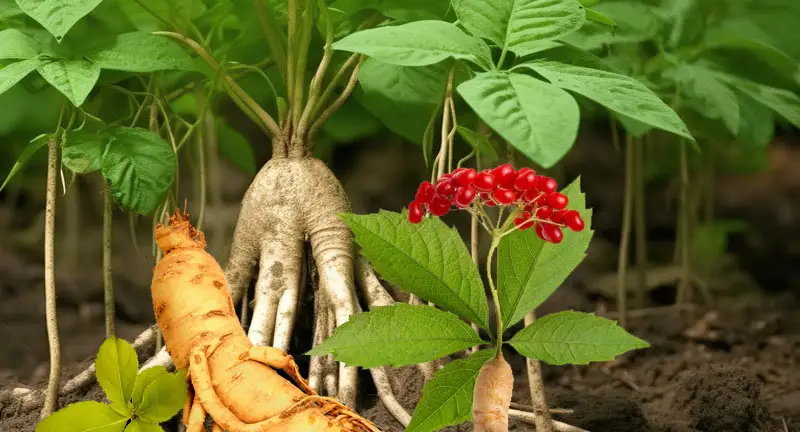
The term “ginseng” is derived from the Chinese expression Rénshēn, which translates to “man root,” as the root frequently resembles the shape of a human body. This resemblance was taken as a sign by ancient healers that ginseng could cure the whole body, and modern science is finding more evidence to back this belief.
Today, it is commonly found in herbal supplements, teas, tonics, capsules, skincare products, and functional drinks. Its popularity keeps increasing as more.
What Is Ginseng? Understanding the Medicinal Plant
It is a slow-growing perennial plant belonging to the genus Panax. The name Panax comes from Greek, meaning “cure-all,” reflecting the herb’s historical reputation as a universal remedy.
The medicinal value of ginseng is primarily concentrated in its thick, fleshy root, which takes several years to mature. As the plant ages, the root accumulates higher levels of beneficial compounds, making older roots more valuable and potent.
Different Types of Ginseng plant
Asian Ginseng (Panax ginseng)
This type of ginseng, also referred to as Chinese or Korean ginseng, is said to be energizing and warming. It is widely used to boost energy levels, enhance focus, improve endurance, and support sexual health.
American Ginseng (Panax quinquefolius)
American ginseng has cooling and calming properties. It is often recommended for stress relief, immune support, and blood sugar balance.
Siberian Ginseng (Eleutherococcus senticosus)
Although technically not a true ginseng, it is classified as an adaptogen and provides similar benefits such as fatigue reduction and immune enhancement.
Each type of ginseng offers unique advantages depending on individual health needs.
Origin and History of Ginseng plant
Ancient Chinese Roots
The earliest records of ginseng use date back over 5,000 years in ancient China. The herb was described in classical medical texts such as the Shennong Ben Cao Jing, which categorized ginseng as a superior tonic herb capable of restoring vitality and prolonging life.In imperial China, wild ginseng was extremely rare and expensive. It was reserved for emperors, royal families, and elite warriors due to its powerful rejuvenating effects.
Ginseng in Korean Culture
Korea has a long-standing tradition of cultivating and using red ginseng, which is produced through a steaming and drying process that enhances its medicinal potency. It remains one of the most exported herbal products in South Korea.
Native American Herbal Traditions
American ginseng was traditionally used by Native American tribes for treating respiratory problems, digestive disorders, headaches, fever, and infertility. Later, European traders exported American ginseng to China, where it became highly valued.
Global Spread in Modern Times
Today, it is cultivated commercially in China, South Korea, Canada, the United States, and parts of Europe. It is now one of the most researched medicinal herbs in the world.
Botanical Characteristics of the Ginseng Plant
The plant grows naturally in shaded forest environments with cool climates and fertile soil.
Physical Features
- Height: 30–60 cm
- Leaves: Palm-shaped with serrated edges
- Flowers: Small greenish-white blooms
- Fruits: Bright red berries
- Roots: Thick, branched, human-shaped structure
The plant requires 4 to 6 years to fully mature and develop its medicinal compounds.
Nutritional Value and Active Compounds
It contains a wide range of nutrients and phytochemicals responsible for its healing properties.
Key Bioactive Components
Ginsenosides
These are the primary active compounds in ginseng. They influence hormone regulation, immune function, brain activity, and inflammation control.
Polysaccharides
Support immune health and gut function.
Antioxidants
Protect cells from oxidative damage and slow aging.
Vitamins and Minerals
- Vitamin B-complex
- Vitamin C
- Iron
- Potassium
- Calcium
- Magnesium
- Zinc
Together, these nutrients contribute to ginseng’s powerful adaptogenic effects.
Major Health Benefits of Ginseng plant
- Natural Energy Booster
It improves physical stamina and reduces fatigue by enhancing oxygen utilization and cellular energy production. Athletes and physically active individuals often use it to improve endurance and recovery.
Unlike caffeine, it provides sustained energy without causing nervousness or crashes.
- Strengthens Immune System
It stimulates immune cell activity and enhances the production of antibodies. Regular consumption may help reduce the frequency of infections such as colds, flu, and respiratory illnesses.
It also improves the body’s ability to recover from illness faster.
- Enhances Brain Health and Mental Performance
It improves blood flow to the brain, increasing oxygen and nutrient delivery. This supports:
- Memory enhancement
- Improved concentration
- Better learning ability
- Reduced mental fatigue
- Protection against cognitive decline
It is widely used by students and professionals to improve mental productivity.
- Supports Heart and Circulatory Health
It promotes healthy blood circulation and helps regulate blood pressure. It reduces bad cholesterol levels while improving good cholesterol, lowering the risk of cardiovascular disease.
Its antioxidant properties protect blood vessels from damage and plaque formation.
- Regulates Blood Sugar Levels
It improves insulin sensitivity and glucose metabolism. Studies suggest it may help stabilize blood sugar levels in people with type 2 diabetes when combined with proper medical care.
- Improves Sexual Health and Fertility
It has been used for centuries as a natural aphrodisiac.
Benefits for Men
- Improves erectile function
- Boosts testosterone levels
- Enhances sperm quality
- Increases libido
Benefits for Women
- Supports hormonal balance
- Reduces menopause symptoms
- Improves reproductive health
- Powerful Stress Adaptogen
It is an adaptogen that balances cortisol levels to help the body adjust to stress. It increases emotional resilience, stabilizes moods, and lessens anxiety. It is particularly beneficial for people experiencing burnout or chronic stress.
- Anti-Inflammatory and Pain Relief Effects
It reduces inflammation by blocking inflammatory pathways. This helps relieve symptoms of:
- Arthritis
- Joint pain
- Muscle soreness
Chronic inflammatory disorders
- Weight Management and Metabolism Support
It boosts metabolic rate and improves fat oxidation. It helps regulate appetite hormones and may assist in weight management when combined with healthy diet and exercise.
- Anti-Aging and Longevity Support
Ginseng’s antioxidant and cell-protective effects slow down aging processes. It improves skin elasticity, reduces wrinkles, and protects organs from age-related damage.
Many longevity experts consider ginseng a natural anti-aging herb.
Use of Ginseng in Ancient Medicine Systems
Traditional Chinese Medicine (TCM)
In TCM, ginseng is used to strengthen Qi (life energy), nourish organs, support digestion, and restore vitality after illness.
Korean Herbal Medicine
Korean practitioners use red ginseng to boost immunity, enhance stamina, and promote long-term wellness.
Ayurvedic Integration
Although native to Asia, ginseng is now used in Ayurveda as a rejuvenating herb similar to Ashwagandha. It is considered helpful for improving strength, vitality, and mental clarity.
Modern Uses of Ginseng in Health Industry
Today, it is widely used in pharmaceutical and nutraceutical products.
Popular Forms Available
- Capsules and tablets
- Herbal teas
- Liquid extracts
- Energy drinks
- Powder supplements
- Functional foods
- Skincare products
It is commonly added to multivitamins, sports nutrition products, and immunity boosters.
How to Use Ginseng plant Properly
Tea Preparation
Boil 1–2 grams of dried ginseng root in water for 10–15 minutes. Drink once or twice daily.
Powder Usage
Mix ginseng powder into smoothies, herbal drinks, or warm milk.
Capsule Supplements
Follow manufacturer instructions. Standard doses range from 200–400 mg daily.
Liquid Extracts
Add a few drops to water or juice for fast absorption.
Dosage Guidelines
Recommended daily dosage varies depending on the form:
- Dried root: 1–2 grams
- Standardized extract: 200–400 mg
- Tea: 1–2 cups daily
It is advised to cycle ginseng usage (for example, use for 6–8 weeks followed by a short break).
Side Effects and Safety Precautions
This root is generally safe when used responsibly.
Possible Side Effects
- Sleep disturbance
- Mild headaches
- Digestive upset
- Increased heart rate
Nervousness at high doses
Who Should This root
- Pregnant or breastfeeding women
- People with uncontrolled hypertension
- Individuals on blood-thinning medication
- People with hormone-sensitive conditions
Always consult a healthcare professional before long-term use.
Choosing High-Quality Ginseng Products
Check Botanical Name
Ensure the label mentions Panax ginseng or Panax quinquefolius.
Root Age Matters
Older roots contain higher ginsenoside concentration.
Organic Certification
Choose pesticide-free organic products.
Standardized Extracts
Look for ginsenoside content labeling for consistent potency.
Ginseng in Skincare and Beauty Products
It is increasingly used in cosmetic formulations.
Skin Benefits
- Improves blood circulation to skin
- Boosts collagen production
- Brightens complexion
- Reduces pigmentation
- Slows wrinkle formation
It is widely used in Korean beauty products.
Environmental Impact and Sustainability
Overharvesting has reduced wild ginseng populations. Sustainable farming practices and ethical sourcing are now encouraged to protect this valuable plant.
Consumers should choose responsibly cultivated ginseng products to support environmental conservation.
Conclusion:
This ginseng plant is not only a herbal supplement; it is a natural remedy with a long history of use that promotes energy, immune function, mental clarity, sexual health, heart health, and longevity.
It remains one of the most valuable medicinal plants globally, thanks to its potent adaptogenic properties and scientifically validated benefits.
When sourced responsibly and used correctly, ginseng can significantly improve overall health and quality of life.
Frequently Asked Questions About Ginseng
1. What is ginseng used for?
The ginseng plant is mainly used to boost energy levels, improve immunity, enhance brain function, reduce stress, support sexual health, regulate blood sugar, and promote overall wellness. It is widely consumed as a natural supplement to increase physical endurance and mental clarity.
2. Can ginseng be taken daily?
Yes, The ginseng plant can be taken daily when consumed in recommended doses. Many people use it as a daily tonic for energy and immunity. However, it is best to follow a cycle pattern such as using ginseng for 6 to 8 weeks and then taking a short break to prevent tolerance buildup.
3. How long does ginseng take to show results?
Most users begin to notice improvements in energy, focus, and stress levels within 1 to 2 weeks of regular use. Long-term benefits such as immune strengthening and hormonal balance may take several weeks of consistent consumption.
4. Is ginseng safe for everyone?
The ginseng plant is generally safe for healthy adults. However, pregnant women, breastfeeding mothers, people with high blood pressure, heart conditions, autoimmune disorders, or those taking blood-thinning medications should consult a healthcare professional before using This supplements.
5. What is the best time to take ginseng?
The best time to take This root is in the morning or early afternoon. Since ginseng can increase energy and alertness, taking it late in the evening may cause sleep disturbances in some individuals.
6. What is the difference between red ginseng and white ginseng?
Red ginseng is steamed and dried, which increases the concentration of active compounds and improves shelf life. White ginseng is sun-dried without steaming. Red ginseng is considered more potent and is commonly used for immunity, stamina, and anti-aging benefits.
7. Can ginseng help with weight loss?
It may support weight management by improving metabolism, regulating appetite hormones, and enhancing fat oxidation. While it is not a magic weight loss solution, combining ginseng with a balanced diet and regular exercise can help achieve better results.
8. Does ginseng improve sexual performance?
Yes, it has been traditionally used as a natural aphrodisiac. It helps improve blood circulation, enhance libido, support erectile function in men, and promote hormonal balance in women, contributing to overall sexual wellness.
9. Can ginseng be taken with other herbal supplements?
It can be safely combined with herbs such as Ashwagandha, turmeric, ginger, and tulsi for enhanced health benefits. However, combining multiple supplements should be done cautiously and under professional guidance.
10. Is ginseng good for skin and hair health?
Yes, The ginseng plant promotes better blood circulation, boosts collagen production, and protects skin cells from oxidative damage. It is commonly used in skincare products to improve skin brightness, reduce wrinkles, and strengthen hair follicles.