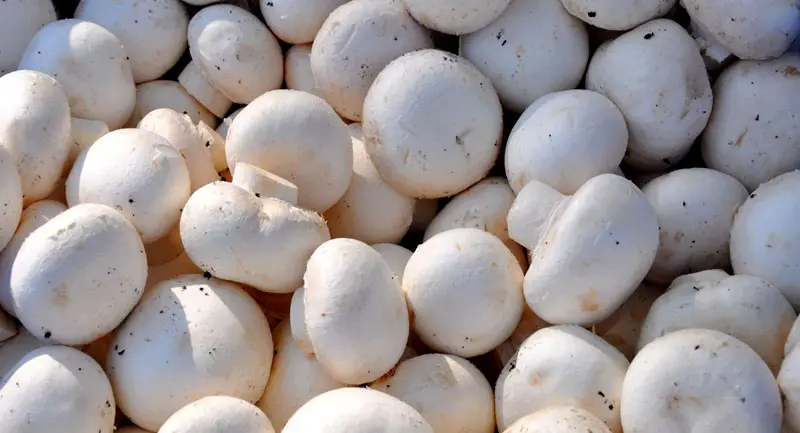
Health Benefits of Edible Mushrooms: Nature’s Superfood for Wellness and Longevity
Introduction
For centuries, people have valued mushrooms not only as delicious food but also as potent natural remedies. These intriguing fungi provide a multitude of nutrients, antioxidants, and medicinal substances, bridging the gap between food and medicine. These fungus have earned their status as one of nature’s most remarkable gifts, from ancient Chinese and Egyptian customs to contemporary nutritional science.
This comprehensive guide explores the origin, nutritional value, health benefits, medicinal uses, and various types of mushrooms, helping you understand why this humble fungus is celebrated around the world for wellness and longevity..
What Are Mushrooms?
They are fungal fruiting bodies that thrive in damp, dark, and nutrient-rich environments. They are neither plants nor animals but belong to the Fungi kingdom, which makes them biologically unique. Unlike plants, mushrooms don’t perform photosynthesis; instead, they derive nutrients from decomposing organic matter, playing a crucial role in the ecosystem by recycling nutrients back into the soil.
They have a delicate texture and rich, earthy flavor that enhances countless cuisines. Beyond taste, they are packed with vitamins, minerals, and bioactive compounds that make them a superfood for health and healing.
Medical & Affiliate Disclosure
This content is for informational purposes only and does not constitute medical advice. Always consult a qualified healthcare professional before using any herbal or natural remedies, as the results may depend on the specific area and individual. Some links in this article may be affiliate links, meaning we may earn a commission at no extra cost to you if you purchase them. It will help to improve the website.
The Origin and History of Mushrooms
The relationship between humans and mushrooms dates back thousands of years. Archaeological evidence suggests that They were used as food and medicine as early as 4,000 B.C.
- Ancient Egypt
The Egyptians believed They were the “Plant of Immortality.” Reserved for royalty, mushrooms were depicted in hieroglyphics as sacred symbols of longevity and divine connection.
- China and East Asia
In ancient China, mushrooms like Reishi (Ganoderma lucidum) and Shiitake (Lentinula edodes) were prized in traditional Chinese medicine (TCM). They were believed to enhance Qi (vital energy), improve immunity, and promote longevity. The Reishi mushroom, often called the “Mushroom of Immortality,” has been used for over 2,000 years in Asian healing traditions.
- Ancient Greece and Rome
Greek physicians like Hippocrates recognized mushrooms for their healing potential, using them to treat inflammation and wounds. Romans considered them a delicacy, calling them “Food of the Gods.”
- Indigenous Cultures
Various indigenous tribes in North and South America used psychoactive mushrooms in spiritual rituals to connect with nature and the divine. They believed these fungi opened portals to deeper understanding and consciousness.
Nutritional Profile of Mushrooms
They are one of the most nutrient-dense, low-calorie foods available. They contain a unique combination of essential vitamins, minerals, fiber, and antioxidants, all while being naturally fat-free and cholesterol-free.
Key Nutrients in This Superfood
Nutrient | Benefit |
Protein | Supports muscle growth and tissue repair |
Fiber | Aids digestion and supports gut health |
B Vitamins (B2, B3, B5) | Boosts energy metabolism and brain health |
Vitamin D | Supports bone health and immunity (especially sun-dried mushrooms) |
Selenium | Protects cells from oxidative stress |
Potassium | Regulates blood pressure and muscle function |
Copper and Zinc | Essential for immune function and enzyme activity |
Ergothioneine & Glutathione | Potent antioxidants that combat aging and chronic disease |
Calories and Macronutrients (per 100g of raw mushrooms):
- Calories: 22
- Protein: 3.1g
- Carbohydrates: 3.3g
- Fat: 0.3g
- Fiber: 1g
These fungi are a nutritional powerhouse, perfect for vegetarians and vegans looking for plant-based protein sources rich in minerals and vitamins.
Health Benefits of This Super Food
The benefits of This super food extend far beyond basic nutrition. Scientific research continues to uncover their powerful effects on immunity, inflammation, and chronic disease prevention.
- Boosts Immunity
It contains beta-glucans, polysaccharides that enhance immune response by activating macrophages and natural killer cells. Reishi, Shiitake, and Maitake mushrooms are particularly known for their immune-modulating effects.
- Rich in Antioxidants
Compounds like ergothioneine and selenium protect cells from oxidative stress, reducing the risk of chronic diseases and premature aging. Antioxidants also help maintain healthy skin and cellular function.
- Supports Heart Health
They are cholesterol-free and contain lovastatin-like compounds that help lower LDL (bad cholesterol). Their high potassium content helps regulate blood pressure and reduce cardiovascular strain.
- Promotes Gut Health
It acts as prebiotic, feeding beneficial gut bacteria. They also contain chitin and beta-glucans that support a balanced microbiome, improving digestion and nutrient absorption.
- Enhances Brain Function
Certain mushrooms, like Lion’s Mane (Hericium erinaceus), stimulate nerve growth factor (NGF) production, which supports memory, focus, and cognitive health. Studies suggest Lion’s Mane may help protect against dementia and Alzheimer’s.
- Regulates Blood Sugar
They have a low glycemic index and contain compounds that may improve insulin sensitivity, making them suitable for diabetics. Reishi and Maitake are especially beneficial for stabilizing glucose levels.
- Fights Inflammation
Mushroom extracts contain anti-inflammatory polysaccharides and triterpenoids, which may help relieve arthritis, allergies, and autoimmune disorders.
- Cancer Prevention Potential
Reishi, Turkey Tail, and Shiitake mushrooms have demonstrated anti-tumor properties in laboratory studies. They may slow cancer cell growth and support the immune system during chemotherapy.
- Supports Skin and Hair Health
The high levels of antioxidants and B vitamins in mushrooms promote radiant skin and stronger hair. Vitamin D-rich mushrooms also protect the skin from UV damage.
- Improves Mood and Reduces Stress
Adaptogenic mushrooms like Reishi and Cordyceps balance stress hormones and support adrenal health, helping the body adapt to physical and emotional stress.
Source and references: Medical News Today- Mushrooms: Nutritional Value and Health Benefits
Usage of Mushrooms in Ancient and Modern Medicine
In Traditional Chinese Medicine (TCM)
- Reishi (Lingzhi): Used for longevity, vitality, and immune support.
- Cordyceps: Boosts energy, stamina, and respiratory health.
- Shiitake: Strengthens immunity and supports liver health.
- Maitake: Balances blood sugar and enhances metabolism.
In Ayurvedic Medicine
In Ayurveda, They are considered rasayana, meaning rejuvenating foods that promote balance between body, mind, and spirit. Certain wild mushrooms were used to improve vitality, fertility, and mental clarity.
In Ancient European Medicine
Hippocrates used fungi extracts for wound healing and inflammation, while Roman healers valued truffles and morels for improving vigor and digestion.
In Modern Medicine
Today, mushroom-derived compounds are used in:
- Antibiotics (like Penicillin and Cephalosporin)
- Cholesterol-lowering drugs
- Antiviral and anticancer research
Nutraceuticals and dietary supplements
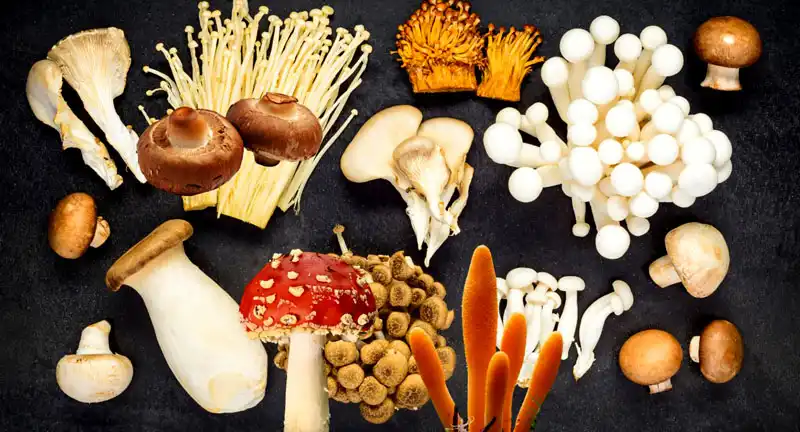
Different Types of Mushrooms and Their Benefits
There are over 10,000 known mushroom species, though only a few are edible or medicinal. Below are the most popular varieties used worldwide:
- Button Mushroom (Agaricus bisporus)
The most commonly consumed mushroom, rich in protein, B vitamins, and selenium. Supports metabolism and heart health.
- Shiitake Mushroom (Lentinula edodes)
Native to East Asia, known for its umami flavor and immune-boosting compounds like lentinan, used in cancer support therapies.
- Oyster Mushroom (Pleurotus ostreatus)
Rich in antioxidants and compounds that lower cholesterol. It also supports gut and liver health.
- Reishi Mushroom (Ganoderma lucidum)
Called the “Mushroom of Immortality,” Reishi enhances immunity, reduces stress, and supports cardiovascular health.
- Lion’s Mane (Hericium erinaceus)
Promotes brain health, nerve regeneration, and memory improvement. Often used in cognitive supplements.
- Maitake (Grifola frondosa)
Known as the “Dancing Mushroom,” Maitake helps balance blood sugar, support immunity, and promote weight management.
- Cordyceps (Cordyceps sinensis)
A powerful adaptogen that increases energy, endurance, and respiratory capacity—popular among athletes.
- Turkey Tail (Trametes versicolor)
Rich in polysaccharide peptides (PSP) and polysaccharide-K (PSK), which support immunity and cancer defense.
- Chaga (Inonotus obliquus)
A black, woody fungus found on birch trees, known for its high antioxidant and anti-aging properties.
- Porcini and Morel Mushrooms
Highly valued for culinary uses and rich in minerals like iron and zinc.
Not All Mushrooms Are Edible
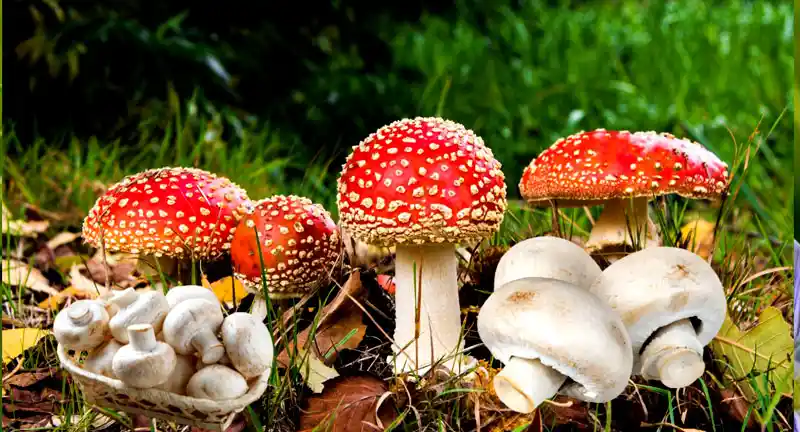
While many mushroom varieties are edible and packed with nutrients, not all mushrooms are safe for consumption. Some wild species are highly poisonous and can cause serious illness or even death if eaten.
Only consume mushrooms that are:
- Cultivated commercially (like Button, Shiitake, Oyster, or Portobello mushrooms)
- Identified by experts or sourced from trusted markets or suppliers
Never eat mushrooms collected from the wild unless you are absolutely certain of their species. Poisonous varieties such as Amanita phalloides (Death Cap) or Amanita muscaria (Fly Agaric) closely resemble edible mushrooms but are extremely toxic.
How to Use Of This Super Food for Health
- In Cooking:
- Add to soups, stews, curries, stir-fries, or pasta.
- Sauté with garlic and olive oil for a simple dish.
- Use dried mushrooms in broths or gravies for enhanced flavor.
- As Supplements:
- Reishi, Cordyceps, and Lion’s Mane are available as powders, capsules, or tinctures.
- These forms are concentrated and ideal for consistent daily intake.
- In Tea or Coffee Blends:
- Mushroom coffee and tea blends are gaining popularity as a caffeine alternative, offering calm focus without jitters.
- Topical Use:
These fungal extracts are used in skincare products for their anti-aging and brightening effects, due to their antioxidant content.
How to Grow Mushrooms at Home
Growing this is easier than most people think. You can grow them indoors using mushroom kits or spawn on substrates like straw, sawdust, or compost.
Steps:
- Prepare a clean, dark space with moderate humidity.
- Mix the spawn with your chosen substrate.
- Maintain a moist environment.
- Harvest after 3–4 weeks when the caps open fully.
Button and oyster mushrooms are the best options for beginners.
Precautions and Side Effects
While They are safe and nutritious, avoid wild mushrooms unless identified by an expert. Some species can be toxic or hallucinogenic.
- Allergic reactions are rare but possible.
Avoid excessive intake of medicinal mushroom supplements without professional advice if pregnant or under medication.
Frequently Asked Questions (FAQs)
- Are mushrooms vegetables or fungi?
Mushrooms are fungi, not vegetables, but they are categorized as vegetables for culinary and nutritional purposes. - Can these fungi boost the immune system?
Yes, mushrooms like Reishi, Shiitake, and Maitake contain beta-glucans that enhance immune function. - Do these fungi contain Vitamin D?
Yes! When exposed to sunlight, mushrooms naturally produce Vitamin D2. - Are mushrooms good for weight loss?
Yes, they are low in calories, high in fiber, and help promote fullness—ideal for weight management. - Can I eat this Fungi edible every day?
Absolutely. Regular consumption supports overall health and provides essential nutrients. - What are medicinal mushrooms?
Medicinal mushrooms include Reishi, Lion’s Mane, Cordyceps, Chaga, and Turkey Tail, known for healing and adaptogenic benefits. - How are Super Foods used in modern supplements?
They are available in capsules, powders, and tinctures that target immunity, brain health, and energy.
8. Are mushrooms safe during pregnancy?
Edible of this are safe, but consult a healthcare provider before using medicinal varieties during pregnancy.
Conclusion
They are a true gift from nature, offering an exceptional blend of nutrition, healing compounds, and culinary versatility. From boosting immunity and supporting the heart to enhancing brain health and longevity, mushrooms embody the philosophy of “food as medicine.”
Incorporating mushrooms-whether through diet, tea, or supplements-can help maintain balance, vitality, and resilience in daily life. Ancient wisdom and modern science agree: mushrooms are nature’s powerful allies for holistic wellness.