Oats for Heart Health: Nature’s Cholesterol Fighter
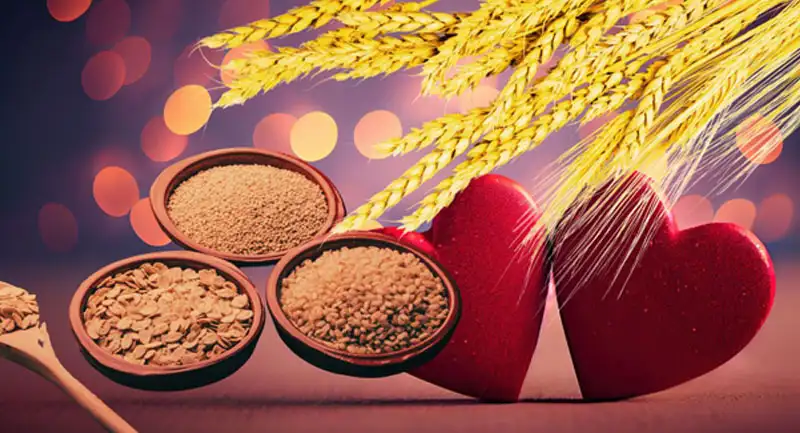
Oats are rich in beta-glucan, a soluble fiber that helps lower bad cholesterol (LDL) and supports healthy blood circulation. Regular consumption of oats improves heart function, reduces the risk of cardiovascular and helps learnt how Oats for heart health naturally.
Introduction
Heart disease is the world’s leading cause of death, but the good news is that simple dietary changes can make a big difference. Among all the foods linked to heart health, oats are one of the most researched and trusted grains. A warm bowl of oatmeal or a glass of oat milk does more than just fill your stomach — it works inside your body to lower cholesterol, reduce blood pressure, and improve circulation.
This article is a complete guide to how the oats for heart health. You’ll learn how oats protect your heart, the science behind their benefits, the best ways to include them in your daily meals, and practical tips to make oats a tasty, heart-friendly habit.
Why Oats Are Good, Oats for Heart Health
Oats belong to the group of whole grains that are packed with nutrients. They contain:
- Beta-glucan — a special soluble fiber that lowers cholesterol.
- Antioxidants (avenanthramides) — unique to oats, they reduce inflammation and improve blood vessel function.
- Plant protein and healthy fats — that contribute to balanced metabolism.
- Magnesium, potassium, and manganese — minerals that support blood pressure and circulation.
Unlike many refined cereals, oats are usually eaten in their whole form. This means they contain all three grain parts: bran (fiber), germ (nutrients), and endosperm (carbs) — giving you slow, steady energy while also protecting your heart.
Medical & Affiliate Disclosure
This content is for informational purposes only and does not constitute medical advice. Always consult a qualified healthcare professional before using any herbal or natural remedies, as the results may depend on the specific area and individual. Some links in this article may be affiliate links, meaning we may earn a commission at no extra cost to you if you purchase them. It will help to improve the website.
Beta-Glucan: The Heart-Protecting Fiber
The superstar nutrient in oats is beta-glucan, a type of soluble fiber. Here’s how it works:
- Forms a gel in the gut → traps cholesterol and bile acids.
- Forces the liver to use more cholesterol to make bile → lowers LDL (“bad cholesterol”) in the blood.
- Slows down digestion → keeps blood sugar stable, which is also good for long-term heart health.
Studies show that just 3 grams of beta-glucan daily (about one bowl of oatmeal) can lower LDL cholesterol by 5–10%.
Oats and Cholesterol: What Science Says
Dozens of studies confirm how that oats for heart health
- A review of 28 trials found that eating oats daily significantly lowered LDL cholesterol and total cholesterol, especially in people with high cholesterol.
- The U.S. Food and Drug Administration (FDA) recognizes oats as a heart-healthy food — one of the few foods allowed to carry this health claim.
Regular oat eaters also show improvements in non-HDL cholesterol and overall lipid profiles, which means less plaque buildup in arteries.
Oats and Blood Pressure
High blood pressure is another major risk for heart disease. Oats can help:
- The fiber and magnesium in oats support better blood vessel relaxation.
- Antioxidants in oats improve endothelial function (the lining of blood vessels), which helps blood flow smoothly.
Studies show that people who eat oats regularly may experience a small but meaningful drop in both systolic and diastolic blood pressure.
Oats and Inflammation
Inflammation in blood vessels is a hidden cause of heart attacks and strokes. Oats contain avenanthramides, rare antioxidants that:
- Reduce inflammation in arteries.
- Prevent LDL cholesterol from oxidizing (a process that makes cholesterol more harmful).
- Improve nitric oxide production, which widens blood vessels and improves circulation.
This is why oats are not just a cholesterol-lowering food — they are a whole-heart-protecting grain. So the oats for heart health is real.
How Much Oats Should You Eat Daily for Heart Benefits?
Experts recommend at least 3 grams of beta-glucan per day for measurable cholesterol reduction. That equals:
- 1 cup (about 80 g) of cooked rolled oats
- OR ¾ cup of steel-cut oats (cooked)
- OR 3 servings of oat-based foods (like oat bran, oat milk, or oat cereal)
For maximum benefit, make oats a daily habit instead of an occasional food.because Oats for Heart Health.
Best Types of Oats for Heart Health
Not all oats are processed the same way, but most retain their beta-glucan fiber. Here’s a quick comparison:
- Steel-cut oats — least processed, chewy, slow-digesting, excellent for steady blood sugar.
- Rolled oats — most common, faster cooking, good balance of nutrition and convenience.
- Quick oats — softer texture, still healthy but may digest faster.
- Instant oats — convenient but often flavored with added sugar and salt; best to choose plain.
- Oat bran — highest in beta-glucan, great to add to smoothies or baking.
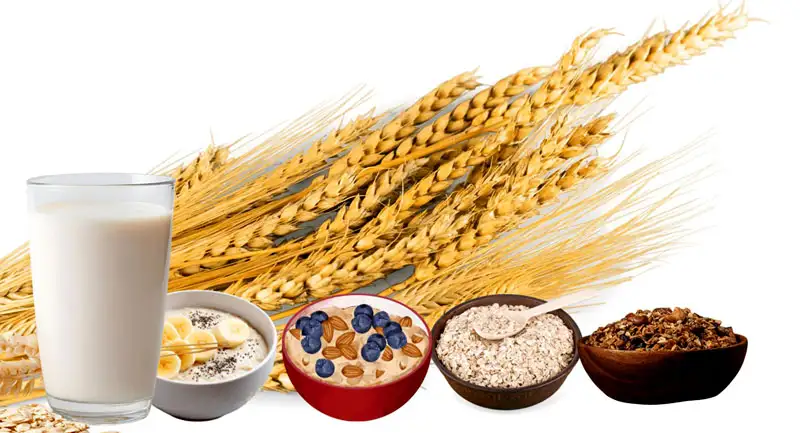
Oat milk — contains some beta-glucan, but less than whole oats; still beneficial if fortified.
Heart-Healthy Oat Recipes
Here are some practical and tasty ways to enjoy oats daily:
Classic Heart-Friendly Oatmeal
- ½ cup rolled oats + 1 cup water or milk.
- Top with walnuts (healthy fats), blueberries (antioxidants), and a drizzle of honey.
Overnight Oats for Busy Mornings
- ½ cup rolled oats + ½ cup low-fat yogurt + chia seeds + strawberries.
- Refrigerate overnight; eat cold or warm.
Oat Smoothie for Cholesterol Control
- Blend oat bran + banana + almond milk + cinnamon.
- A filling, heart-protective drink.
Savory Oat Porridge
- Cook steel-cut oats in vegetable broth.
- Add sautéed spinach, mushrooms, and olive oil.
Oat Snack Bars
- Combine rolled oats, peanut butter, and dates.
Refrigerate and cut into bars — healthy on-the-go option.
Combining Oats with Other Heart-Friendly Foods
For maximum heart benefit, pair oats with:
- Nuts and seeds (walnuts, flaxseeds, chia) — add omega-3s.
- Fruits (berries, apples, bananas) — provide antioxidants and fiber.
- Low-fat dairy or plant milk — adds protein and calcium.
Spices (cinnamon, turmeric) — enhance anti-inflammatory effect.
Myths About Oats for Heart Health
❌ “Instant oats are unhealthy.”
→ Truth: Plain instant oats are still heart-healthy; just avoid sugary flavors.
❌ “Oats alone can prevent heart disease.”
→ Truth: Oats help, but a balanced diet and lifestyle are key.
❌ “Oat milk is as good as oatmeal.”
→ Truth: Oat milk has less beta-glucan; still useful, but best combined with whole oats.
Source and references:Healthline- Health Benefits of Eating Oats and Oatmeal
Safety and Considerations
- Celiac disease/gluten sensitivity: Oats are naturally gluten-free but can be contaminated. Choose certified gluten-free oats.
- Allergies: Rare but possible.
Overeating oats: Too much may cause bloating or gas in sensitive people — introduce gradually.
FAQs on Oats and Heart Health
- Can oats really lower cholesterol?
Yes. Oats are one of the most studied foods for lowering LDL cholesterol thanks to beta-glucan fiber. - How fast do oats work for cholesterol reduction?
Results may appear in 4–6 weeks of daily oat consumption, especially when paired with a balanced diet. - What’s better for heart health: steel-cut or rolled oats?
Both are excellent. Steel-cut digest slower, but rolled oats are equally rich in beta-glucan. - Are oat-based cereals like granola healthy for the heart?
It depends. Many store-bought granolas are high in sugar and fat. Choose low-sugar versions or make homemade granola. - Can oat milk lower cholesterol?
Yes, but only if it contains enough beta-glucan (check labels — some brands have added fiber). It’s less effective than whole oats. - Do oats interact with heart medications?
Generally no, but if you’re on strict fiber restrictions or specific medications, check with your doctor. - Is eating oats every day safe?
Absolutely. Oats are one of the healthiest grains you can eat daily.because Oats for heart health.
8. Can oats help prevent heart attacks?
Oats reduce cholesterol, improve blood pressure, and fight inflammation — all of which lower heart disease risk. While no single food prevents heart attacks, oats are an important part of a heart-healthy diet.So oats for heart health.
Conclusion
Oats are more than just a simple breakfast-they are a proven heart-protective food. Their soluble fiber lowers cholesterol, their antioxidants fight inflammation, and their minerals support healthy circulation. Eating oats daily in any form – oatmeal, smoothies, oat bran, or oat milk -can make a big difference for your long-term heart health. because Oats for Heart Health is really
If you’re looking for a natural, affordable, and delicious way to protect your heart, a bowl of oats is a perfect place to start.Oats for heart health belive this.