Java Tea (Cat Whiskers): Health Benefits, Nutrition, Origin, and Uses in Ancient and Modern Medicine
Introduction to Java Tea (Cat Whiskers / Poonai Meesai)
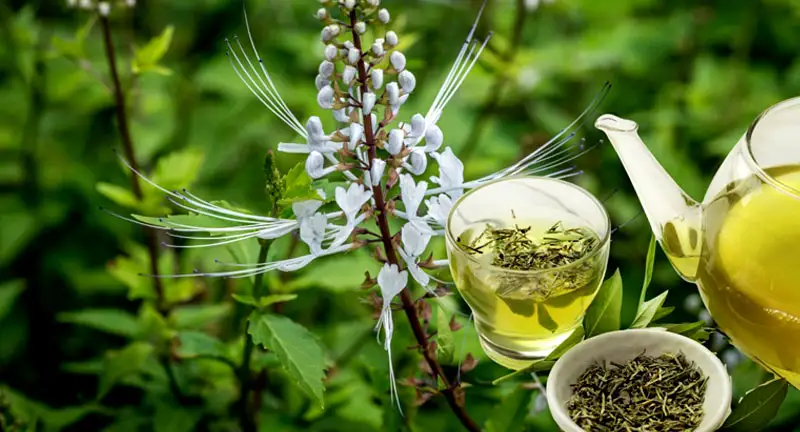
Healing herbs that balance the body and the psyche have long been available to us thanks to nature. Among these, traditional medical systems have a particular place for Java Tea, which is scientifically known as Orthosiphon aristatus. Known in Tamil as Poonai Meesai, this herb is highly prized throughout Asia for its cleansing and diuretic qualities. It is commonly referred to as Cat Whiskers because of its long, graceful white stamens that resemble a cat’s whiskers.
This tea is still a reliable natural treatment for kidney, liver, and urinary health, from traditional herbal remedies to contemporary wellness supplements. Let’s examine its intriguing history, from its tropical beginnings to its many therapeutic advantages.
Medical & Affiliate Disclosure
This content is for informational purposes only and does not constitute medical advice. Always consult a qualified healthcare professional before using any herbal or natural remedies, as the results may depend on the specific area and individual. Some links in this article may be affiliate links, meaning we may earn a commission at no extra cost to you if you purchase them. It will help to improve the website.
What is Java Tea (Cat Whiskers or Poonai Meesai)?
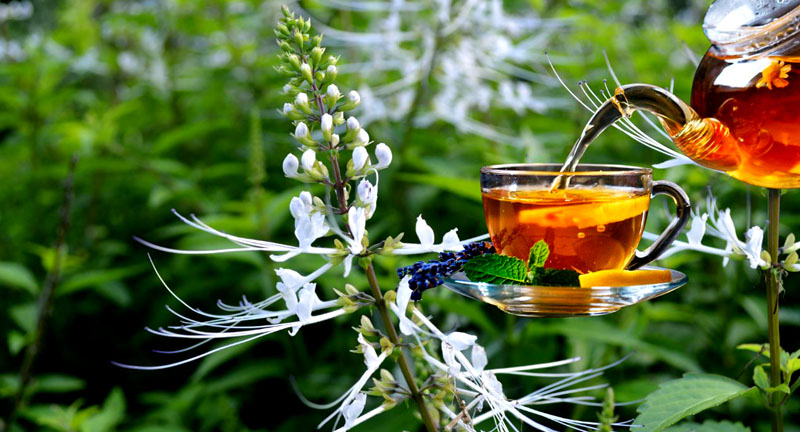
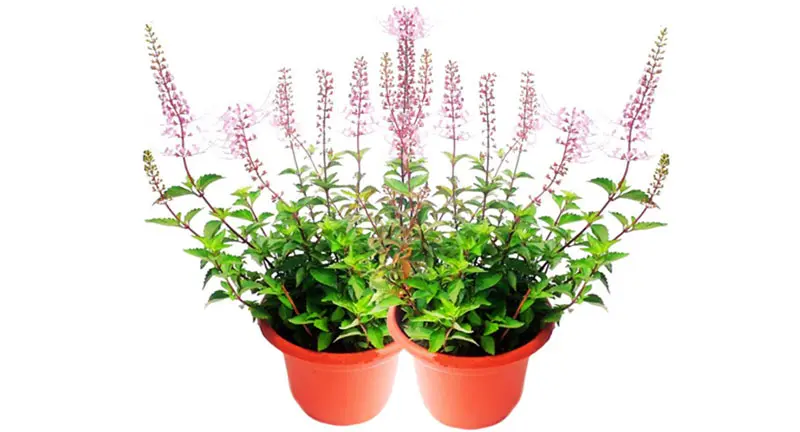
This tea is a medicinal herb belonging to the Lamiaceae family — the same family as mint and basil. It is native to Southeast Asia, particularly Indonesia, Malaysia, Thailand, and parts of India. The plant is an evergreen shrub that grows up to 1.5 meters tall and bears small, white or pale purple flowers with long, protruding stamens that look like the whiskers of a cat — hence the name Cat Whiskers.
In India, especially in Tamil Nadu, the plant is affectionately known as Poonai Meesai, and in Malaysia and Indonesia, it’s called Misai Kucing. The leaves of the plant are the main medicinal part, often dried and brewed into tea or used in herbal formulations.
Origin and Historical Background
The use of This Tea dates back centuries, particularly in Javanese and Malay traditional medicine. It was widely consumed as a natural diuretic to treat kidney and bladder disorders. The herb gained international recognition during the Dutch colonial period in Indonesia, when it was exported to Europe under the name “Java Tea” due to its strong connection with the island of Java.
In Ayurveda, similar herbs are recognized for their ability to cleanse the urinary tract and balance pitta and kapha doshas. Likewise, in Traditional Chinese Medicine (TCM), Cat Whiskers has been used to eliminate dampness, improve urination, and support liver detoxification.
Today, the herb is gaining renewed interest in modern herbalism due to scientific studies supporting its antioxidant, anti-inflammatory, and antidiabetic effects.
Botanical Description
- Scientific name: Orthosiphon aristatus (Synonyms: Orthosiphon stamineus)
- Family: Lamiaceae
- Common names: Java Tea, Cat Whiskers, Misai Kucing, Kumis Kucing, Poonai Meesai
- Plant type: Perennial herb or small shrub
- Parts used: Leaves and stems
- Flowers: White or light purple with long stamens
The plant thrives in warm, humid climates with moderate rainfall. It is commonly found in tropical regions of India, Sri Lanka, Malaysia, Indonesia, Thailand, and Australia.
Nutritional and Phytochemical Composition
This Tea is rich in bioactive compounds that contribute to its healing effects. The leaves contain several nutrients and phytochemicals such as:
- Flavonoids: Sinensetin, eupatorin, and rosmarinic acid — known for antioxidant and anti-inflammatory properties.
- Terpenoids: Possess antimicrobial and immune-boosting effects.
- Polyphenols: Help fight oxidative stress and support cardiovascular health.
- Potassium: Acts as a natural diuretic and supports kidney function.
- Saponins and Tannins: Aid in detoxification and metabolic balance.
- Methylripariochromene A (MRC): A compound proven to improve blood flow and kidney health.
These bioactive compounds make This Tea a valuable herb for detoxification, liver support, urinary tract cleansing, and metabolic balance.
Health Benefits of Java Tea (Cat Whiskers / Poonai Meesai)
Supports Kidney Health
This Tea is best known as a natural diuretic. It increases urine output, helping flush out toxins, uric acid, and excess minerals. This helps prevent kidney stones, urinary tract infections (UTIs), and water retention.
Studies have shown that regular use of This Tea helps dissolve small kidney stones and prevent recurrence. The herb’s ability to regulate fluid balance also supports kidney detoxification naturally.
Promotes Liver Detoxification
The liver is the body’s natural filter, and This Tea assists in cleansing it by enhancing bile production and improving metabolism. Its antioxidant compounds like rosmarinic acid protect liver cells from damage caused by toxins and free radicals.
In traditional medicine, it was used to relieve jaundice and other liver-related disorders. Today, it is often included in herbal detox teas designed for liver cleansing.
Helps Manage Diabetes Naturally
Research has indicated that Orthosiphon aristatus helps regulate blood glucose levels. The herb improves insulin sensitivity and enhances glucose uptake by cells.
In traditional Asian medicine, Java Tea was often prescribed for managing mild to moderate diabetes, as it helps control sugar metabolism while reducing inflammation and oxidative stress — two key factors in diabetic complications.
Supports Urinary Tract Health
Because of its diuretic and antibacterial effects, Java Tea is highly effective in treating urinary infections. It helps eliminate harmful bacteria and reduce inflammation in the bladder and urethra.
Women prone to UTIs often use Cat Whiskers tea as a preventive natural drink that keeps the urinary system clean and infection-free.
Reduces High Blood Pressure
The potassium and flavonoids in This Tea promote vasodilation, helping to relax blood vessels and lower blood pressure. Its diuretic effect also removes excess sodium from the body, maintaining healthy blood pressure levels.
Aids in Weight Management
This Tea helps the body eliminate excess fluids, reduce bloating, and improve fat metabolism. When combined with a balanced diet, drinking Java Tea regularly supports natural weight loss and enhances digestion.
It’s often used in modern detox and slimming teas because of its gentle yet effective cleansing action.
Fights Inflammation and Oxidative Stress
Thanks to its flavonoid and polyphenol content, This Tea acts as a powerful antioxidant. It neutralizes free radicals that cause cell damage and aging.
Its anti-inflammatory compounds make it beneficial for people suffering from arthritis, gout, and chronic inflammation.
Supports Immune Function
The antimicrobial and antiviral components of This Tea help the body defend itself against infections. Regular use strengthens immunity and promotes overall wellness.
Enhances Skin Health
By cleansing the body from within, This Tea helps maintain clear and radiant skin. It removes internal toxins that often cause acne and dullness.
Some herbal skincare formulations also use Java Tea extracts for their antioxidant and anti-inflammatory properties, helping soothe irritated skin.
Relieves Gout and Joint Pain
This Tea is traditionally used to reduce uric acid levels, a major cause of gout. Drinking this tea regularly can help relieve joint pain, swelling, and stiffness caused by high uric acid accumulation.
How to Use Java Tea (Cat Whiskers / Poonai Meesai)
- Herbal Tea (Traditional Method)
The most common and effective way to consume This Tea is as a herbal infusion.
Ingredients:
- 1 teaspoon dried Java Tea leaves (or 5–6 fresh leaves)
- 1 cup of water
- Honey or lemon (optional)
Instructions:
- Boil the water and add the leaves.
- Simmer for 5–10 minutes.
- Strain and drink warm, once or twice daily.
This tea acts as a gentle diuretic and detox drink for daily use.
- Java Tea Capsules or Extracts
In modern herbal medicine, Java Tea extract capsules are available for those who prefer convenient consumption. These are standardized for active compounds like sinensetin or rosmarinic acid and are used to support kidney, liver, and metabolic health.
- Topical Applications
In traditional practices, Cat Whiskers leaves are crushed and applied to insect bites or minor skin inflammations to reduce itching and swelling.
Usage in Ancient Medicine Systems
In Ayurveda
While the plant itself originates from Southeast Asia, its properties closely match herbs used in Ayurveda for Mutravaha Srotas (urinary system) balance. It’s used to:
- Promote urination (Mutrala)
- Reduce inflammation (Shothahara)
- Cleanse toxins (Shodhana)
In Traditional Chinese Medicine (TCM)
Java Tea, known as “Shen Cha”, is used to:
- Remove damp-heat from the body
- Treat urinary and liver disorders
- Support blood circulation
In Javanese and Malay Traditional Medicine
It has long been consumed as a tea for kidney health and to prevent stones, infections, and fluid retention. It is also used post-pregnancy for internal cleansing and recovery.
Modern Applications and Research
Modern pharmacological studies have confirmed many of the traditional claims. Research highlights include:
- Antioxidant Effects: Flavonoids like sinensetin protect cells from oxidative stress.
- Antidiabetic Action: Enhances insulin sensitivity and reduces blood glucose.
- Anti-inflammatory Effects: Reduces inflammatory markers in tissues.
- Hepatoprotective Effects: Protects the liver from toxin-induced damage.
- Renoprotective Effects: Promotes kidney filtration and prevents stone formation.
These findings have made This Tea a popular ingredient in modern herbal supplements, detox drinks, and wellness teas worldwide.
Source and references:Wikipedia – Orthosiphon aristatus (Java Tea / Cat’s Whiskers)
Various Types of Java Tea
There are slight variations of Orthosiphon aristatus based on flower color and growing region:
- White Java Tea: The most common and widely used variety for medicinal purposes.
- Purple Java Tea: Found in certain regions; has stronger antioxidant properties.
- Hybrid Varieties: Cultivated for higher yield and phytochemical concentration.
Each type retains the characteristic cat-whisker-like stamens and offers similar health benefits.
Precautions and Side Effects
This Tea is considered safe when consumed in moderate amounts. However, the following precautions are recommended:
- Pregnant or breastfeeding women should consult a doctor before use.
- Avoid excessive consumption, as too much diuretic action can cause electrolyte imbalance.
- People on blood pressure or diuretic medication should seek medical advice to avoid interactions.
Always ensure you use authentic, clean-dried leaves or certified products for best results.
Conclusion
A potent herb that promotes kidney, liver, and metabolic health while purifying and revitalizing the body, Java Tea (Cat Whiskers/Poonai Meesai) is a true gift from nature.
It is one of the best herbal teas for contemporary wellbeing because of its mild diuretic effect, antioxidant ingredients, and traditional therapeutic use throughout cultures. This tea continues to connect the knowledge of traditional healing with the health-conscious lifestyle of today, whether it is consumed as a daily detox beverage or as part of a natural treatment regimen.
FAQs about Java Tea (Cat Whiskers)
- What is Java Tea used for?
Java Tea is mainly used for kidney cleansing, urinary tract health, reducing high blood pressure, and managing diabetes naturally. - Can I drink Java Tea every day?
Yes, drinking 1–2 cups daily is generally safe and beneficial for detoxification and kidney health. - Is Java Tea the same as green tea?
No. This Tea is a herbal infusion from the Orthosiphon aristatus plant, while green tea comes from Camellia sinensis. - Can Java Tea help with kidney stones?
Yes. It helps dissolve small stones and prevents new ones from forming by flushing out minerals and toxins. - Does Java Tea lower blood sugar?
Studies suggest that Java Tea can help manage blood sugar levels by improving insulin sensitivity. - Are there any side effects?
When taken in moderation, it is safe. Overconsumption may cause dehydration or electrolyte loss. - Where can I buy Java Tea?
It is available in herbal stores, health food shops, and online as dried leaves, teabags, or capsules.
8. What is the best time to drink Java Tea?
Morning or early afternoon is ideal, preferably before meals, for optimal detox and energy benefits.