
Kefir: The Probiotic Powerhouse for Gut Health and Immunity
What is Kefir?
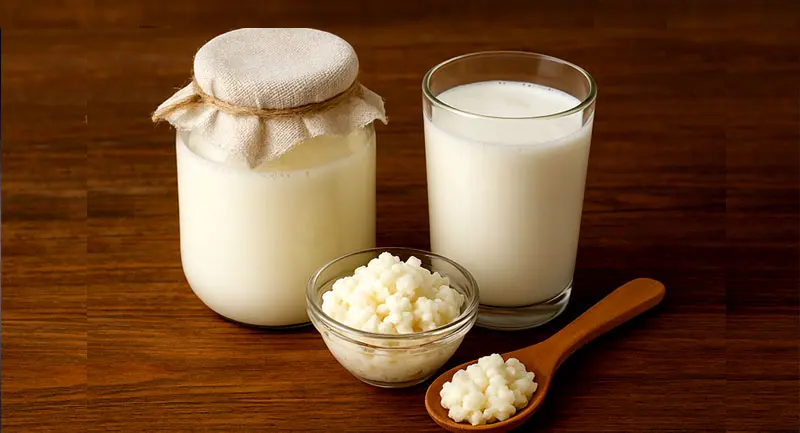
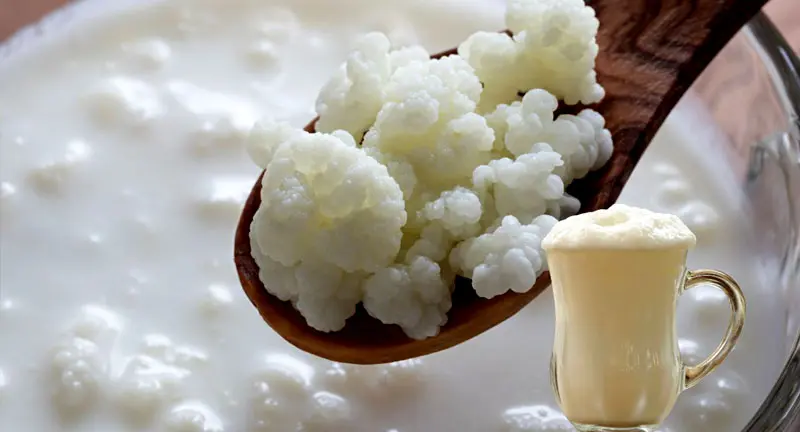
This fermented milk beverage is well-known for its creamy texture, acidic flavor, and remarkable probiotic qualities. It comes from the mountainous areas of Western Asia and Eastern Europe and has been valued for ages as a natural remedy for digestive health and vitality. It is created with kefir grains, a symbiotic culture of bacteria and yeast (SCOBY) that resembles tiny cauliflower florets, in contrast to ordinary curd or yogurt.
Kefir’s amazing capacity to ferment lactose and create a slightly bubbly, nutrient-dense beverage full of helpful bacteria is attributed to this special culture. Because of its potent probiotic content and fizzy quality, it is frequently referred to as the “champagne of dairy.”
It has gained immense popularity worldwide as people rediscover ancient natural remedies for maintaining gut health, enhancing immunity, and improving overall wellness. Let’s explore its rich history, nutritional profile, health benefits, medicinal uses, and how you can make it at home.
Medical & Affiliate Disclosure
This content is for informational purposes only and does not constitute medical advice. Always consult a qualified healthcare professional before using any herbal or natural remedies, as the results may depend on the specific area and individual. Some links in this article may be affiliate links, meaning we may earn a commission at no extra cost to you if you purchase them. It will help to improve the website.
Origin and History of Kefir
It is thought that the Turkish word “keyif,” which means “feeling good” after eating, is where the name “kefir” originates. In the past kefir originated in the Caucasus Mountains, a region between Europe and Asia that includes modern-day Russia, Georgia, Armenia, and Azerbaijan.
Legend says that shepherds accidentally discovered kefir thousands of years ago when they carried milk in goatskin bags containing kefir grains. The natural fermentation transformed the milk into a thick, slightly sour, and effervescent drink that stayed fresh for a long time a blessing in mountainous climates where refrigeration was impossible.
For centuries, the people of the Caucasus considered it a “gift from God” and closely guarded its preparation method. Only in the early 20th century did kefir spread to Russia and then to the rest of Europe, eventually becoming a global health beverage.
Today, it is available in both dairy and non-dairy forms (using coconut, soy, or almond milk), catering to people with different dietary needs and lactose intolerance.
Nutritional Composition of this probiotics
It is a nutritional powerhouse that combines the benefits of milk with those of probiotics, enzymes, and organic acids. It provides an excellent balance of proteins, fats, carbohydrates, vitamins, and minerals.
Typical Nutrition (per 1 cup / 240 ml of whole milk kefir):
- Calories: 150 kcal
- Protein: 8–9 g
- Fat: 7–8 g
- Carbohydrates: 11–12 g
- Calcium: 25–30% of Daily Value (DV)
- Phosphorus: 20% of DV
- Vitamin B12: 30% of DV
- Riboflavin (B2): 20% of DV
- Magnesium: 7% of DV
- Vitamin D (fortified kefir): 10–20% of DV
- Probiotics: 30–50 different strains of bacteria and yeasts
Key Nutrients and Active Compounds:
- Probiotics: Lactobacillus kefiri, Leuconostoc, Acetobacter, Saccharomyces kefir (beneficial yeasts)
- Amino acids: Tryptophan, lysine, and methionine
- Bioactive peptides: Support immune and gut functions
- Organic acids: Lactic acid, acetic acid, and small amounts of alcohol (trace level due to fermentation)
- Enzymes: Aid in lactose digestion
This rich nutrient profile makes it one of the most beneficial fermented foods for gut and metabolic health.
Health Benefits of probiotic
Its benefits extend far beyond digestion. It’s a complete functional food that supports multiple aspects of health, from immunity to bone strength and mental well-being.
Improves Gut Health and Digestion
The most celebrated benefit of kefir lies in its probiotic content. Unlike yogurt, which contains only a few bacterial strains, kefir houses over 30 different species of beneficial bacteria and yeasts. These microorganisms colonize the gut, balance intestinal flora, and suppress harmful bacteria.
Regular consumption of this probiotic:
- Enhances digestion and nutrient absorption
- Relieves constipation and bloating
- Prevents infections like Helicobacter pylori
- Helps in treating irritable bowel syndrome (IBS)
Studies have shown that probiotic strains help restore healthy gut microbiota after antibiotic treatment.
Boosts Immunity
A healthy gut equals a strong immune system -and It does exactly that. The probiotics in kefir stimulate immune cells such as macrophages and natural killer cells.
It’s rich in bioactive peptides and antioxidants that reduce inflammation, protect against pathogens, and improve resistance to colds and infections.
It also contains lactoferrin, an iron-binding protein with antimicrobial properties, helping to defend the body from harmful viruses and bacteria.
Strengthens Bones and Prevents Osteoporosis
It is an excellent source of calcium, phosphorus, magnesium, and vitamin K2, all essential for bone strength. Regular intake can help prevent bone mineral loss and improve calcium absorption, especially in postmenopausal women or those with lactose intolerance.
Vitamin K2 in kefir activates osteocalcin, a protein that integrates calcium into bones, reducing the risk of osteoporosis and fractures.
Supports Heart Health
It helps maintain a healthy heart by improving cholesterol balance and reducing blood pressure. Its probiotics can:
- Lower LDL (bad cholesterol)
- Increase HDL (good cholesterol)
- Improve arterial flexibility
- Reduce triglycerides
Furthermore, its magnesium content aids in maintaining normal blood pressure and prevents heart rhythm irregularities.
Helps Manage Blood Sugar and Weight
The probiotics and peptides help regulate metabolism and insulin sensitivity. Consuming It may:
- Reduce blood sugar spikes
- Improve insulin response
- Promote fat metabolism
It also keeps you full longer due to its protein and fat content, supporting healthy weight management and reducing cravings for unhealthy snacks.
Promotes Skin and Hair Health
The probiotics contain lactic acid, vitamins, and probiotics that support skin barrier function and reduce inflammation. It may help with:
- Acne and eczema
- Skin hydration
- Wound healing
- Strengthening hair follicles
Some people also use It as a natural face mask or hair rinse due to its mild exfoliating and moisturizing properties.
Supports Mental Health
The gut-brain connection is real-and It plays a vital role in it. The probiotics in kefir promote the production of neurotransmitters like serotonin and GABA, which regulate mood and stress.
Regular consumption of it may:
- Reduce anxiety and depression symptoms
- Improve sleep and relaxation
- Support cognitive function
Possesses Antibacterial and Anti-inflammatory Properties
Certain strains in it, such as Lactobacillus kefiri, inhibit harmful bacteria like Salmonella, E. coli, and Helicobacter pylori.
Additionally, Its antioxidant content helps combat oxidative stress and inflammation-two key contributors to chronic diseases.
Kefir in Traditional and Modern Medicine
Ancient Uses
In ancient times, It was considered a sacred drink. The people of the Caucasus consumed it daily to maintain long life and endurance. Traditional healers recommended it for:
- Stomach ailments
- Respiratory infections
- Fatigue and weakness
- Wound healing and skin issues
It was viewed as a natural antibiotic and digestive tonic, used to treat tuberculosis and chronic intestinal infections.
Modern Medical Applications
Today, it is studied for its potential therapeutic benefits in:
- Gastrointestinal diseases: IBS, colitis, diarrhea
- Metabolic disorders: Diabetes, obesity
- Immune system modulation: Allergies, autoimmune conditions
- Lactose intolerance: Due to its enzyme content
- Cancer prevention: Research indicates kefir extracts may inhibit tumor growth
Medical professionals and nutritionists increasingly recommend it as a daily probiotic supplement for improving microbiome diversity and overall wellness.
How to Make Kefir at Home
Making it at home is simple and rewarding. Here’s a step-by-step guide:
Ingredients:
- 2 tablespoons of kefir grains
- 2 cups (500 ml) of whole milk (cow, goat, or plant-based)
- A glass jar (preferably 1-liter capacity)
- A plastic or wooden spoon (avoid metal)
- A cloth or coffee filter and rubber band
Instructions:
- Add kefir grains to a clean glass jar.
- Pour milk over the grains, leaving a little space at the top.
- Cover the jar with a cloth or paper towel to allow airflow but prevent dust.
- Ferment at room temperature (20–25°C) for 18–24 hours. The milk will thicken and develop a tangy aroma.
- Strain the kefir using a plastic sieve to separate the grains from the liquid.
- Store the kefir drink in the refrigerator for up to 5 days.
- Reuse the grains for your next batch — they multiply over time!
If you prefer non-dairy kefir, you can use coconut milk, soy milk, or almond milk, though you may need to refresh the grains occasionally in dairy milk to keep them active.
Flavoring Ideas:
You can enhance it with:
- Fruits: Banana, mango, or berries
- Spices: Cinnamon or cardamom
Honey or maple syrup (added after fermentation)

Difference Between Kefir and Curd (Yogurt)
Feature | Kefir | Curd/Yogurt |
Fermentation Culture | Made with kefir grains (bacteria + yeast) | Made with bacterial cultures only |
Microorganisms | Contains 30–50 species | Contains 2–5 species |
Fermentation Process | Continuous and dynamic (24 hours) | Static fermentation (4–8 hours) |
Texture | Thinner, drinkable, slightly fizzy | Thick and creamy |
Taste | Tangy, slightly sour, mildly effervescent | Mildly sour |
Probiotic Diversity | High | Moderate |
Lactose Content | Very low (most lactose fermented) | Moderate |
Health Benefits | Stronger probiotic, improves gut and immunity | Good for digestion and calcium |
Usability | Drink, smoothie, or ingredient | Mostly eaten with spoon or used in recipes |
In short, It offers more probiotics, longer fermentation, and stronger health effects than curd. While both are beneficial, it provides broader gut and immune support due to its microbial diversity.
Source and references: Britannica-Kefir Description History & Origin
Conclusion
It stands as one of nature’s most powerful fermented foods-a living probiotic drink that bridges ancient tradition with modern nutrition. Its ability to enhance gut flora, immunity, bone strength, and overall vitality makes it a perfect daily wellness habit.
Whether you enjoy it plain, blended into smoothies, or flavored with fruits, it is a simple, affordable, and natural remedy to improve digestive and immune health from within. It’s more than just a beverage-it’s a centuries-old secret to longevity and wellness that still holds immense value in today’s world.
Frequently Asked Questions (FAQs)
- What exactly are kefir grains?
These grains are clusters of bacteria and yeast living in a protein and polysaccharide matrix. They resemble small cauliflower florets and are used to ferment milk into kefir. - Can people with lactose intolerance drink kefir?
Yes. It is almost lactose-free because the fermentation process breaks down most lactose, making it easier to digest than milk or curd. - How does kefir differ from yogurt?
It contains more probiotic strains and beneficial yeasts, while yogurt has fewer species. It is also thinner and slightly fizzy. - Is kefir safe for children?
Yes, in moderate amounts. It’s a natural probiotic drink that supports digestion and immunity in kids. - How long can homemade kefir be stored?
Homemade kefir can be refrigerated for up to 4–5 days. Its flavor may become more tangy over time. - Can I make kefir without dairy milk?
Of course! You can use soy milk, almond milk, or coconut milk. To keep healthy, grains should occasionally be revived in dairy milk. - Does kefir help with weight loss?
Yes. It improves metabolism, promotes satiety, and supports gut health — all of which contribute to healthy weight management.
8. How often should I drink kefir?
For best results, 1 cup (240 ml) daily is recommended. You can drink it in the morning or before bedtime