Licorice Plant (Glycyrrhiza Glabra): Powerful Herbal Medicine for Immunity, & Total Body Wellness
Why Licorice Is One of the World’s Most Powerful Healing Roots
Licorice is more than just a sweet-flavored herb found in candies and drinks. Respected by ancient civilizations for its extraordinary healing abilities, it is one of the oldest medicinal plants in human history. Licorice root has been utilized for more than four millennia across Traditional Chinese Medicine, Ayurveda, Egyptian medicine, Greek herbal practices, and in contemporary pharmaceutical studies.Licorice root, scientifically referred to as Glycyrrhiza glabra, is rich in potent bioactive substances that bolster immune function, aid digestion, promote respiratory health, regulate hormones, assist liver detoxification, enhance skin health, and manage inflammation.
Today, licorice is still regarded as a cornerstone herb in both traditional and modern medicine, appreciated for its gentle healing properties and long-term wellness benefits.
This comprehensive guide will delve into the origins of the licorice plant, its nutritional makeup, medicinal background, scientifically supported benefits, recommended dosages, safety precautions, and practical application methods.
What Is the Licorice Plant? Botanical Overview
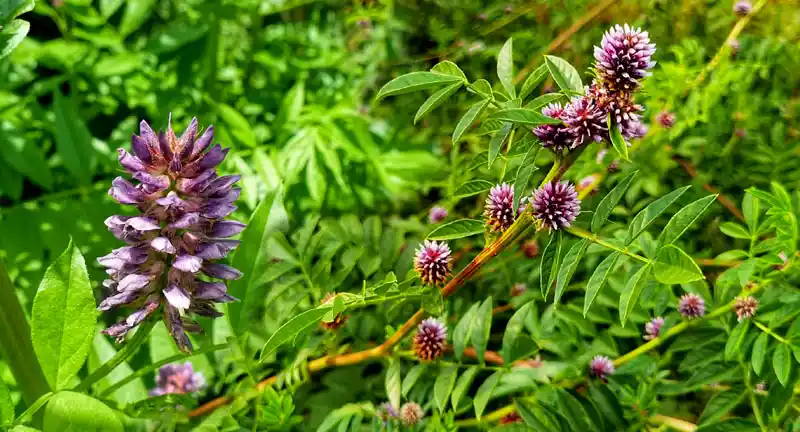
Licorice is a perennial flowering plant belonging to the legume family. The medicinal part of the plant is its thick underground root, which contains the sweet-tasting compound glycyrrhizin.
Botanical Classification
- Scientific Name: Glycyrrhiza glabra
- Common Names: Licorice root, Mulethi (India), Sweet root
- Family: Fabaceae (Legume family)
- Plant Type: Perennial herb
- Parts Used: Root and rhizome
- Taste Profile: Naturally sweet (50 times sweeter than sugar)
The word “Glycyrrhiza” comes from Greek, meaning “sweet root.”
Origin and Historical Background of Licorice
Ancient Egypt
Licorice was highly valued in Ancient Egypt. Pharaohs consumed licorice drinks to maintain strength and stamina. Licorice root was even found in King Tutankhamun’s tomb, showing its spiritual and medicinal importance.
Traditional Chinese Medicine (TCM)
In Chinese medicine, licorice is called Gan Cao and is one of the most frequently used herbs. It is considered a harmonizing herb, meaning it balances other herbal formulas and enhances their effectiveness.
Ayurvedic Medicine (India)
In Ayurveda, licorice is known as Mulethi or Yashtimadhu. It is classified as a rejuvenating herb (Rasayana) used for respiratory health, digestion, immunity, skin care, and hormonal balance.
Greek and Roman Medicine
Greek physician Hippocrates and Roman herbalists prescribed licorice for coughs, ulcers, fatigue, and inflammatory conditions.
Nutritional and Phytochemical Profile of Licorice Root
Licorice root contains more than 300 bioactive compounds that contribute to its medicinal value.
Key Active Components
- Glycyrrhizin
The main medicinal compound responsible for:
- Anti-inflammatory effects
- Immune modulation
- Antiviral properties
- Cortisol regulation
- Flavonoids
Strong antioxidants that promote heart health and shield cells from harm.
- Saponins
Support immune response and help remove toxins from the body.
- Coumarins and Chalcones
Help regulate inflammation and support liver detoxification.
Mineral Content
Licorice root also contains:
- Calcium
- Potassium
- Magnesium
- Iron
- Zinc
These nutrients support bone strength, nerve function, and metabolic health.
How Licorice Works in the Body
Licorice acts as an adaptogenic and anti-inflammatory herb, working on multiple body systems.
Supports Hormonal Balance
Licorice influences cortisol metabolism and adrenal function, helping the body adapt to stress.
Protects Mucosal Lining
It coats and protects the lining of the stomach, throat, and respiratory tract.
Boosts Immune Defense
Its antimicrobial properties help fight bacteria and viruses.
Reduces Inflammation
Licorice regulates inflammatory pathways involved in chronic diseases.
Licorice in Ancient Medicine Systems
Ayurvedic Uses
In Ayurveda, licorice is used for:
- Voice strengthening
- Digestive health
- Sexual vitality
- Skin rejuvenation
- Brain nourishment
Traditional Chinese Medicine
Licorice is used to:
- Balance herbal formulas
- Strengthen Qi energy
- Improve lung and spleen health
Detoxify the body
Licorice in Modern Medicine
Modern research supports licorice use in:
- Ulcer treatment
- Viral infection management
- Skin care products
- Hormonal therapy
- Anti-inflammatory medicines
Pharmaceutical industries use licorice-derived compounds in cough syrups and digestive formulations.
How to Use Licorice Root
- Licorice Tea
Preparation:
- Add 1 teaspoon dried licorice root to hot water
- Boil for 10 minutes
- Strain and drink once daily
- Licorice Capsules
Standard dosage:
- 300–600 mg per day
- Liquid Extract and Tincture
Dose:
- 20–40 drops twice daily
- DGL Licorice Tablets
Used for digestive health.
- Topical Creams
Used for skin brightening and eczema relief.
Best Time to Take Licorice
- Morning for energy support
- With meals for digestion
- Avoid night use due to adrenal stimulation
Safety, Side Effects, and Precautions
Excessive licorice consumption may cause:
- High blood pressure
- Water retention
- Potassium imbalance
Headaches
Who Should Avoid Licorice?
- Pregnant women
- People with hypertension
- Kidney disease patients
- Heart conditions
- Long-term medication users
Always consult a healthcare professional.
How to Choose High-Quality Licorice Supplements
Look for:
- Organic root extract
- No artificial sweeteners
- Standardized glycyrrhizin content
- Third-party testing
- GMP certification
Environmental Importance of Licorice Plant
Licorice plants:
- Improve soil nitrogen levels
- Prevent erosion
- Support sustainable farming
Promote biodiversity
Scientific Research and Future Potential
Researchers are exploring licorice for:
- Cancer therapy support
- Antiviral drug development
- Metabolic disorder treatment
Immune therapy applications
Advanced Herbal Science Behind Licorice Root
Licorice root is not only valued in traditional medicine but is also gaining attention in modern pharmacology due to its wide range of biologically active compounds. Researchers have identified more than 300 phytochemicals in licorice that influence immune response, inflammation control, hormone regulation, and cellular protection.
Pharmacological Properties of Licorice
Licorice demonstrates multiple therapeutic actions, including:
- Antiviral activity
- Antibacterial effects
- Anti-inflammatory action
- Antioxidant protection
- Hormone-modulating ability
- Neuroprotective support
Because of these diverse properties, licorice is frequently used as a base herb in complex herbal formulations.
Licorice Root and Gut Microbiome Health
Recent studies suggest that licorice root positively affects the gut microbiome, which plays a critical role in digestion, immunity, and mental health.
Licorice helps:
- Reduce harmful gut bacteria
- Support beneficial probiotic growth
- Improve intestinal barrier function
- Decrease gut inflammation
- Heal leaky gut symptoms
This makes licorice especially valuable for people suffering from IBS, acid reflux, gastritis, and digestive imbalance.
Licorice Root and Adrenal Fatigue Support
Licorice is well known for supporting adrenal gland health, which regulates cortisol production.
How Licorice Helps Adrenal Function
Licorice slows the breakdown of cortisol, allowing the body to maintain balanced energy levels. This results in:
- Improved stress tolerance
- Reduced burnout symptoms
- Increased stamina
- Better mood stability
- Reduced fatigue
Because of this effect, licorice is often used by people experiencing chronic stress and exhaustion.
Licorice and Women’s Hormonal Wellness
Licorice root plays a powerful role in women’s health by influencing estrogen metabolism and hormone balance.
Benefits for Women Include:
- Reduced menstrual cramps
- Balanced estrogen levels
- Relief from PMS symptoms
- Support during menopause
- Reduction in hormonal acne
- Improved skin clarity
Licorice is often combined with herbs such as Shatavari and Ashoka in Ayurvedic women’s health formulas.
Licorice Root and Men’s Health
Licorice also supports male wellness when used in controlled doses.
Potential Benefits Include:
- Reduced inflammation in prostate tissue
- Improved stress hormone balance
- Support for immune strength
- Enhanced recovery from physical fatigue
However, excessive intake should be avoided as very high doses may temporarily affect testosterone levels.
Licorice Root in Weight Management
Licorice contains compounds that influence fat metabolism and insulin sensitivity.
It may help:
- Reduce abdominal fat accumulation
- Improve glucose metabolism
- Control appetite cravings
- Support metabolic balance
Some studies suggest licorice flavonoids help regulate fat storage in the body when combined with healthy diet and physical activity.
Licorice Root and Brain Health
Licorice contains neuroprotective compounds that protect nerve cells from oxidative stress.
Cognitive Benefits Include:
- Reduced mental fatigue
- Improved concentration
- Enhanced stress resilience
- Protection against age-related cognitive decline
Its calming effect on the nervous system makes it useful for anxiety-related brain fog and burnout.
Licorice Root for Skin Whitening and Brightening
Licorice extract is widely used in cosmetic dermatology.
How Licorice Improves Skin Tone
Licorice inhibits melanin production by blocking the enzyme tyrosinase. This leads to:
- Reduced dark spots
- Brighter complexion
- Even skin tone
- Reduced hyperpigmentation
- Improved glow
Because of this, licorice is often used in natural fairness creams and anti-pigmentation serums.
Licorice Root for Hair Health
Licorice is beneficial for scalp and hair care.
Hair Benefits Include:
- Reduced dandruff
- Improved scalp circulation
- Reduced hair fall caused by inflammation
- Strengthened hair follicles
- Enhanced hair shine
Licorice powder is commonly added to herbal hair masks and scalp treatments.
Licorice Root in Detoxification Programs
Licorice is frequently included in herbal detox formulas.
It supports detoxification by:
- Enhancing liver enzyme activity
- Supporting bile production
- Reducing toxin-induced inflammation
- Protecting liver cells
This makes licorice valuable during seasonal detox routines.
How Licorice Is Cultivated and Harvested
Licorice cultivation requires specific environmental conditions.
Ideal Growing Conditions
Licorice thrives in:
- Sandy, well-drained soil
- Warm temperate climates
- Full sunlight exposure
- Moderate rainfall
The plant usually takes 2 to 3 years to develop medicinally potent roots.
Harvesting Process
Roots are harvested after maturity and then:
- Cleaned thoroughly
- Sun-dried naturally
- Cut into slices
- Powdered or extracted
Proper harvesting ensures maximum medicinal potency.
Traditional Home Remedies Using Licorice
Licorice Tea for Cough and Cold
Boil licorice root with ginger and tulsi leaves. Drink warm to relieve sore throat and congestion.
Licorice Milk for Immunity
Add licorice powder to warm milk with turmeric. Drink before bedtime to strengthen immunity.
Licorice Face Pack
Mix licorice powder with rose water and apply to skin for brightening and acne control.
Licorice Gargle for Throat Pain
Use licorice decoction as a gargle to reduce throat irritation.
Licorice Root vs Other Popular Medicinal Herbs
Licorice vs Ginger
- Licorice soothes inflammation
- Ginger stimulates digestion
- Both support immunity
Licorice vs Ashwagandha
- Licorice balances cortisol
- Ashwagandha reduces stress hormones
- Together they enhance stress resistance
Licorice vs Turmeric
- Licorice supports mucosal healing
- Turmeric reduces inflammation
- Combined they support joint and gut health
Common Myths About Licorice Root
Myth 1: Licorice Is Only Candy Flavoring
Truth: Medicinal licorice is completely different from candy flavoring.
Myth 2: Licorice Is Unsafe
Truth: Licorice is safe when used correctly and in recommended doses.
Myth 3: Licorice Works Instantly
Truth: Herbal healing requires consistency over weeks.
Licorice Root in Global Herbal Medicine Systems
Licorice is used worldwide in:
- Chinese medicine formulas
- Ayurvedic rasayana therapy
- European herbal medicine
- Middle Eastern traditional remedies
- Modern nutraceutical products
Its universal acceptance shows its powerful healing reputation.
Long-Term Wellness Benefits of Licorice
With responsible use, licorice supports:
- Strong immunity
- Healthy digestion
- Balanced hormones
- Better skin health
- Reduced inflammation
- Improved vitality
Long-term disease prevention
Why Licorice Is Considered a “Master Herb”
Licorice is called a master herb because it:
- Enhances other herbs’ effectiveness
- Balances herbal formulations
- Supports multiple body systems
- Works gently yet effectively
Few herbs offer such wide therapeutic coverage.
Conclusion: Why Licorice Root Deserves a Place in Natural Medicine
Among the most effective and versatile medicinal plants that nature offers is licorice root. Its benefits are unmatched, ranging from ancient civilizations to modern scientific research. Licorice continues to be a fundamental herb in holistic medicine, used for enhancing immunity, supporting digestion, promoting respiratory health, hormone balancing, skin rejuvenation, and stress management.
When used responsibly and with appropriate guidance, licorice root can be a beneficial ally in long-term health, preventive care, and natural healing. Its nourishing, protective, and restorative qualities make it a true treasure of herbal medicine.
Frequently Asked Questions (FAQs)
Is licorice safe for daily use?
Yes, in moderate doses and short durations.
Can licorice help with cough?
Yes, it is widely used in cough syrups.
Does licorice increase blood pressure?
Excess intake may raise blood pressure.
Is DGL licorice better for digestion?
Yes, DGL is safer for long-term gut use.
Can licorice improve skin tone?
Yes, it reduces pigmentation and brightens skin.
How long does licorice take to work?
Most users notice benefits within 2–4 weeks.
Is licorice safe for children?
Small doses under medical supervision.
Can licorice be combined with other herbs?
Yes, especially with ginger, turmeric, and ashwagandha.