Oats: A Complete Guide — Origin, Cultivation, Medicinal Benefits, Culinary Uses, and Global Role
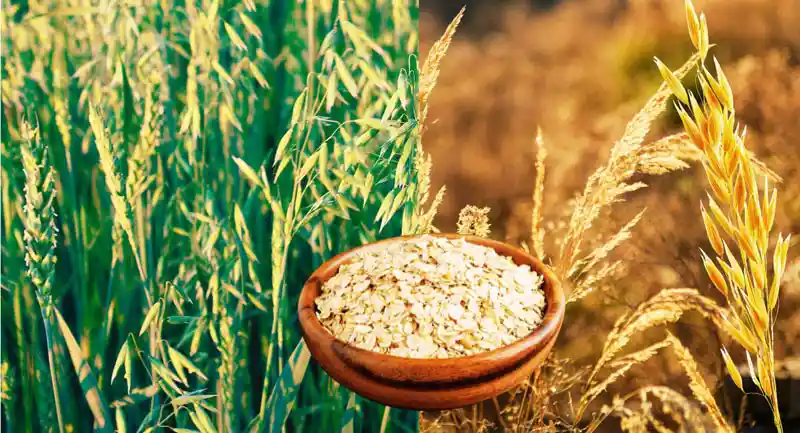
Oats (Avena sativa) are a nutrient-rich whole grain known for supporting heart health, improving digestion, and balancing blood sugar. Originating from ancient Europe and Asia, they are now cultivated and enjoyed worldwide as a versatile, healthy food.
Introduction
One of the most adaptable and nutrient-dense cereal grains in the world is oats (Avena sativa and allied species). They are used in breakfasts, baked items, snacks, animal feed, and skincare products because of their mild, nutty flavor and creamy texture when cooked. Beyond their culinary appeal, however, they are highly valued for their potent health advantages, especially with regard to heart, blood sugar, and digestive health. This is mostly because of the soluble fiber known as beta-glucan.
This article is a complete, easy-to-read guide to oats: where they come from, how they’re cultivated, their worldwide role, detailed medicinal and nutritional benefits, culinary uses and forms (rolled, steel-cut, instant), practical tips for buying and storing, environmental and economic aspects, and frequently asked questions.
What are oats? (Botanical basics)
It belongs to the genus Avena. The most commonly cultivated species for human food is Avena sativa. They are cool-season annual grasses. The edible part is the grain (the whole seed), often processed into different textures and shapes for cooking and baking.
Key forms of Avena sativa you’ll see in stores:
- Whole oat groats — the whole grain with only the husk removed.
- Steel-cut oats — groats chopped into pieces; chewy texture and long cooking time.
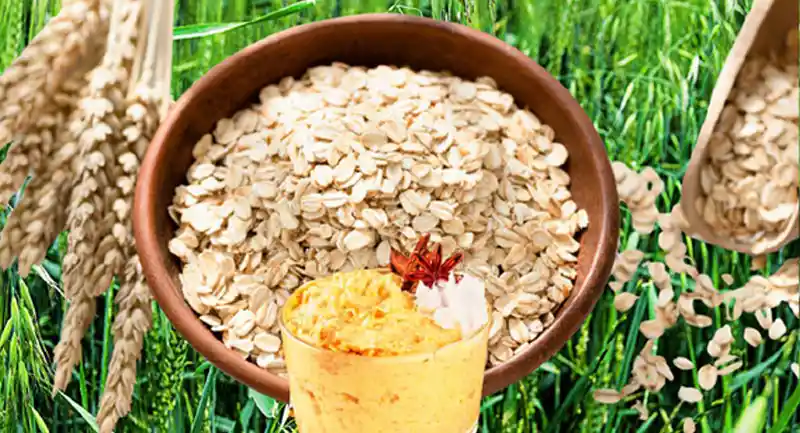
- Rolled (old-fashioned) oats — groats steamed and flattened; cook faster, soft texture.
- Quick / instant oats — rolled oats processed finer and pre-cooked; fastest to prepare.
- Oat flour — ground oats used for baking or thickening.
Origin and history
They evolved from wild grasses in temperate regions. Unlike wheat and barley, which were staple crops early in agriculture, they were initially considered a weed in ancient grain fields. Over centuries, farmers domesticated oats because they thrive in cooler climates and poorer soils where other cereals struggle.
Historical highlights (simple overview):
- They were used in prehistoric Europe but became a staple in northern Europe, Scotland, and parts of Russia because of their cold tolerance.
- In many cultures, they were historically animal feed and fodder; human consumption grew as processing methods improved.
With industrial milling and the popularization of breakfast cereals in the 19th and 20th centuries, It entered mainstream diets worldwide.
Types and varieties
There are several oat varieties adapted to different climates and uses:
- Avena sativa — primary food oat, adaptable and widely grown.
- Avena byzantina — sometimes grown in warmer zones.
Hulless oats — naturally loose husk that’s easier to remove.
Breeders also develop varieties for higher yield, disease resistance, or particular nutritional traits.
Cultivation: climate, soil, and farming practices
Climate and growing region
They are cool-season crops. They prefer temperate climates with:
- Moderate rainfall
- Cool growing temperatures (not extreme heat)
Because of this, they are commonly grown in northern latitudes and highlands.
Soil and nutrient needs
- It tolerate a range of soils but prefer well-drained loam or sandy loam.
- They can grow on poorer soils better than many other cereals, making them valuable in marginal lands.
- Soil pH moderately acidic to neutral is acceptable.
Planting and crop cycle
- Seeding time varies by region — often in early spring in colder areas or autumn (as a “cover” or winter crop) in milder climates.
- It grow quickly, developing a fibrous root system that helps reduce soil erosion.
- Typical stages: germination → tillering (stem development) → stem elongation → heading (flowering) → grain filling → maturity.
Weed, pest, and disease management
- They are somewhat competitive but still need weed management, especially early.
- Common issues: fungal diseases (rusts, smuts), aphids, and occasional fungal root problems.
- Crop rotation, resistant varieties, and timely agronomy help reduce chemical input needs.
Harvesting and processing
- It is harvested when the grains are mature and dry.
- Post-harvest, It requires de-hulling (removal of the inedible hull), cleaning, and then processing into the desired product (groats, rolled, steel-cut, flour).
Proper drying and storage are crucial to avoid spoilage.
Worldwide position and economic importance
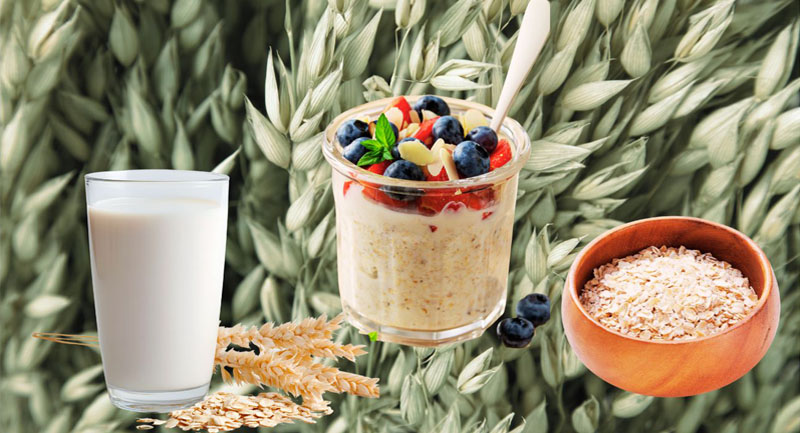
Oats occupy a unique niche:
- They are important food crops in cooler regions and a major forage crop globally.
- They are widely used as animal feed (especially for horses) and in human food industries (breakfast cereals, baked goods).
- Demand has grown with rising interest in heart-healthy foods, plant-based diets, and gluten-free alternatives (with caveats about contamination — more below).
Globally, it is not as dominant as wheat, rice, or maize in total volume, but they are economically significant in regions where the climate suits it. It contributes to diversified farming systems, soil health (as cover crops), and rural economies.
Nutritional profile (simple and practical)
They are nutrient-dense. A simple summary of why they’re considered healthy:
- Good source of complex carbohydrates and dietary fiber (notably beta-glucan).
- Provide plant protein with better amino acid balance than many other cereals.
- Contain healthy fats (minor amount), mostly unsaturated.
- Rich in vitamins and minerals, especially manganese, phosphorus, magnesium, iron, zinc, B-vitamins (like thiamine), and some vitamin E.
- Contain antioxidants unique to oats called avenanthramides, which have anti-inflammatory and anti-itch properties.
Because they are whole-grain when minimally processed, they offer steady energy and help with satiety.
Medicinal benefits and evidence-based uses
They have several well-supported health benefits. Below are the main medicinal and health-related effects, explained simply.
Lowers cholesterol and supports heart health
- The soluble fiber beta-glucan in oats forms a gel in the gut that helps reduce LDL (“bad”) cholesterol.
- Regular oat consumption is linked to reduced total and LDL cholesterol, which reduces heart disease risk.
- Practical: a common recommendation is around 3 grams of beta-glucan daily (roughly one bowl of oatmeal plus some oat-containing foods) for measurable benefits.
Helps control blood glucose
- They slow carbohydrate digestion and glucose absorption, helping to moderate post-meal blood sugar spikes.
- This makes oats beneficial in diets for type 2 diabetes prevention and management when combined with an overall healthy diet.
Supports healthy digestion and bowel regularity
- Both soluble and insoluble fiber in oats aid bowel function.
- They promote a healthy gut environment and can help reduce constipation when fluid intake is adequate.
Aids weight management and satiety
- They promote fullness due to fiber and complex carbs, which may help with portion control and weight maintenance.
Anti-inflammatory and antioxidant effects
- Oat-specific antioxidants, avenanthramides, have anti-inflammatory and vasodilating properties.
- These compounds may help reduce itch and irritation in topical applications and offer cardiovascular benefits.
Skin health — colloidal oatmeal
- Finely ground oats (colloidal oatmeal) are used in topical formulations for eczema, dry skin, and itching.
- Colloidal oatmeal soothes skin, acts as an emollient, and reduces inflammation — that’s why it’s an ingredient in many creams and bath products.
Immune and general metabolic benefits
- Some studies suggest it contribute to better overall metabolic profiles (blood lipids, insulin sensitivity) and might support a healthy immune response via gut health.
Safety and cautions
- Gluten and celiac disease: They are naturally gluten-free, but cross-contamination with wheat, barley, or rye during processing is common. Those with celiac disease should choose certified gluten-free oats.
- Allergies: Oat allergy is rare but possible.
Portion and balance: they healthy but should be part of an overall balanced diet.
Source and references : American Heart Association-Oatmeal and Heart Health
Processing and product types (what to look for in shops)
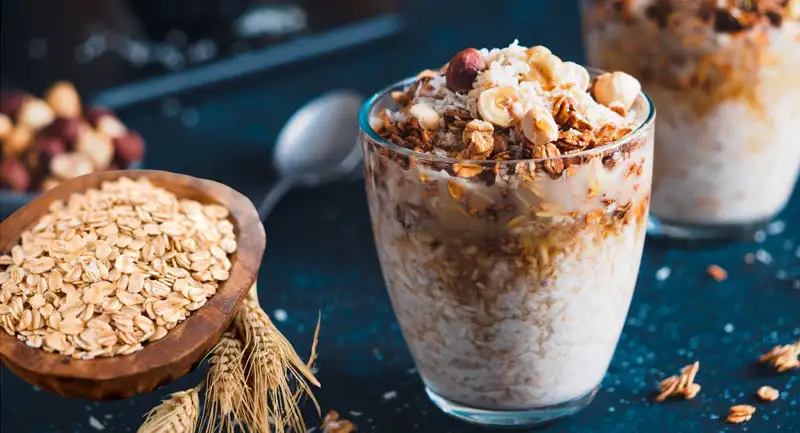
- Whole oat groats: least processed, longest shelf-life, best nutritive integrity.
- Steel-cut: minimal processing, chewy, good for slow-cook breakfasts.
- Rolled: versatile and cooks quickly.
- Instant: highly processed for speed-check for added sugar in flavored versions.
- Quick oats: in between rolled and instant.
- Oat flour: use in gluten-free baking (with gluten-free certification if needed).
- Oat bran: concentrated source of beta-glucan and fiber-excellent for baking or adding to smoothies.
When buying: prefer plain, minimally processed oats without added sugars or flavors. For celiac or gluten sensitivity, look for certified gluten-free labeling.
Oats in agriculture and sustainability
They have sustainability advantages:
- They grow well on marginal soils and in cooler climates where other cereals struggle.
- They can improve soil structure and reduce erosion when used as cover crops.
- They often require less fertilizer and lower pesticide input compared with some other cereals — especially when part of diversified crop rotations.
They are also used in regenerative farming practices for soil building and weed suppression. As a rotational crop, it can break pest and disease cycles and increase farm resilience.
Economic uses beyond food
- Animal feed: They are a valued feed grain for horses, dairy, and beef cattle; they provide energy and fiber.
- Industrial: Oat extracts appear in cosmetics and personal care for their soothing properties.
Seed industry: Oat varieties and breeding programs support seed businesses and research.
Buying, storage, and shelf life
Buying tips
- Choose whole or rolled oats for best nutrition.
- Check packaging dates and buy from reputable brands to avoid rancidity.
- For gluten-free needs, choose certified products.
Storage
- Store it in airtight containers in a cool, dry place.
- Whole oat groats and steel-cut oats last longer than rolled or instant oats.
For longer storage, keep in the refrigerator or freezer-especially in warm climates-to prevent rancidity.
Practical recipes (simple, healthy)
- Basic stovetop oatmeal
- 1 cup water + ½ cup rolled oats (adjust milk/water for creaminess). Simmer 5–7 mins. Top with banana and almonds.
- Overnight oats
- ½ cup rolled oats + ½ cup milk or yogurt + 1 tsp chia seeds + sweetener. Refrigerate overnight. Add fresh fruit.
- Oat energy bars
- Mix rolled oats, nut butter, honey, chopped nuts, and dried fruit. Press into pan, chill, and cut.
- Savory oat porridge
Cook steel-cut oats in broth, finish with sautéed mushrooms, spinach, and a poached egg.
Special diets
- Vegetarian/vegan: Excellent plant-based protein and fiber source.
- Gluten-free: Naturally gluten-free but contamination risk; choose certified products for celiac disease.
- Low glycemic eating: They fit well due to their complex carbs and beta-glucan content.
Allergies: Rare oat allergy exists; be cautious if you have unusual cereal sensitivities.
Myths and misconceptions
- Myth: “They are fattening.” Reality: They are calorie-containing but nutrient-dense and promote satiety; portion control matters.
- Myth: “Instant oats are bad.” Reality: Instant oats still offer fiber, but flavored instant varieties can have added sugars and additives-opt for plain instant oats if convenience is needed.
Myth: “All oats are gluten-free.” Reality: cross-contamination makes certification important for those with celiac disease.
Future trends and innovations
- Growth in oat milk and plant-based products is driving investment in oat processing.
- Breeding for higher beta-glucan or improved climate resilience is ongoing.
They are increasingly used in functional foods (fortified cereals, bars) and cosmetic applications.
Summary: Why include oats in your diet?
They are a practical, affordable whole grain with a broad range of health benefits, especially for heart and metabolic health. They are environmentally adaptable, useful across culinary styles, and valuable in both human and animal nutrition. From soothing dry skin to lowering cholesterol and stabilizing blood sugar, oat offer many simple, evidence-aligned uses.
Practical checklist: How to make the most of oats
- Choose minimally processed oats (rolled or steel-cut) for best nutrition.
- Aim for at least one serving of oats most days to gain beta-glucan benefits.
- Add protein (milk, yogurt, nuts) and healthy fats to oat meals to increase satiety.
- For skin issues, try products with colloidal oatmeal or a soothing oat bath.
If you’re gluten-sensitive, buy certified gluten-free.
FAQs (8 common questions)
- Are oats gluten-free?
Ii is naturally gluten-free, but cross-contact with wheat, barley, or rye can occur during growth or processing. If you have celiac disease or severe gluten sensitivity, choose certified gluten-free oats. - How much oats should I eat daily for health benefits?
A typical serving of it (about 40–50 grams or ½ cup rolled oats) daily contributes meaningful fiber and beta-glucan. For cholesterol-lowering effects, studies often use about 3 grams of beta-glucan daily, achievable with regular oat intake combined with other oat products. - Which is healthier: steel-cut or rolled oats?
Both are nutritious. Steel-cut oats are less processed and have a chewier texture, while rolled oats cook faster. Nutritionally they are similar; choose based on texture and cooking time. - Can oats help with weight loss?
It supports weight management by increasing fullness due to fiber and slow-digesting carbs. They are not a magic bullet – combine with a calorie-balanced diet and activity. - Are oats good for skin?
Yes. Colloidal oatmeal is commonly used in topical products to relieve itching, dryness, and minor inflammation. It’s gentle and well-tolerated. - Can I use oat flour instead of wheat flour?
Yes, It’s flour works well in many recipes, but it behaves differently because it lacks gluten. For bread, combine with other flours or binders; for pancakes, muffins, and quick breads, oat flour works very well. - Are instant oats unhealthy?
Plain instant it retain fiber and nutrients similar to rolled oats. The concern is flavored instant varieties with added sugars and flavors. Read labels and pick plain versions if possible.
8. How should I store oats?
Keep It in an airtight container in a cool, dry place. For long-term storage or warm climates, refrigeration or freezing helps extend shelf life.
Closing notes
They are a humble yet powerful grain. They bridge nutrition, culinary flexibility, agricultural resilience, and cosmetic usefulness. Whether you’re cooking a warm bowl of oatmeal, baking with oat flour, enjoying oat milk in your coffee, or choosing a gentle oat-based cream for sensitive skin, it have a role in modern, healthy living.
Medical & Affiliate Disclosure
This content is for informational purposes only and does not constitute medical advice. Always consult a qualified healthcare professional before using any herbal or natural remedies, as the results may depend on the specific area and individual. Some links in this article may be affiliate links, meaning we may earn a commission at no extra cost to you if you purchase them. It will help to improve the website.