Opium Poppy Seeds: The Ultimate Guide to Nutrition, Benefits, Risks & Uses
Opium poppy seeds (Papaver somniferum) are tiny, kidney-shaped seeds rich in calcium, iron, and healthy fats. They are widely used in cooking, traditional medicine, and skincare. While safe in moderation, they may contain trace alkaloids and should be consumed carefully. Poppy seeds support digestion, bone health, heart function, and overall wellness.
Introduction to Opium Poppy Seeds
Opium Poppy Seeds may look tiny and harmless, but their history stretches back thousands of years. Derived from the Papaver somniferum plant, these seeds have held cultural, spiritual, and medicinal importance across civilizations. Ancient Greeks, Indians, and Egyptians valued them for their symbolic meaning and therapeutic benefits. In Ayurveda, they were used as a natural relaxant and nutritional aid, while in Greek traditions they symbolized fertility and abundance.
Clarifying the Misconception
Despite being linked to the opium poppy, poppy seeds themselves do not produce a “high.” They may contain trace amounts of alkaloids due to their origin, but once washed and processed, these levels are negligible. This makes them safe and widely accepted as a food ingredient across the globe.
Modern-Day Uses
Today, they are sprinkled on breads, blended into curries, pressed into oils, and used as a soothing remedy in traditional medicine. They provide a nutty crunch in baked goods, a creamy texture in sauces, and a powerhouse of nutrients for the body. But as with all natural products, balance is key. Overconsumption or contaminated seeds can pose risks, making it essential to understand their benefits and limitations before including them in your daily diet.
Medical & Affiliate Disclosure
This content is for informational purposes only and does not constitute medical advice. Always consult a qualified healthcare professional before using any herbal or natural remedies, as the results may depend on the specific area and individual. Some links in this article may be affiliate links, meaning we may earn a commission at no extra cost to you if you purchase them. It will help to improve the website.
Origin and Cultivation of Opium Poppy Seeds
The Papaver somniferum plant, native to the Mediterranean, is now grown in countries like Turkey, India, Afghanistan, the Czech Republic, and Australia. It thrives in temperate climates with well-drained soil. While the seeds are safe to eat, the same plant also produces opium latex, making cultivation closely regulated.
Traditionally harvested by hand, poppies are now farmed with modern methods that improve yield and safety. Because of their dual role as a food source and narcotic plant, opium poppies remain one of the most strictly monitored crops worldwide.
What are Opium Poppy Seeds?
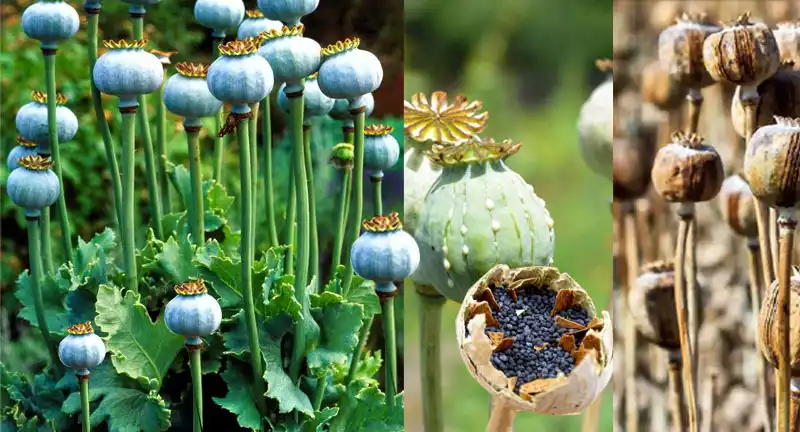
Opium poppy seeds come from the Papaver somniferum plant, a flowering species that grows widely across Europe, Asia, and the Middle East. The plant is most famous for producing opium latex used in pain-relieving drugs like morphine and codeine. However, its seeds tell a different story—they are completely safe when harvested, washed, and consumed in moderate amounts.
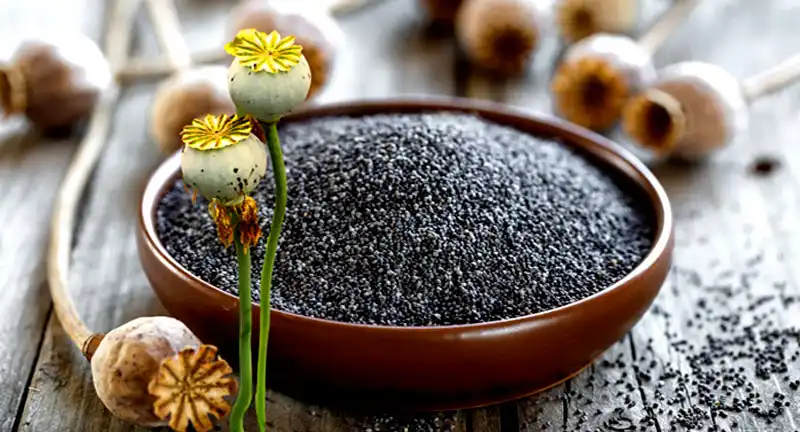
Visually, Opium Poppy Seeds are tiny, kidney-shaped, and usually blue-gray or white depending on the variety. Blue seeds are more common in Europe and North America, often found on bagels and muffins, while white seeds are used extensively in Indian, Persian, and Turkish cuisines. They have a mild, nutty flavor that intensifies when roasted or ground.
Nutritional Value of Opium Poppy Seeds
Opium Poppy Seeds seeds may be small, but they pack a punch when it comes to nutrition. A single tablespoon provides essential nutrients that support overall health.
- Calories: Around 50 per tablespoon
- Protein:6 grams
- Fat: 4 grams (mostly healthy fats)
- Carbohydrates:5 grams
- Fiber:7 grams
They are also rich in:
- Calcium – essential for strong bones and teeth
- Iron – crucial for oxygen transport in the blood
- Magnesium – supports muscle and nerve function
- Zinc – aids immune health
- B-complex vitamins – especially thiamin and riboflavin
Because of this nutrient density, poppy seeds are often called a “superfood” in traditional medicine. Unlike processed supplements, they deliver nutrition in a natural, bioavailable form, making them easier for the body to absorb.
Health Benefits of Opium Poppy Seeds
Rich in Essential Nutrients
Opium Poppy Seeds are a treasure chest of nutrients. Their calcium and phosphorus content supports bone health, while the iron helps prevent anemia. The presence of magnesium makes them excellent for nerve function and muscle relaxation. Unlike other seeds, poppy seeds also contain manganese, a mineral that plays a key role in enzyme function and metabolism.
Regular consumption in moderate amounts can contribute to:
- Stronger bones and teeth
- Increased energy levels
- Improved metabolism
- Better immune function
Boosts Bone Health
If you’re looking for a natural way to strengthen your bones, poppy seeds are an excellent choice. Their high calcium levels work hand-in-hand with phosphorus and magnesium to maintain bone density. This makes them especially beneficial for women, who are more prone to osteoporosis. A spoonful of poppy seeds added to smoothies, milk, or curries can be a simple daily dose of bone strength.
Supports Heart and Circulatory Health
The healthy fats in Opium Poppy Seeds-particularly omega-3 fatty acids—help regulate cholesterol levels and improve circulation. They can reduce the risk of clogged arteries and support overall cardiovascular wellness. Studies suggest that diets rich in polyunsaturated fats, like those in poppy seeds, may lower the risk of heart disease and stroke.
Improves Digestion
A great source of dietary fiber that helps control bowel movements and avoid constipation is poppy seeds. In traditional medicine, they are also used to soothe irritation in the digestive tract. For people struggling with bloating or sluggish digestion, a light poppy seed paste added to meals can act as a gentle natural remedy.
Enhances Skin and Hair Health
Poppy seeds are not just for eating—they can be used externally for beauty care. Ground poppy seeds mixed with milk or honey make an effective face mask that hydrates and brightens skin. Their antioxidant properties help combat free radicals, reducing signs of aging. For hair, poppy seed oil nourishes the scalp, strengthens roots, and promotes healthy growth.
Role in Relaxation and Sleep
Traditionally, poppy seeds have been used as a natural relaxant. Their magnesium content helps calm the nervous system, reducing stress and promoting better sleep. In Ayurveda, warm milk with ground poppy seeds is a time-tested bedtime drink that induces relaxation and supports deep, restful sleep.
Culinary Uses of Poppy Seeds
In the kitchen, poppies glow. Across civilizations, they are utilized in both savory and sweet recipes.
Poppy Seeds in Baking
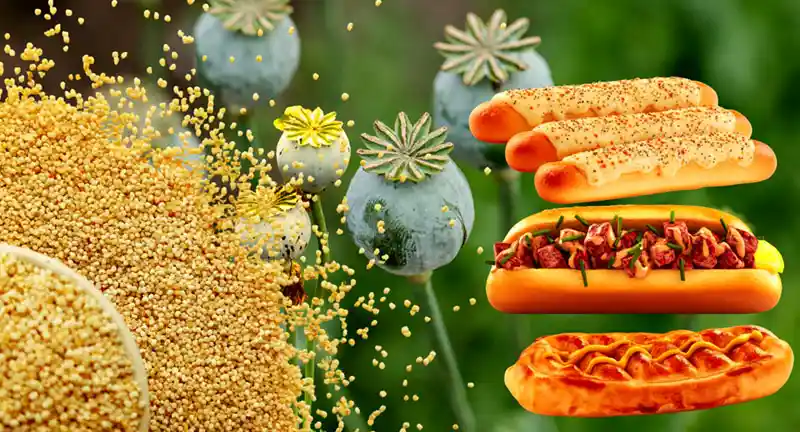
In European and American cuisine, poppy seeds are a favorite topping for breads, bagels, and muffins. Their crunchy texture and nutty taste add both flavor and visual appeal. Poppy seed fillings are also popular in pastries like strudels and rolls, especially in Eastern European traditions.
Traditional Dishes Across Cultures
- India: White poppy seeds (known as khus khus) are ground into rich gravies, chutneys, and spice blends. They add creaminess and thickness to curries without relying on dairy.
- Middle East: Poppy seeds are sprinkled over flatbreads and incorporated into desserts like halva.
Europe: Particularly in Central and Eastern Europe, ground poppy seed paste is a staple in cakes and other confections.
Poppy Seed Oil
Pressed from the seeds, poppy seed oil is light, nutty, and versatile. It is used in salad dressings, as a cooking oil, and even in natural skincare products. Rich in vitamin E and omega fatty acids, it supports both internal health and external beauty.
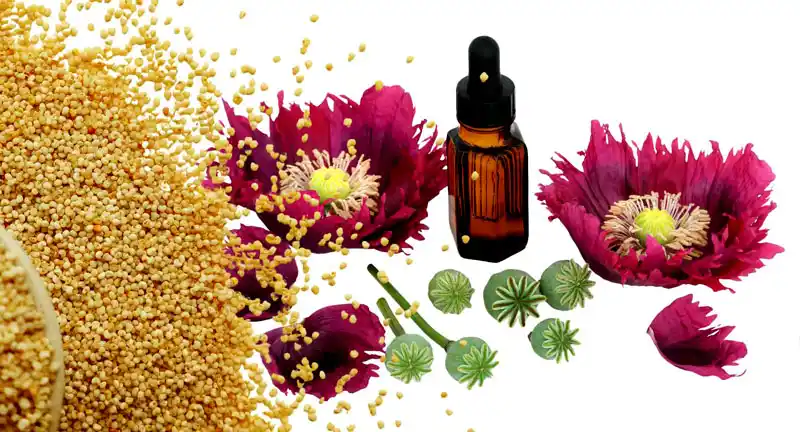
Spiritual and Traditional Uses
Poppy seeds are not only valued for food and medicine—they hold deep spiritual meaning in many traditions.
Poppy Seeds in Ayurveda
In Ayurveda, poppy seeds are considered cooling and nourishing. They are used to balance excess pitta (heat) in the body, making them ideal for soothing inflammation and calming the mind.
Role in Unani Medicine
Unani practitioners have long used poppy seeds to treat insomnia, digestive troubles, and nervous system imbalances. Their sedative-like effect in natural form makes them useful in calming stress and promoting rest.
Symbolism in Ancient Rituals
In Greek and Roman times, poppies symbolized fertility, abundance, and eternal sleep. Seeds were offered to gods and used in ceremonies to invoke peace and prosperity. Even today, poppy flowers and seeds remain a symbol of remembrance and sacrifice in many cultures.
Risks and Side Effects
While poppy seeds are largely safe, there are a few things to be cautious about.
Opium Alkaloid Traces in Seeds
Since poppy seeds come from the opium plant, they can sometimes carry trace amounts of morphine or codeine. However, these are usually negligible and reduced further by washing and baking.
Risk of False-Positive Drug Tests
One of the most surprising risks is failing a drug test after consuming large amounts of poppy seeds. Even though they don’t cause intoxication, the trace alkaloids can show up in urine tests. This has led to many controversies, especially for athletes and employees under strict testing.
Overconsumption Risks
Eating too many poppy seeds can cause nausea, drowsiness, or slowed breathing. These side effects are extremely rare but highlight the importance of moderation.
Who Should Avoid Them
Pregnant and breastfeeding women are generally advised to limit or avoid poppy seeds due to their alkaloid content. Similarly, anyone with allergies to seeds or nuts should exercise caution.
Safe Consumption Guidelines
To enjoy the benefits of poppy seeds without risks, it’s important to follow safe practices:
- Recommended Intake: Most experts suggest 1–2 tablespoons per day is safe for adults.
- Preparation: Always wash poppy seeds before use to remove surface alkaloids.
- Cooking: Baking or boiling further reduces any residual alkaloids, making them safer.
- Moderation: Avoid consuming very large amounts at once, especially before drug tests.
When consumed safely, poppy seeds can be a flavorful, nutritious, and healing part of your diet.
Source and references:European Food Safety Authority (EFSA) – Morphine in Poppy Seeds
Buying and Storing Poppy Seeds
If you want to get the most out of poppy seeds, choosing high-quality ones is crucial. Since they come from the opium poppy plant, adulteration and contamination can sometimes be a problem. Here’s how to make sure you’re buying the best:
How to Identify Authentic Poppy Seeds
- Color and texture: Blue poppy seeds should look dark gray-blue, while white poppy seeds are ivory to pale yellow. If the seeds appear dull, clumpy, or have an unusual odor, they may be old or adulterated.
Smell: The scent of fresh poppy seeds is somewhat nutty. They have gone bad if they smell bitter or rancid.
- Source: Purchase from trusted stores or certified organic suppliers, as they are less likely to carry contaminated seeds.
Storage Tips for Freshness
Poppy seeds contain healthy oils that can go rancid quickly if not stored properly. To extend shelf life:
- Store seeds in an airtight glass jar away from light, heat, and moisture.
- Keep them in a cool, dark place like a pantry or refrigerator.
- If you buy them in bulk, consider freezing a portion to preserve freshness.
When stored correctly, poppies can survive anywhere from six to twelve months. Fresh seeds always taste better and offer more health benefits than stale ones.
Comparison with Other Seeds
Poppy seeds are often compared to other tiny seeds like chia, sesame, and flax. While all are nutritious, each has its own strengths.
Seed Type | Key Benefits | Nutritional Highlights | Best For |
Poppy Seeds | Rich in calcium, iron, and antioxidants | Supports bones, digestion, relaxation | Baking, curries, skin & hair health |
Chia Seeds | High in omega-3 and fiber | Energy booster, weight loss, hydration | Smoothies, puddings, healthy drinks |
Sesame Seeds | Strong source of zinc and vitamin E | Improves skin, boosts immunity, supports hormones | Asian dishes, tahini, snacks |
Flax Seeds | Rich in lignans and ALA (omega-3) | Balances hormones, supports heart, reduces inflammation | Smoothies, oatmeal, baked goods |
While chia and flax are more popular in modern health trends, poppy seeds remain unique for their mineral content, culinary versatility, and calming effects. Adding a mix of different seeds to your diet is the best way to maximize nutrition.
FAQs About Poppy Seeds
1. Are poppy seeds legal everywhere?
Yes, The majority of nations, including the US, UK, India, and Europe, permit the use of poppy seeds in cooking. However, because of their connection to opium, some Middle Eastern nations restrict or even forbid them. Before traveling with them, always be sure to verify local rules.
2. Can eating poppy seeds make you high?
No, poppy seeds themselves cannot make you high. They contain only trace amounts of opium alkaloids, which are not enough to cause intoxication when consumed normally.
3. Can poppy seeds make you fail a drug test?
Yes, large amounts of unwashed poppy seeds can cause a false-positive drug test result for opiates. Even a poppy seed bagel has been known to trigger a temporary positive reading. To be safe, avoid eating them right before scheduled drug tests.
4. Do poppy seeds help with sleep?
Yes, poppy seeds are rich in magnesium, which calms the nervous system and promotes better sleep. A traditional bedtime treatment for insomnia, in Ayurveda involves mixing warm milk with powdered poppy seeds.
5. Are poppy seeds safe for children and pregnant women?
In small culinary amounts, they are generally safe. However, because they can contain trace alkaloids, pregnant women and young children should consume them only under medical guidance.
Conclusion
Opium poppy seeds, despite their small size, have several advantages. They are a real superfood, strengthening bones, boosting digestion, improving complexion, and encouraging relaxation. They have been treasured for thousands of years in medicine closets and kitchens throughout nations.
But balance is essential, just like with any natural substance. In moderation, they are harmless and nutrient-dense, but excessive ingestion or tainted seeds might lead to issues. You may maximize the potential of seeds by selecting high-quality seeds, correctly cooking them, and consuming them in moderation.
Whether sprinkled on bread, ground into curry, or used in skincare, poppy seeds are a versatile ingredient that bridges the gap between food, medicine, and tradition. By including them wisely in your daily routine, you not only add flavor and texture to your meals but also support your body’s overall health and balance.