

Effective Remedies for Diabetes: Comprehensive Guide
The Rise of Diabetes: A Modern Health Crisis
Diabetes is one of the most common long-term health conditions in the world, and many people search for safe remedies for diabetes that work alongside their treatment. This guide explains what diabetes is, what raises the risk, and which food, activity and herbal remedies for diabetes people use, with a clear note on what research does and does not show.
Medical note: This article is general information, not medical advice. Natural remedies for diabetes should support, never replace, the medicines or insulin your doctor prescribed. Do not reduce or stop any medicine without your doctor’s advice.
No single cause explains diabetes. Family history, age, body weight, low physical activity and food choices all play a part. Weight, activity and food are the factors you can change, which is why lifestyle sits at the centre of every plan.
Diabetes Statistics: A Growing Epidemic
The International Diabetes Federation (IDF) estimates that about 589 million adults aged 20 to 79 were living with diabetes in 2024, roughly 1 in 9 adults. By 2050 the number is projected to reach 853 million, an increase of 46%.
- Over 4 in 10 people with diabetes do not know they have it.
- More than 9 in 10 cases are type 2 diabetes.
- India is home to about 1 in 7 of all adults with diabetes, around 89.8 million people in 2024.
Growing cities, an ageing population, less physical activity and more overweight and obesity are the main reasons type 2 diabetes keeps rising. These are also the areas where daily habits and simple remedies for diabetes, such as regular walking and better food choices, make the biggest difference.
Sources: IDF facts and figures · IDF Diabetes Atlas 11th edition press release · India figures, Medical Dialogues
What is Diabetes and How Does It Affect the Body?
Diabetes occurs when blood sugar (glucose) stays too high because the body does not make enough insulin or cannot use it well. It is a long-term condition that can be managed with medicine, food and physical activity. Glucose comes from the carbohydrates in food and drink and is the body’s main source of energy.
Understanding Insulin and Glucose
After a meal, glucose enters the bloodstream. Insulin, a hormone made by the pancreas, helps move that glucose into your cells to be used for energy. If the pancreas makes too little insulin, or the cells respond poorly to it (insulin resistance), glucose builds up in the blood. High blood sugar is called hyperglycemia.
Blood sugar that falls too low is called hypoglycemia. It can be dangerous, especially in people who take diabetes medicine or insulin, and it matters later in this guide when we talk about herbs.
Types of Diabetes: Causes and Characteristics
There are three main types. Knowing which one you have matters, because your treatment, and any remedies for diabetes you add alongside it, depend on the type.
Type 1 diabetes is an autoimmune condition in which the immune system destroys the insulin-producing cells of the pancreas. It makes up roughly 5 to 10% of cases, is often diagnosed in children and young adults, and always needs insulin treatment.
Type 2 diabetes is the most common type. The body either does not make enough insulin or its cells resist it. It usually appears in adults, but children can develop it too. Body weight, low activity and family history all raise the risk.
Gestational diabetes develops during pregnancy and usually goes away after delivery. It does raise the risk of type 2 diabetes later in life, so regular check-ups are advised.
Common Symptoms of Diabetes: Early Warning Signs
Symptoms depend on how high your blood sugar is. Many people with prediabetes or type 2 diabetes have no symptoms at first, which is why testing matters. Type 1 symptoms usually begin quickly and get worse fast.
- Increased thirst and a dry mouth
- Passing urine more often than usual
- Unexplained weight loss
- Feeling tired and weak
- Blurred vision
- Mood changes or irritability
- Frequent infections of the skin, gums or genital area
- Cuts and sores that heal slowly
- Ketones in the urine, mainly in type 1 diabetes, which needs urgent medical care
If you notice these signs, get your blood sugar tested before you try any remedies for diabetes at home. Early diagnosis protects your eyes, kidneys, nerves and heart.
Long-term Effects of Diabetes: Potential Health Risks
Over time, high blood glucose can damage large and small blood vessels and the nerves. Possible complications include heart attack, stroke, kidney disease, eye problems that can lead to vision loss, nerve damage, foot problems and gum disease.
Keeping blood sugar, blood pressure and cholesterol in a healthy range lowers these risks. This is why lasting habits and safe remedies for diabetes matter more than any quick fix.
Lifestyle Changes to Manage and Reverse Diabetes
Food, movement and body weight have the strongest evidence of any remedies for diabetes. Medicine works best when these habits support it.
- Move most days. Aim for about 150 minutes a week of moderate activity, such as brisk walking, cycling or yoga, spread over most days. A short walk after meals also helps.
- Work toward a healthy weight. Even modest weight loss improves blood sugar. Some people with type 2 diabetes reach remission after major weight loss, but this should be done under medical supervision and does not suit everyone. Type 1 diabetes always needs insulin.
- Sleep well and manage stress. Poor sleep and long-term stress can raise blood sugar.
- Stop smoking and limit alcohol. Both raise the risk of complications.
- Check your blood sugar as your doctor advises and keep your follow-up appointments.

Healthy Eating Habits for Diabetics
A good diabetes plate does not mean cutting out all carbohydrates. It means choosing slower-digesting ones and watching the portion size.
- Fill half of your plate with vegetables and leafy greens.
- Choose whole grains, millets, pulses and beans instead of refined flour and polished rice, in measured portions.
- Include protein such as eggs, fish, lentils, paneer or lean meat.
- Eat fish rich in omega-3 about twice a week.
- Limit sugary drinks, sweets, bakery items and fried snacks.
- Eat at regular times and chew slowly, which helps you notice when you are full. Have a lighter dinner two to three hours before bed.
- Drink plain water through the day instead of sweet drinks.
If you take diabetes medicine or insulin, do not skip meals or make big changes to your eating pattern without asking your doctor, because this can cause low blood sugar.
Traditional foods such as amla are often added to a healthy diet, and you can read more in our guide to amla powder benefits. Food is among the most practical remedies for diabetes, and small changes you can keep for years work better than strict plans you drop after a month.
Natural Remedies for Diabetes: Herbal and Dietary Solutions
If you can’t, it’s okay. There are many herbal remedies for diabetics to keep their blood sugar levels right. Let’s have a look at them. Also, there are plenty of medicines available in the market for this disease, buy them and use them to improve your life
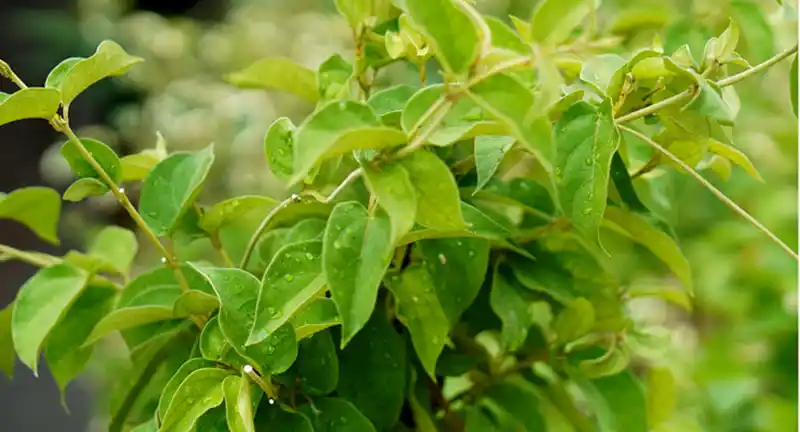
Sirukurinjan, (Gymnema Sylvestre, Sweet Killer)
Sirukurinjan is also called gurmar, a name meaning “sugar destroyer”, and it has been used for centuries in Ayurvedic and Siddha traditions. Chewing a leaf makes sugar taste less sweet for a short time, which is where the name comes from.
That taste effect does not prove the herb lowers blood sugar. Some human and animal studies suggest gymnema can reduce blood glucose, but other research found no effect on fasting glucose in people with prediabetes, and reviewers still call the evidence insufficient. Taken together with diabetes medicine it may push blood sugar too low, so it is one of the remedies for diabetes that needs the closest medical supervision.
Traditional preparation is a few fresh leaves, or leaf powder, simmered in water as a tea. Strength and quality vary widely between leaves and products, so ask your doctor or a qualified Ayurveda or Siddha practitioner which form and amount suit you. Never stop or lower your tablets or insulin because you are drinking it.
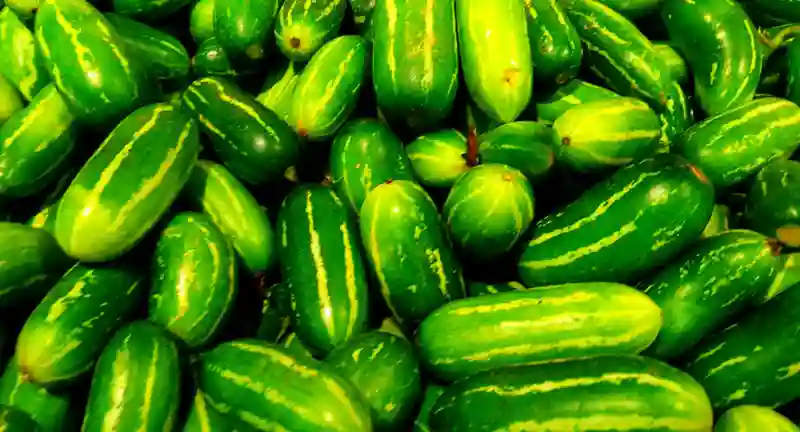
Scarlet Gourds: Benefits and Usage
Scarlet gourd, also called ivy gourd or kovakkai, is a common vegetable in South Indian cooking. It is low in calories, adds fibre to a meal, and has long been used in traditional remedies for diabetes. Human trials are limited, so treat it as a healthy food, not a treatment.
Buy fresh gourds, wash them and cook them as a stir-fry, curry or sambar with little salt and oil. Keep them in the fridge, not out in the heat. Eating them a few times a week as part of a balanced diet is a sensible habit. Some people drink a gourd decoction, but there is no reliable evidence for any particular amount, so the cooked vegetable is the safer choice.
Source and references : NCBI / NIH-Diabetes and Herbal (Botanical) Medicine
Website: CDC-Managing Blood Sugar : For evidence-based guidance on managing blood sugar, healthy eating, physical activity, and diabetes care, see the CDC’s diabetes guidance.
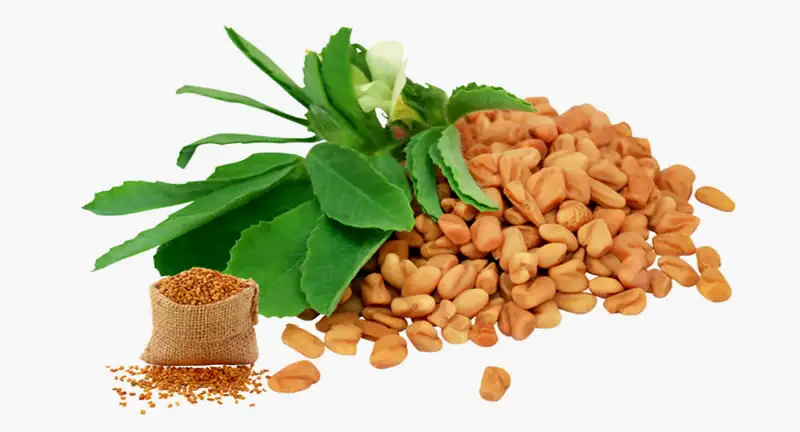
Fenugreek Seeds: How They Help Control Blood Sugar
Fenugreek (methi) seeds are rich in soluble fibre, which slows how fast sugar enters the blood. A 2023 review of randomized trials found that fenugreek may lower fasting blood sugar and improve glucose tolerance in some people, but the studies were of mixed quality and used different doses. The reviewers asked for better trials before it can be recommended as a diabetes control herb.
A common home practice is to soak one teaspoon of seeds in water overnight and drink the water in the morning. This is traditional use, not a medical dose, so start small and tell your doctor. Fenugreek can cause gas, diarrhoea and allergic reactions, it can add to the effect of diabetes medicine and blood thinners, and it should be avoided in pregnancy.
Sources: Fenugreek and hyperglycemia, systematic review (Medicina, 2023) · Diabetes and Herbal (Botanical) Medicine, NCBI · Gymnema entry, Natural Medicines database · Gymnema herbal monograph, Egyptian Drug Authority · Herbal side effects and interactions table, PMC
Medical & Affiliate Disclosure
This content is for informational purposes only and does not constitute medical advice. Always consult a qualified healthcare professional before using any herbal or natural remedies, as the results may depend on the specific area and individual. Some links in this article may be affiliate links, meaning we may earn a commission at no extra cost to you if you purchase them. It will help to improve the website.
Herbs that lower blood sugar can add to the effect of your medicine and cause blood sugar to drop too low. Keep these rules in mind.
- Talk to your doctor or pharmacist first, especially if you take insulin or tablets such as glimepiride, gliclazide or metformin.
- Never stop or reduce your medicine or insulin on your own because your sugar looks better. Only your doctor should change a dose, with regular blood tests.
- Know the signs of low blood sugar: sweating, shaking, hunger, dizziness, confusion and a fast heartbeat. Take fast-acting sugar such as glucose tablets or fruit juice and get medical help if you do not recover quickly.
- Avoid herbs in pregnancy and breastfeeding, in children, and with kidney or liver disease, unless your doctor approves.
- Stop the herb and call your doctor if you develop vomiting, diarrhoea, a rash or any unusual symptom.
- Be wary of miracle claims. Be careful with any product or video that promises to cure diabetes or says you can stop insulin. Real remedies for diabetes support your treatment, they do not replace it.
- Keep testing your blood sugar and HbA1c as your doctor advises, so you can see what is really working.
Get urgent medical help if you have vomiting, stomach pain, fast breathing, a fruity smell on the breath or unusual drowsiness, as these can signal a dangerous complication.
Final Thoughts
Diabetes needs steady attention to healthy eating, regular physical activity, a healthy weight and proper medical care. Traditional herbs such as fenugreek and Gymnema sylvestre have been studied for possible effects on blood sugar, and you can discuss them with your doctor as supportive remedies for diabetes.
Herbs should never replace prescribed medicine or insulin. Their effects vary from person to person, and some interact with diabetes medicine. Always consult your healthcare professional before starting a herbal supplement or changing your treatment.
Sources: Diabetes and Herbal (Botanical) Medicine, NCBI · CDC diabetes treatment guidance · IDF Diabetes Atlas facts and figures
Frequently Asked Questions About Remedies for Diabetes
1. What are some natural remedies for diabetes?
Healthy eating, regular physical activity, a healthy weight and less processed food are the best-supported options for blood sugar control. Some herbs, such as fenugreek and Gymnema sylvestre, have also been studied, but they should not replace prescribed treatment.
2. Can remedies for diabetes replace diabetes medicine?
No. Natural or herbal treatments should not be used in place of prescribed diabetes medicine or insulin. Anyone considering an herbal supplement should first discuss it with a qualified healthcare professional.
3. Can lifestyle changes help manage diabetes?
Yes. Healthy eating, regular activity, a healthy weight, enough sleep and following your treatment plan all contribute to better diabetes management.
4. Is Gymnema sylvestre helpful for diabetes?
Gymnema sylvestre is a traditional herb that has been studied for its possible effect on blood glucose, but the evidence is limited and mixed. It does not replace standard treatment, and people taking diabetes medicine should speak to a healthcare professional before using it.
5. Can fenugreek help with blood sugar?
Fenugreek has been investigated for possible effects on blood glucose, but the evidence is not strong enough to call it a stand-alone treatment. It can also add to the effect of diabetes medicine.
6. Can diabetes be reversed naturally?
Some people with type 2 diabetes reach remission through major lifestyle change and weight loss, but this does not mean everyone can reverse diabetes naturally. Type 1 diabetes always needs insulin. Any change to treatment should be made with a healthcare professional.
7. Should I stop my diabetes medicine if my blood sugar improves?
No. Do not stop or reduce your medicine or insulin without medical guidance. Your doctor can decide, using your test results, whether any adjustment is appropriate.
8. When should someone with diabetes see a doctor?
People with diabetes need regular medical follow-up. Seek advice sooner if blood sugar stays outside your target range, symptoms get worse, or you are thinking of changing your medicine, diet or herbal supplements.